
Plants
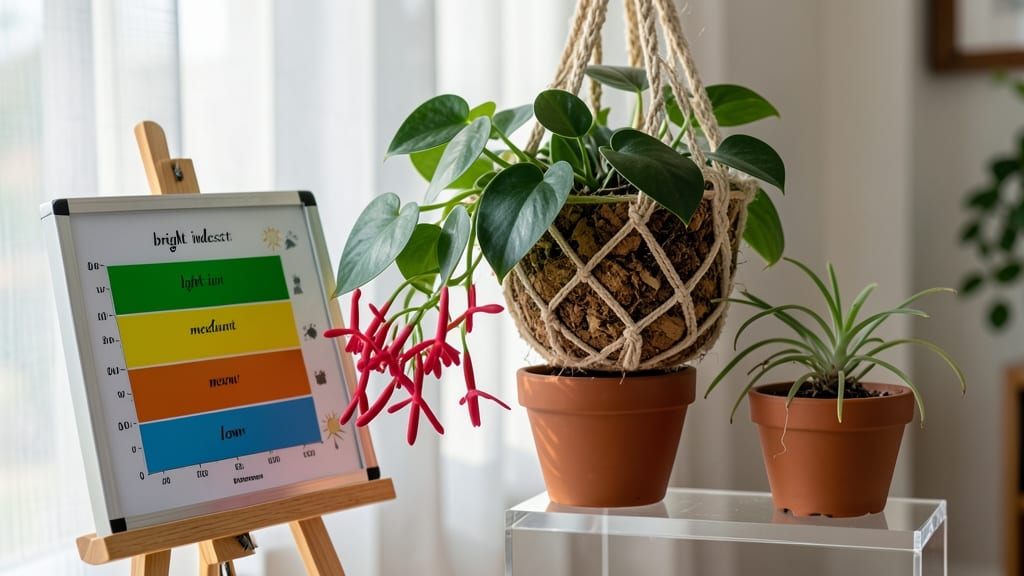
Ideal light requirements for lipstick plants: bright indirect sunlight explained
The lipstick plant (Aeschynanthus radicans) thrives in bright indirect sunlight, making it perfect for indoor gardening near windows. Unlike sun-loving plants, it avoids harsh rays that cause leaf scorch. Think of it like a shade-loving tropical—it needs plenty of light but not direct exposure.
Outdoors, position your lipstick plant under dappled shade or in partial sunlight (morning sun is gentler than afternoon). In containers, rotate the pot every few weeks to ensure even light distribution and prevent lopsided growth.
Indoors, the best spots are east or west-facing windows, where sunlight is softer. South-facing windows can work, but use a sheer curtain to diffuse intensity. Avoid north-facing windows—they’re too dim for optimal growth.
Seasonal adjustments matter! During summer months, reduce direct sun exposure to prevent leaf burn. In winter, supplement with grow lights if natural light fades.
| Requirement | Specification |
|---|---|
| Light Type | Bright indirect sunlight |
| Daily Hours | 4-6 hours |
| Best Windows | East/West-facing |
| Distance from Window | 2-3 feet |
| Outdoor Placement | Dappled shade or partial sun |
| Summer Adjustment | Filter direct sun with sheer curtains |
| Winter Supplement | Grow lights for 6-8 hours/day |
Monitor your plant’s foliage color to gauge light success. Healthy leaves stay rich green with occasional reddish-pink blooms. If leaves turn pale or stems stretch, it’s craving more light. Conversely, crispy edges or brown spots signal too much sun.
For container gardening, ensure pots have drainage holes to prevent root rot from overwatering—especially in low-light conditions where soil stays moist longer. Terracotta pots help regulate moisture better than plastic.
Pro tip: Use a light meter (or phone app) to measure 1,000–2,000 foot-candles of light—ideal for lipstick plants. If readings drop below 1,000, supplement with artificial light immediately.
Outdoor growers in USDA Zone 6 can enjoy lipstick plants in partial shade gardens, pairing them with hostas or ferns. Just avoid full sun spots where temperatures exceed 85°F, as this stresses the plant.
Remember, consistency is key. Sudden changes in light can shock your lipstick plant, causing leaf drop or stunted growth. Gradually acclimate it to new light conditions over 1-2 weeks.
Ideal light requirements for lipstick plants: bright indirect sunlight explained
The lipstick plant (Aeschynanthus radicans) thrives in bright indirect sunlight, making it perfect for east or west-facing windows. This tropical beauty mimics its natural understory habitat, where dappled light filters through tree canopies.
Without the right light, your plant may struggle to produce its signature red tubular flowers or maintain vibrant foliage.
Direct sunlight can cause leaf scorch, turning edges crispy and brown, while low light leads to leggy growth and pale leaves. The key is finding that sweet spot—4-6 hours of filtered light daily—to keep your plant lush and blooming.
Let’s break down exactly what your lipstick plant needs to flourish.
| Light Condition | Ideal Scenario | Signs of Stress |
|---|---|---|
| Bright Indirect Light | 4-6 hours daily; east/west windows | Healthy green leaves, frequent blooms |
| Direct Sunlight | Avoid after 10 AM or before 4 PM | Brown leaf tips, yellow patches |
| Low Light | North-facing windows or shaded rooms | Leggy stems, sparse leaves, no flowers |
For outdoor cultivation in warmer climates (USDA zones 10-12), your lipstick plant can handle morning sun with afternoon shade. In cooler zones, treat it as a houseplant year-round, as it’s sensitive to temperatures below 50°F.
Rotate your pot every few weeks to ensure even light exposure, preventing one-sided growth.
Seasonal adjustments are crucial. During summer months, move your plant slightly away from windows to avoid overheating. In winter, supplement natural light with a grow bulb if days grow short. The goal is consistency—bright but diffused light keeps your lipstick plant happy and blooming.
Pro tip: Use a light meter app to measure foot-candles (ideal range: 500-1,000 fc). If your space falls short, artificial lighting becomes your best friend. We’ll dive deeper into grow light solutions in the next section, but for now, prioritize that east-facing windowsill!
Remember, every plant is unique. If your lipstick plant starts showing stress signs, don’t panic—adjustments are easy with the right knowledge. Watch for color changes or growth patterns, and you’ll quickly spot when it’s time to tweak its light exposure.