
Plants
Ideal light requirements for Hoya plants: bright indirect sun explained
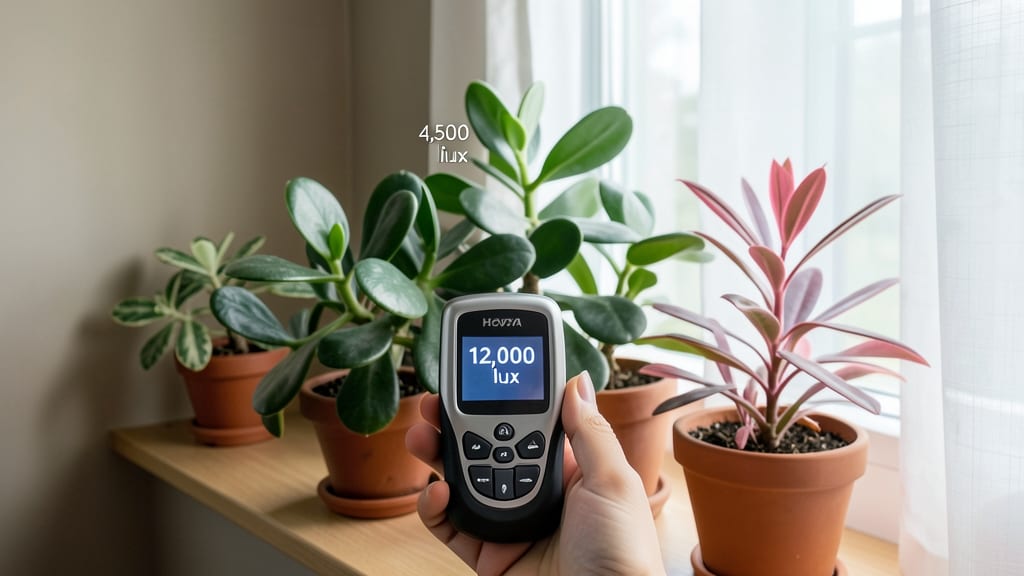
Hoya plants thrive in bright indirect light, making them perfect for homes with east or north-facing windows. These tropical vines need 4-6 hours of filtered sunlight daily to maintain their lush foliage and encourage blooming.
Too little light leads to leggy growth, while too much causes leaf scorch—balancing this is key to their success.
Think of bright indirect light as sunlight passing through a sheer curtain. Direct sun through a south-facing window can be too intense, especially during peak afternoon hours (12 PM–4 PM). Instead, position your Hoya where it gets morning sun or dappled shade outdoors.
Hoyas are adaptable but struggle in low-light conditions, like dim corners or bathrooms. Signs of insufficient light include pale, sparse leaves and stretched stems reaching for light. If your plant looks "spaghetti-like," it’s time to move it closer to a brighter spot or supplement with grow lights.
Outdoors, Hoyas love partial shade under trees or on porches with afternoon shade. They can handle 3-4 hours of direct sun in cooler climates (USDA zones 9–11), but avoid harsh midday rays in hotter areas. Always introduce outdoor Hoyas to new light conditions gradually to prevent shock.
| Light Condition | Ideal For | Signs of Stress | Adjustments |
|---|---|---|---|
| Bright Indirect Light (40%) | East/west windows, under trees | Healthy glossy leaves, occasional blooms | Rotate plant weekly for even growth |
| Low Light (<30%) | North windows, dim offices | Leggy stems, pale leaves, no blooms | Move closer to window or add grow lights |
| Direct Sun (>60%) | South windows, full sun outdoors | Brown leaf tips, crispy edges | Use sheer curtain or move to indirect light |
| Partial Shade (30-50%) | Outdoor patios, filtered shade | Balanced growth, vibrant foliage | Water slightly more in hot climates |
Seasonal changes affect light needs too. During winter months, when natural light is weaker, Hoyas may need supplemental lighting to maintain health. Conversely, in summer, watch for intense afternoon sun and provide afternoon shade if leaves start looking dull or crispy.
If you’re unsure about your home’s light levels, try the "shadow test": Place a white piece of paper near your Hoya’s spot. If the shadow is sharp and dark, the light is too direct.
If it’s soft and faint, it’s likely perfect for your plant. Adjust placement until you find that sweet spot.
For outdoor Hoyas, morning sun followed by afternoon shade is ideal. In containers, move them to shadier spots during peak heat (12 PM–3 PM). If your Hoya is in the ground, mulch around the base to protect roots from temperature fluctuations caused by direct sun.
Pro tip: Rotate your Hoya every 2–4 weeks to ensure even light exposure. Plants grow toward light sources, so turning them helps maintain symmetrical growth and prevents lopsided foliage. This simple habit keeps your Hoya looking full and healthy year-round.
Remember, Hoyas are low-maintenance once you nail their light needs. With the right balance, you’ll reward yourself with glossy leaves, delicate blooms, and a plant that thrives with minimal fuss. Start with bright indirect light, monitor their response, and adjust as needed—your Hoya will thank you!
Signs your Hoya isn’t getting enough (or too much) light
Your Hoya’s leaves and growth habits speak volumes about its light conditions. If your plant develops long, thin stems with small, widely spaced leaves, it’s stretching toward light—a classic sign of insufficient brightness.
This "spaghetti-like" growth happens when Hoyas don’t receive enough 4-6 hours of indirect light daily.
Watch for pale or yellowing leaves, especially on the undersides. These are red flags that your Hoya isn’t getting enough photosynthesis fuel. Without proper light, chlorophyll production drops, leaving foliage looking washed out or dull green.
Even worse, your plant may stop blooming entirely, as Hoyas need bright conditions to trigger their flowering response.
On the flip side, too much direct sun causes leaf scorch—visible as brown, crispy edges or white/yellow patches on leaves. This damage often starts on the sun-exposed sides of the plant.
If you notice these signs, your Hoya is getting harsh afternoon rays (especially from south-facing windows) or unfiltered outdoor sun.
🚨 Light Stress Warning
Leggy Growth? Move closer to bright indirect light or add a grow light 6-12 inches above.
Brown Leaf Tips? Reduce direct sun exposure with a sheer curtain or relocate to dappled shade.
No Blooms? Increase light to 4-6 hours daily and fertilize lightly in spring.
Another telltale sign is uneven growth. If your Hoya’s stems lean toward one side or develop lopsided foliage, it’s growing toward a preferred light source.
This happens when plants aren’t rotated regularly—even in bright indirect light. To fix this, rotate your Hoya ¼ turn weekly to encourage balanced growth.
For outdoor Hoyas, check the soil surface near the plant. If it feels dry and cracked in direct sun, your Hoya may be getting too much heat stress alongside excessive light. In these cases, provide afternoon shade (12 PM–3 PM) to protect both leaves and roots.
Don’t ignore lack of new growth either. Healthy Hoyas should produce new leaves or tendrils regularly. If your plant sits dormant-looking with no fresh foliage, it’s likely light-starved. Try moving it to a sunnier window or supplementing with a 12-hour light cycle using a grow bulb.
Pro tip: Take a before-and-after photo after adjusting light conditions. You’ll see dramatic improvements in leaf color, stem thickness, and blooming frequency within 4-6 weeks. With the right light balance, your Hoya will reward you with vibrant, waxy leaves and fragrant flowers year-round.