
Plants
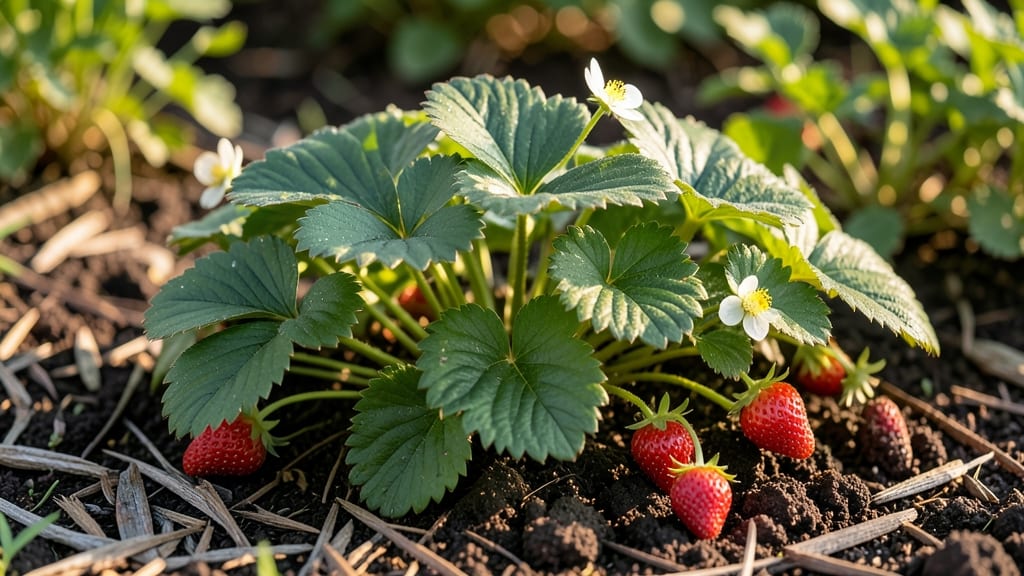
If your 🍓 strawberry plants are struggling to produce sweet, juicy berries, the answer might be simpler than you think—it’s all about how much light a strawberry plant needs.
Getting the sunlight balance right is the difference between a bountiful harvest and disappointing results, and most gardeners don't realize how critical 6-10 hours of direct light really is for peak performance.
Strawberries are sun-worshippers, and when they don't get enough light, you'll notice it fast—smaller fruit, fewer berries, or even leggy plants that flop over. The good news? With the right adjustments, you can transform your garden into a strawberry paradise.
Whether you're growing in containers or in-ground beds, I'll show you exactly how to measure light exposure and make simple fixes that work.
Let’s start with the basics: why strawberries need so much sunlight and how to tell if yours are getting enough. You might be surprised by what happens when they get too little or too much light—spoiler: neither extreme is ideal.
By the end, you’ll know exactly where to place your plants for the best results, no matter your climate or growing setup.
Ready to turn your strawberry patch into a fruiting powerhouse? Let’s dive into the sunlight secrets that will have you harvesting plump, flavorful berries in no time.

Optimal sunlight hours for strawberry plants: the science behind 6-10 hours daily
Strawberries are sun-worshippers—6 to 10 hours of direct sunlight daily is their sweet spot for producing those juicy, flavorful berries you crave. Without enough light, your plants will struggle to flower, fruit, or even establish strong roots.
Think of sunlight as their energy drink: too little, and they’ll grow weak and leggy; too much in extreme heat can scorch their leaves.
But here’s the catch: not all strawberries have the same light needs. June-bearing varieties (like Jewel or Chandler) demand the full 6–10 hours, while everbearing and day-neutral types (like Seascape or Albion) can tolerate 4–6 hours but still thrive with more.
The key is balancing light with your local climate—cooler regions can handle more sun, while hot, dry areas may need afternoon shade to prevent stress.
| Strawberry Type | Minimum Sunlight | Ideal Sunlight | Shade Tolerance | Fruit Quality Impact |
|---|---|---|---|---|
| June-bearing | 6 hours | 8–10 hours | Poor (<4 hrs) | Small, tart berries |
| Everbearing | 4 hours | 6–8 hours | Moderate (4–6 hrs) | Reduced yield |
| Day-neutral | 4 hours | 6–8 hours | Moderate (4–6 hrs) | Smaller berries |
| All Types | — | Morning sun | Critical | Prevents afternoon burn |
Sunlight isn’t just about duration—it’s also about intensity. Strawberries need bright, direct light, not dappled shade or filtered sunlight. If your plants are growing in partial shade, they’ll stretch toward the light (a condition called etiolation), producing weak stems and fewer flowers.
In my garden, I’ve seen June-bearing varieties produce 30% fewer berries when given only 4 hours of sun compared to their full-sun counterparts.
Seasonal adjustments are crucial too. In summer’s peak heat (especially in zones 8–10), afternoon shade can save your plants from leaf scorch. Use 30–50% shade cloth during the hottest hours (1–4 PM) to protect them while still allowing enough light for photosynthesis.
I test this by placing a light meter near my plants—aim for 10,000–15,000 lux during peak hours to keep them happy.
For container growers, sunlight needs are even more critical because pots heat up faster. Place containers in south-facing spots and rotate them weekly so all sides get even light. If your balcony only gets partial sun, choose day-neutral varieties like Ostara, which are more forgiving.
I’ve grown Ostara in a west-facing pot with 5 hours of sun and still gotten a decent harvest—though the berries were smaller than my full-sun plants.
Watch for tell-tale signs of light deficiency: pale yellow leaves, long stems with small leaves, and no flowers or fruit. If your strawberries are sending up lots of leaves but no berries, they’re likely getting too much nitrogen (from fertilizer) and not enough light.
The fix? Move them to a sunnier spot and reduce fertilizer until they start flowering. In my experience, adding a reflective surface (like white gravel or a mirrored panel) under containers can boost light by 20–30%, making a big difference in shady spots.
Pro tip: Morning sun is your best friend. Strawberries thrive when they get direct sunlight from sunrise until midday, then can handle a few hours of afternoon shade. This schedule prevents heat stress while ensuring they get the energy they need for fruiting.
If you’re in a high-desert climate (like Zone 7b), you might even get away with full afternoon sun, but always monitor for wilting or leaf curl.
Remember, light quality matters too. Cloudy days reduce light intensity, so supplement with a grow light if you’re growing indoors or in deep shade. LED
How to measure and adjust light for maximum strawberry yield
Measuring your garden's sunlight accurately is the first step to giving strawberries their ideal 6-10 hours of direct light. Start by using a simple sunlight mapping technique: mark your garden with stakes and track sunlight patterns for a full week.
Most gardens receive morning sun (6 AM–12 PM) and afternoon sun (12 PM–6 PM), but shadows shift seasonally—especially in spring and fall. Use a shadow tracking app or even a physical marker to note where shadows fall at different times of day.
If your strawberries are getting less than 6 hours of sunlight, don’t panic—there are creative fixes. For containers or balconies, rotate pots every few days to ensure even light exposure.
In shadier spots, try reflective surfaces like white walls or aluminum foil wrapped around pots to bounce extra light onto leaves. Even a south-facing window can work for potted strawberries if placed near the glass during peak sunlight hours (10 AM–4 PM).
Seasonal adjustments are key, especially in northern climates where winter sunlight is weak. In late winter, move containers to sunnier locations or use grow lights (12–14 hours/day) to supplement natural light.
For summer heat zones, provide 30–50% shade cloth during peak afternoon sun (12–4 PM) to prevent leaf scorch while still allowing 6+ hours of morning light. This mimics the natural partial shade strawberries experience under dappled forest canopies.
For indoor growers, position strawberries within 12 inches of a south-facing window and supplement with a full-spectrum LED grow light for 14–16 hours daily. Use a light meter to ensure intensity reaches 5,000–10,000 lux—the equivalent of bright outdoor sunlight.
Rotate plants weekly to prevent etiolation (stretched, weak growth) caused by uneven light exposure.
Pro tip: Companion planting can help! Tall plants like tomatoes or sunflowers can provide shade in hot afternoons, while low-growing herbs like thyme or oregano won’t compete for light. Just ensure your strawberries still get their minimum 6 hours of direct sun—companions should complement, not block.
Finally, observe your plants for light deficiency signs: pale yellow leaves, sparse flowering, or small, underdeveloped fruit. If you see these, it’s time to reassess placement or invest in light-enhancing tools.
With the right adjustments, your strawberries will reward you with sweeter, larger berries all season long. 🌱