
Plants
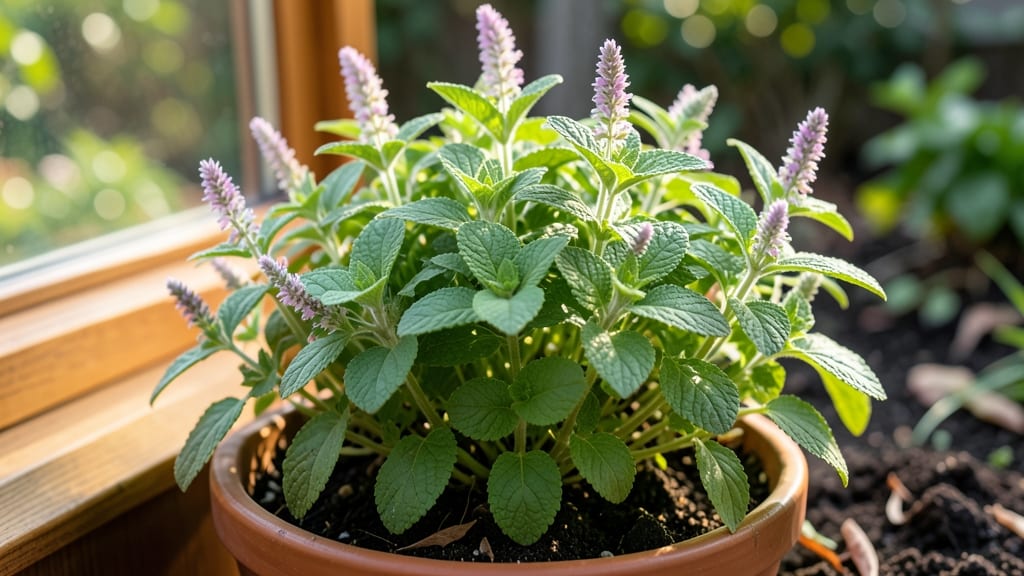
Ideal light requirements for mint plants: sun vs. shade balance
Mint plants thrive best with partial shade, meaning 4 to 6 hours of sunlight daily. Too much direct sun can scorch leaves, while too little light leads to weak, leggy growth.
The key is bright, indirect light—think morning sun paired with afternoon shade. This balance keeps your mint lush, flavorful, and pest-resistant.
Outdoor mint prefers dappled sunlight under trees or on east-facing windowsills. If your garden gets intense afternoon sun, use a light shade cloth (30-50%) to protect delicate leaves. This mimics mint’s natural habitat in woodland edges or near streams.
Indoor mint adapts well to bright indirect light, like a south- or east-facing window. Avoid harsh midday sun, which can cause leaf burn or bitter flavors. A grow light (12-14 hours/day) works wonders if natural light is lacking.
| Light Condition | Sunlight Hours | Best For | Risks |
|---|---|---|---|
| Partial Shade | 4-6 hours | Outdoor gardens, east windows | Leggy growth if too little |
| Full Sun | 6+ hours | Hot climates (with shade cloth) | Leaf burn, bitter taste |
| Low Light | 2-4 hours | North windows, indoor setups | Weak stems, sparse leaves |
Seasonal adjustments matter! In summer, mint may need afternoon shade to prevent wilting. In winter, extend light exposure to 6-8 hours if growing indoors, using a grow bulb to compensate for shorter days.
Mint’s flavor intensifies with the right light. Too little sun? Your tea will taste mild and weak. Too much? Bitter and harsh. Aim for that goldilocks zone of morning sun + afternoon shade for the best results.
Pro tip: Rotate your pots every few days to ensure even light exposure. This prevents lopsided growth and keeps leaves vibrant. A slow turn (¼ turn weekly) mimics natural sunlight shifts.
If you’re growing mint in containers, place them where they’ll get morning sun and afternoon shade. Avoid west-facing windows, as the intense late-afternoon sun can scorch leaves in minutes.
For outdoor gardens, plant mint near tall perennials or under dwarf fruit trees. This creates natural shade while allowing dappled sunlight to filter through. Mulch with straw or wood chips to retain moisture and regulate soil temperature.
Remember: Mint is adaptable, but it rewards precision. Monitor your plant’s leaf color and growth rate—these are your best clues for adjusting light exposure. A happy mint plant is bushy, aromatic, and ready for harvest in just 6-8 weeks!
Ideal light requirements for mint plants: sun vs. shade balance
Mint plants thrive in partial shade, making them perfect for gardeners who want a low-maintenance herb without harsh sunlight risks. Aim for 4-6 hours of sunlight daily, ideally in the morning when rays are gentler.
Too much direct afternoon sun can scorch leaves and weaken flavor, while too little light leads to leggy, sparse growth.
Outdoor mint prefers morning sun and afternoon shade—think dappled light under trees or a north-facing garden bed. If growing in containers, place them where they get filtered sunlight, like near a lattice or under a patio umbrella. This balance keeps your mint lush and aromatic without stressing the plant.
| Light Condition | Daily Sunlight | Best For |
|---|---|---|
| Partial Shade | 4-6 hours | Outdoor pots, garden beds |
| Full Sun | 6+ hours | Avoid—can scorch leaves |
| Indirect Light | 2-4 hours | East-facing windows, grow lights |
Seasonal adjustments matter! In summer, mint may need afternoon shade protection (like a sheer curtain) to prevent leaf burn. Conversely, winter’s weaker light means supplementing with a grow light for 6-8 hours daily if growing indoors. This mimics natural daylight cycles and keeps your mint healthy year-round.
Mint’s light needs also affect flavor. Too little light produces weak, milder leaves, while too much sun can make them bitter. The sweet spot? Morning sun + afternoon shade delivers that classic peppermint punch. Test your plant’s light by rotating pots weekly to find the ideal spot.
For container growers, choose pots with light-colored surfaces to reflect excess heat. Place them on a drip tray to catch water from evaporation, which helps regulate soil moisture under intense light. This small tweak can extend your mint’s lifespan by months.
Remember: mint spreads aggressively! If growing outdoors, contain it in pots or a dedicated bed with borders. This prevents it from overtaking your garden while still giving it the perfect light balance for robust growth.