
Plants
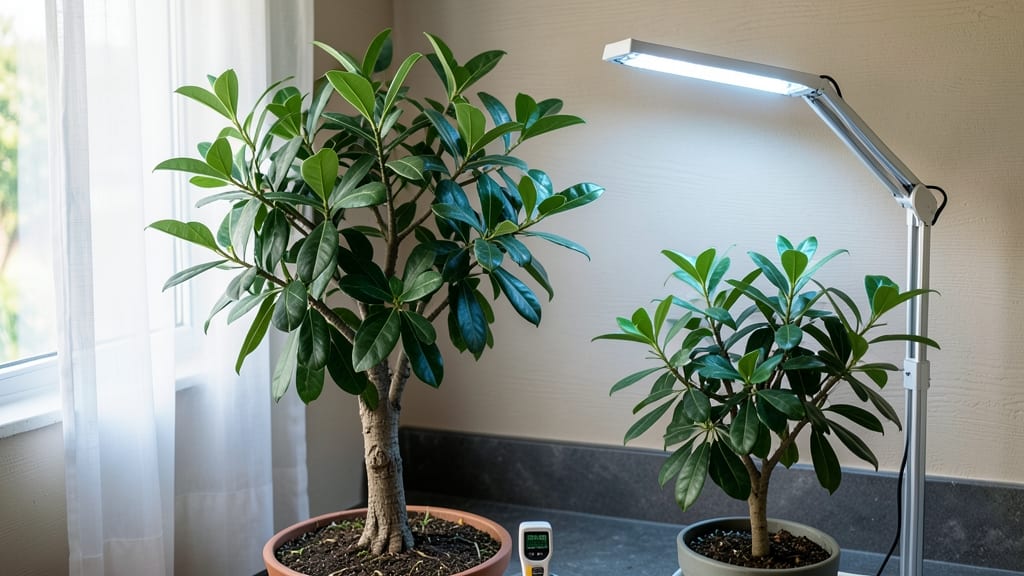
If your 🥑 avocado plant is struggling to thrive, chances are its light needs aren't being met. This tropical tree demands bright indirect sunlight for at least 6-8 hours daily, but too much direct sun can scorch its leaves while too little causes weak, leggy growth.
Most growers make the mistake of assuming avocados need full sun like desert plants, but in reality, they prefer filtered light—especially in hot climates where afternoon sun can become harsh.
Whether you're growing yours indoors near a window or outdoors in USDA Zone 6a, understanding the right balance is key to keeping your plant healthy.
In this guide, I'll break down exactly how much light your avocado needs at each growth stage, from seedling to mature tree. You'll learn how to spot signs of improper lighting and adjust your setup—whether that means repositioning your plant or investing in grow lights for indoor conditions.
By the end, you'll have a clear plan to give your avocado the perfect light environment, setting it up for strong growth and—with patience—even fruit production down the road.

Optimal light requirements for avocado plants by growth stage
Avocado plants thrive under bright indirect sunlight, but their needs change dramatically from seedling to mature tree. As a plant parent, I’ve learned that 6–8 hours of sunlight daily is the golden rule—too little causes leggy growth, while too much risks leaf burn.
Let’s break down the perfect light conditions at each stage.
For seedlings and young plants, aim for 4–6 hours of filtered light. These delicate plants can’t handle intense midday sun yet. I place mine near an east-facing window where morning light is gentle but abundant. Avoid harsh afternoon rays, which can scorch tender leaves.
As your avocado grows into a juvenile plant (1–3 years old), increase exposure to 6–8 hours of sunlight daily. This is when they start developing the thick, leathery leaves that signal maturity.
My 2-year-old avocado now sits on a south-facing windowsill, where it gets morning sun and afternoon shade from nearby foliage.
Mature avocado trees (3+ years old) crave full sun exposure (8+ hours). If you’re growing outdoors, choose a spot with 6+ hours of direct sunlight and partial afternoon shade during peak summer months.
I’ve noticed my mature tree produces more flowers when it gets morning sun and filtered afternoon light.
| Growth Stage | Ideal Sunlight | Signs of Too Little Light | Signs of Too Much Light |
|---|---|---|---|
| Seedling (0–1 year) | 4–6 hours bright indirect | Leggy stems, pale yellow leaves | Brown leaf tips, crispy edges |
| Juvenile (1–3 years) | 6–8 hours mixed light | Slow growth, small leaves | Sunburn spots, curled leaves |
| Mature (3+ years) | 8+ hours full sun | Reduced flowering, sparse fruit | Leaf scorch, wilting |
Seasonal adjustments are key—avocados handle winter sunlight differently than summer. During cooler months, they can tolerate more direct sun since the intensity is lower. In summer, provide afternoon shade (3–5 PM) to prevent heat stress. I use a sheer curtain to diffuse harsh rays during peak hours.
If you notice yellowing leaves, it’s often a light deficiency. Move your plant closer to a south-facing window or supplement with a grow light. Brown, crispy patches?
Your plant is getting too much direct sun. Gradually acclimate it to shade or move it to a spot with filtered light.
Pro tip: Rotate your avocado plant quarter-turns weekly to ensure even growth. I’ve seen plants develop lopsided shapes when kept in one spot too long. This simple habit encourages balanced foliage and stronger stems.
For outdoor growers, microclimates matter. A spot against a south-facing wall gets 30% more sunlight than an open area. I’ve had success growing my avocado near a brick wall that absorbs and radiates heat, extending the growing season by 2–3 weeks.
Remember, avocados are tropical plants that mimic their native forest understory. They need bright light but not scorching sun. Think of it like a sunbathing teen—they love the sun but need breaks to avoid burning.
With the right balance, your avocado will reward you with lush growth and delicious fruit.
How to provide perfect indoor light for avocado plants
Growing an avocado plant indoors is challenging because most homes don’t get enough natural light to meet its 6-8 hour daily requirement. Without proper light, your plant will stretch toward windows, develop weak stems, and lose its vibrant green leaves.
The good news? With the right setup, you can create ideal conditions even in low-light spaces.
First, identify the brightest window in your home—south-facing windows provide the most consistent light, especially in northern hemispheres. If your only options are east or west-facing, supplement with artificial light during shorter winter days. Avoid north-facing windows entirely, as they offer minimal sunlight for avocado plants.
| Light Source | Best For | Daily Duration | Pros | Cons |
|---|---|---|---|---|
| South Window | Natural light lovers | 6-8 hours | Free, no electricity, full spectrum | Limited to daytime, seasonal variations |
| LED Grow Lights | Indoor growers | 12-16 hours | Energy-efficient, adjustable spectrum, year-round use | Initial cost, requires setup |
| Fluorescent Lights | Budget-friendly option | 10-12 hours | Affordable, easy to find | Less efficient, shorter lifespan |
| Combination (Window + Grow Light) | Best results | 8-12 hours total | Balanced approach, prevents legginess | Requires monitoring |
If you're using artificial lights, position them 6-12 inches above your avocado plant and keep them on for 12-16 hours daily to mimic natural daylight. LED grow lights are ideal because they emit the full spectrum of light avocados need, including red and blue wavelengths that promote healthy growth.
For best results, rotate your plant quarter-turn weekly to prevent uneven growth toward the light source.
Watch for signs your plant isn’t getting enough light: yellowing leaves, elongated stems, or leaves that grow farther apart. If you notice these, move your plant closer to the light source or increase the duration of artificial lighting.
Remember, avocados are tropical plants—they thrive on bright, consistent light but can’t handle harsh direct sun that would scorch their leaves.
For those with limited natural light, consider a reflective surface like a white wall or aluminum foil behind your plant to bounce extra light onto the leaves. This simple trick can significantly boost the light your avocado receives without additional equipment.
With the right light setup, your indoor avocado can grow just as strong as one outdoors. Start with the brightest window you have, supplement with grow lights if needed, and monitor your plant’s response closely. Soon, you’ll see lush, healthy growth—and maybe even flowers or fruit in a few years!