
Plants
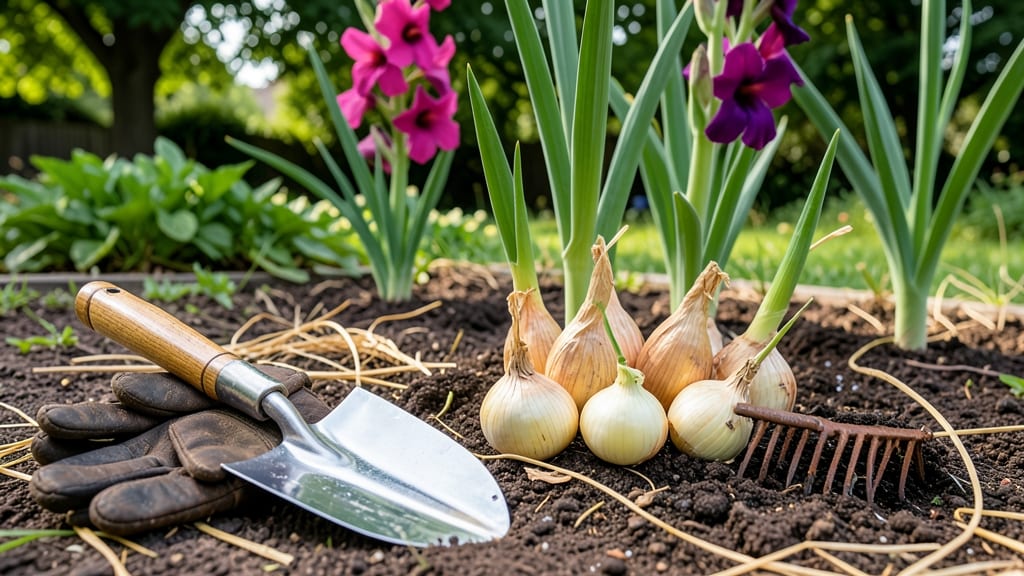
Timing your Gladiolus 🌱 planting in Oregon can make the difference between vibrant summer blooms and struggling bulbs. The key isn't just waiting for spring—it's understanding how soil temperature and regional microclimates create the perfect window for these dramatic flowers to thrive.
With Oregon's diverse climate zones, from the cooler coastal areas to the warmer inland valleys, you can't rely on a one-size-fits-all approach. What works for Zone 8 gardens in the Willamette Valley might be too late for coastal gardeners in Zone 7.
I'll show you exactly how to read your soil's temperature cues and adjust your planting schedule accordingly.
We'll cover the ideal soil temperature range of 50-60°F that triggers strong root growth, plus practical tips for preparing your garden bed.
Whether you're planting in March for early blooms or waiting until May to avoid summer heat stress, you'll know exactly when to get those bulbs in the ground for maximum impact.
Ready to grow showstopping gladiolus that steal the show in your garden? Let's dive into Oregon-specific timing that guarantees success, no matter where you're planting in the state.
Oregon’s gladiolus planting zones: soil temperature triggers by region
Oregon’s diverse climate—from the cool coastal fog of the Willamette Valley to the hotter inland valleys—means gladiolus bulbs need region-specific timing. Most of Oregon falls under USDA Zones 7-9, but microclimates shift planting windows by weeks or even months.
The key? Plant when soil hits 50–60°F, not just after the last frost.
Coastal areas like Astoria or Newport often wait until late May or June due to prolonged cool soils. Inland zones like Bend or The Dalles can start as early as mid-April, but watch for heatwave risks in July that can stress bulbs.
Eastern Oregon’s high desert may even plant in early April if nights stay cool.
Here’s how to match your location to the ideal planting window:
| Region | USDA Zone | Soil Temp Threshold | Best Planting Window | Key Consideration |
|---|---|---|---|---|
| Coastal Oregon (Astoria, Newport) | Zone 8-9 | 55–60°F | Late May–June | Cool soils delay planting; use row covers if early |
| Willamette Valley (Portland, Eugene) | Zone 7b-8a | 50–55°F | Mid-April–May | Frost risk in April; monitor frost-free dates |
| Inland Valleys (Salem, Hood River) | Zone 7b-8b | 50–55°F | Late March–April | Warmer soils but heatwave risks in summer |
| Eastern Oregon (Bend, La Grande) | Zone 6b-7a | 45–50°F | Early April–May | Cooler nights; extend season with mulch |
| High Desert (Burns, Ontario) | Zone 6a-7a | 45–50°F | Early April–late April | Dry soils; water deeply after planting |
For coastal gardeners, test soil temperature with a soil thermometer—plant only when it consistently stays above 55°F for 3+ days. Inland areas can push earlier but avoid planting before April 15 to prevent frost damage.
Pro tip: Pre-warm soil in raised beds with black plastic mulch if your zone runs cold.
Heatwaves in July–August can stress gladiolus, especially in Zone 8+ areas. If temperatures exceed 90°F, provide afternoon shade with lightweight shade cloth to protect blooms. Eastern Oregon’s high desert may also need extra irrigation during dry spells.
Microclimates matter! A south-facing slope in Portland may warm up 2 weeks earlier than a north-facing garden. Use these cues to fine-tune your schedule:
- 🌱 Leaf unfurling in daffodils or tulips signals soil warmth (plant gladiolus 2–3 weeks later).
- 🌡️ Soil probe test: Insert a thermometer 4 inches deep—wait until it hits 50°F+.
- ☀️ Sunny microclimates (e.g., roof decks) can plant 1–2 weeks earlier than shaded spots.
Gladiolus bulbs thrive in well-draining soil, so amend heavy clay with compost or sand before planting. In Zone 7, consider fall planting (September) for earlier spring blooms, but only if your area has mild winters. Most of Oregon’s frost dates make spring planting the safer bet.
Remember: Bulb size matters. Larger corms (1.5–2 inches) establish roots faster and tolerate cooler soils better than small ones. Store extras in a cool, dry place until your zone is ready.
Oregon’s gladiolus planting zones: soil temperature triggers by region
Oregon's diverse climate means your gladiolus planting time depends heavily on your specific USDA zone and microclimate. While most of the state falls within Zones 7-9, coastal areas like Astoria experience cooler temperatures than inland valleys like Salem or Bend.
The key to success? Planting when soil reaches 50-60°F—this triggers root growth while avoiding frost damage.
In Zone 7 (coastal Oregon and higher elevations), aim for mid-April to early May when frost risk drops. Inland Zone 8-9 areas can start as early as late March, but watch for sudden heatwaves that can stress newly planted bulbs.
Eastern Oregon's arid climate also means you'll need to adjust watering schedules once planted.
🌱Visual Tip: Use a soil thermometer to confirm readiness—gladiolus bulbs won't thrive in cold, damp soil that slows root establishment.
For gardeners in Zone 9 (like parts of the Rogue Valley), you can push planting to February if you protect bulbs with straw mulch during late frosts. However, planting too early risks rot—always wait until soil warms consistently.
Inland areas like Bend may need to wait until June to avoid summer drought stress on young plants.
Pro tip: If your soil stays cold past your ideal window, try raised beds—they warm up faster than ground soil. Just ensure proper drainage to prevent bulb rot, a common issue in Oregon's wetter climates.
🌿 Remember that gladiolus bulbs planted in late spring (June) will still produce flowers, but expect smaller blooms. For showstopping height and color, prioritize that 50-60°F soil window in your specific region.