
Plants
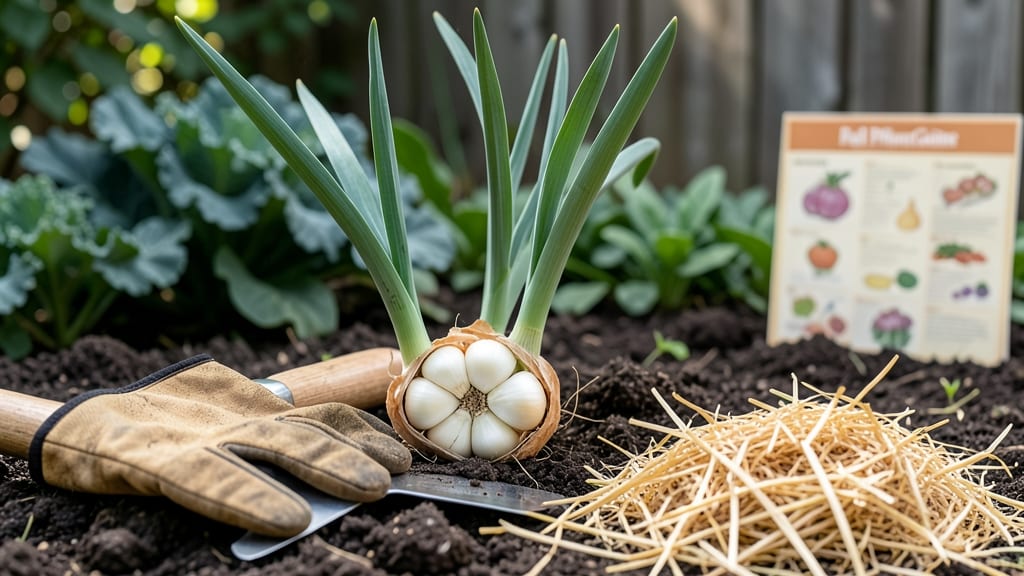
Here’s the thing: most gardeners in Zone 5a assume spring planting works, but that’s a recipe for disappointment. The secret to success lies in mid-to-late fall planting, when soil temperatures drop and frost is on the horizon.
This isn’t just about throwing cloves in the ground—it’s about syncing your planting with your zone’s unique frost patterns to trigger the right growth cycle.
In this guide, I’ll walk you through the exact planting window for Zone 5a, including when to start, how to prep your soil, and which hardneck varieties perform best. You’ll also learn how to avoid common mistakes that sabotage harvests, like planting too late or ignoring frost dates.
By the end, you’ll have a clear, climate-proof schedule that turns your garlic patch into a reliable, high-yielding asset—no guesswork required.
Ideal garlic planting window in Zone 5a: month-by-month breakdown
In Zone 5a, garlic thrives when planted in fall—specifically between mid-October and mid-November. This timing ensures cloves establish roots before winter dormancy, a critical step for hardneck varieties (the best choice for cold climates).
Softnecks, common in grocery stores, rarely succeed here due to their sensitivity to freezing temperatures.
Your last frost date (typically November 15 in Zone 5a) is your deadline. Planting too late means the cloves won’t root deeply enough, while planting too early (before September) risks premature growth that won’t survive winter. Think of it as a 6-week window before the ground freezes solid.
Soil temperature is your secret weapon. Aim for 40–50°F (4–10°C) when planting—this chills the cloves just enough to trigger bulb formation next summer. Use a soil thermometer to check; if temps drop below freezing, your garlic is already in the ground and safe.
Here’s your Zone 5a garlic timeline, broken down by task to avoid overwhelm:
Spring in Zone 5a brings a critical growth phase. Once shoots appear (usually April), remove mulch to prevent rot and fertilize lightly with a 5-10-10 blend. This isn’t the time for heavy feeding—garlic bulbs need phosphorus for root development, not nitrogen for leafy growth.
By late June, your garlic will be ready to harvest. Look for brown lower leaves and bulbs the size of a golf ball. Dig carefully with a fork to avoid damaging the bulbs—this is your reward for nailing the fall planting window.
Pro tip: If you miss fall planting, spring planting is possible but risky in Zone 5a. Plant in early March for a smaller harvest, but bulbs won’t develop fully due to the shorter growing season. Stick to fall for the best results.
🌱
Ideal garlic planting window in Zone 5a: month-by-month breakdown
In Zone 5a, garlic thrives when planted in fall—never spring—because cold temperatures trigger bulb formation. The optimal window is between mid-October and mid-November, aligning with your last frost date (typically November 15). This timing ensures cloves establish roots before winter dormancy begins.
Garlic needs 4-6 weeks of cool weather (below 50°F) to vernalize, a process that jumpstarts bulb development. Planting too late risks shallow roots that freeze, while early planting (before October 1) may cause cloves to sprout prematurely. Balance is key!
| Task | Zone 5a Timeline (Hardneck Focus) | Key Considerations | Pro Tip |
|---|---|---|---|
| Soil Prep | September | Test pH (6.0-7.0); amend with compost | Use aged manure for nitrogen |
| Planting | October 15–November 15 | Soil temp: 40–50°F; 2" deep | Point cloves upward for faster sprouting |
| Mulching | November–March | 4–6" straw; protects from freeze-thaw | Remove mulch in spring when soil warms |
| Fertilizing | October (planting) | 5-10-10; 1 tbsp per 10 sq ft | Avoid high nitrogen; promotes leaves over bulbs |
Hardneck garlic (the best choice for Zone 5a) needs cold vernalization to form bulbs. Softneck varieties, common in warmer zones, rarely thrive here—they often rot in wet springs. Stick to hardnecks like Purple Stripe or Rocambole for reliable yields.
After planting, water deeply but reduce frequency in winter. Resume watering in spring when shoots emerge (around April 1). Overwatering in winter can drown cloves, while drought stress in spring stunts bulb growth. Aim for 1–2 inches of water weekly once active growth resumes.
Harvest time arrives in late June–July when lower leaves brown but upper leaves stay green. Dig bulbs on a dry day, cure them in shade for 2 weeks, and store in a cool, dark place. Proper timing ensures plump, flavorful garlic ready for fall cooking!