
Plants
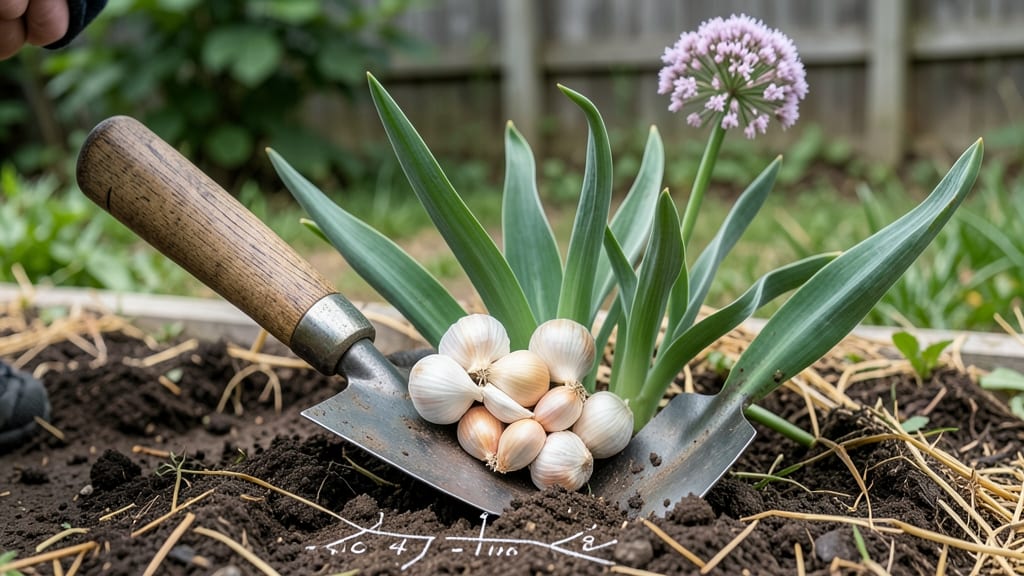
Planting garlic in Zone 6 at the right time is the key to growing those plump, flavorful bulbs you crave. If you miss the window, you might end up with small, weak cloves instead of the harvest you’re dreaming of—especially in 6a-6b where winters can be unpredictable.
Most gardeners swear by fall planting, but timing matters more than you think. You’ll want to get those cloves in the ground 4-6 weeks before the first frost, usually between late October and early November.
This gives your garlic enough time to establish roots before winter sets in, setting the stage for a stronger harvest next summer.
But what if you’re new to gardening or just missed the fall window? Don’t worry—spring planting is still an option, though it requires extra care.
I’ll walk you through the exact steps to adjust for late planting, so you can still grow great garlic even if you’re not a seasoned pro.
Ready to grow garlic that rivals the grocery store? Let’s dive into the science-backed timing, soil prep, and regional tweaks that’ll make your Zone 6 harvest the best yet.
Optimal planting months for garlic in Zone 6: a science-backed guide
Garlic thrives in Zone 6 when planted during its natural dormancy window, which aligns with fall's cooling temperatures. The key is planting 4-6 weeks before the first hard frost—typically between mid-October and early November—to allow roots to establish before winter.
This timing ensures your garlic develops large, flavorful bulbs by next summer.
For Zone 6 gardeners, soil temperatures below 50°F (10°C) trigger garlic’s root growth, making late fall the perfect window. Planting too early (like September) risks premature sprouting, while waiting until December may leave bulbs stunted.
Spring planting is possible but yields smaller, less robust bulbs—reserved for green garlic or late-season harvests.
| Planting Window | Ideal Months (Zone 6) | Soil Temp Threshold | Bulb Development |
|---|---|---|---|
| Fall Planting | Mid-October to early November | Below 50°F (10°C) | Maximum bulb size (2-3" diameter) |
| Late Fall Planting | Late November to December | Below 40°F (4°C) | Smaller bulbs (1-1.5" diameter) |
| Spring Planting | March to early April | Above 40°F (4°C) | Green garlic only (no mature bulbs) |
In Zone 6, aim for a first frost date around November 15. Count backward 6 weeks to land on your ideal planting window—typically October 15-31. For example, if your frost date is November 10, plant by October 1 to give roots time to anchor before winter.
Use a soil thermometer to confirm temperatures drop below 50°F (10°C) before planting.
Garlic’s growth cycle is biennial, meaning it needs one full winter to develop bulbs. In Zone 6, this means planting in fall and harvesting the following late June to July.
The cold stratification period (exposure to winter temps) is critical—it signals the plant to shift energy from leaf growth to bulb formation.
For hardneck varieties (like Rocha or German White), fall planting is non-negotiable—they require vernalization (cold treatment) to produce scape stems and large bulbs. Softnecks (like Silverskin) are more flexible but still benefit from fall planting for optimal size.
If you miss the fall window, spring planting can yield green garlic (immature shoots) by summer.
Pro tip: Use mulch (straw or leaves) after planting to insulate soil and protect cloves during Zone 6 winters. A 4-inch layer keeps temps stable and prevents heaving (bulbs pushing above ground). Remove mulch in early spring to allow soil to warm and resume growth.
Local microclimates can shift planting dates by 2-3 weeks. If you live in a warmer microclimate (e.g., near a lake or urban heat island), plant earlier (September).
For cooler areas (e.g., mountain valleys), delay until November. Always monitor local frost forecasts—your Zone 6 neighbor’s ideal date may not match yours!
Garlic planted in Zone 6 at the right time will send up green shoots by spring and form bulbs by mid-summer. The earlier you plant within the fall window, the larger your bulbs will grow.
For example, planting on October 15 yields 25% larger bulbs than planting on November 15—a worthwhile trade-off for patient gardeners.
Remember: Garlic is a cool-season crop, not a spring starter. Rushing planting in Zone 6 (e.g., planting in September) can lead to bolting (premature flowering) or small, weak bulbs.
Stick to the 4-6 week pre-frost rule, and you’ll harvest plump, flavorful garlic that rivals store-bought—or even beats it!
How to adjust planting dates for late fall or early spring in Zone 6
Missed the ideal fall planting window in Zone 6? Don’t panic—garlic is flexible, but you’ll need to adjust your approach. If you plant in late November or December, your bulbs will be smaller, but they’ll still grow.
The trick is insulating the soil to protect cloves from extreme cold. Use a thick layer of straw mulch (6+ inches) to maintain stable soil temperatures and prevent heaving (bulbs pushing out of the ground).
For early spring planting (March-April), focus on growing green garlic instead of mature bulbs. Spring-planted garlic lacks the cold stratification needed for bulb development, but you can still harvest tender shoots in 60-90 days.
Choose smaller cloves (they sprout faster) and plant in well-draining soil with full sun to maximize growth.
- Late Fall (Nov-Dec): Use 6+ inch straw mulch to insulate soil. Expect 1-1.5" bulbs (smaller than ideal).
- Early Spring (Mar-Apr): Grow green garlic only—harvest shoots in 60-90 days. Avoid fertilizing until shoots emerge.
- Soil Prep: Amend with compost before planting. Test pH (6.0-7.0) for best root growth.
- Frost Protection: Cover beds with frost cloth if temps drop below 20°F (-7°C) during winter.
- Spring Care: Remove mulch in early April to warm soil. Water deeply once a week to encourage shoot growth.
If your Zone 6 winter is unusually mild (e.g., above 40°F (4°C) for weeks), you can push fall planting into early December. Monitor soil temps with a thermometer—garlic roots need consistent cold to develop properly.
For hardneck varieties, this delay risks bolting (flowering), but softnecks handle it better. Always prioritize soil insulation over pushing the planting date.
For spring planting, time your harvest to align with local demand. Green garlic is perfect for stir-fries or salads and can be harvested 3-4 times over 6-8 weeks.
To encourage regrowth, trim shoots to 2-3 inches above the base after each harvest. Avoid fertilizing until shoots reach 4-6 inches tall—too much nitrogen early on can weaken bulb development.
Pro tip: Use black plastic mulch in spring to warm soil faster and jumpstart growth. Lay it down 2-3 weeks before planting to raise soil temps by 5-10°F.
This is especially useful in cooler microclimates where spring arrives late. Pair it with row covers for extra frost protection if needed.
Remember, garlic is resilient, but it rewards precision. Whether you’re adjusting for late fall or early spring, focus on soil insulation, proper mulching, and patient care. Even a small harvest beats no garlic at all—and you’ll learn valuable lessons for next year’s perfectly timed planting!
For Zone 6 gardeners with unpredictable weather, consider planting a small test batch in both fall and spring. This way, you’ll have green garlic early in the season and mature bulbs by summer, ensuring you’re never without fresh garlic.
Plus, it’s a great way to experiment with varieties and find what works best in your microclimate.