
Plants
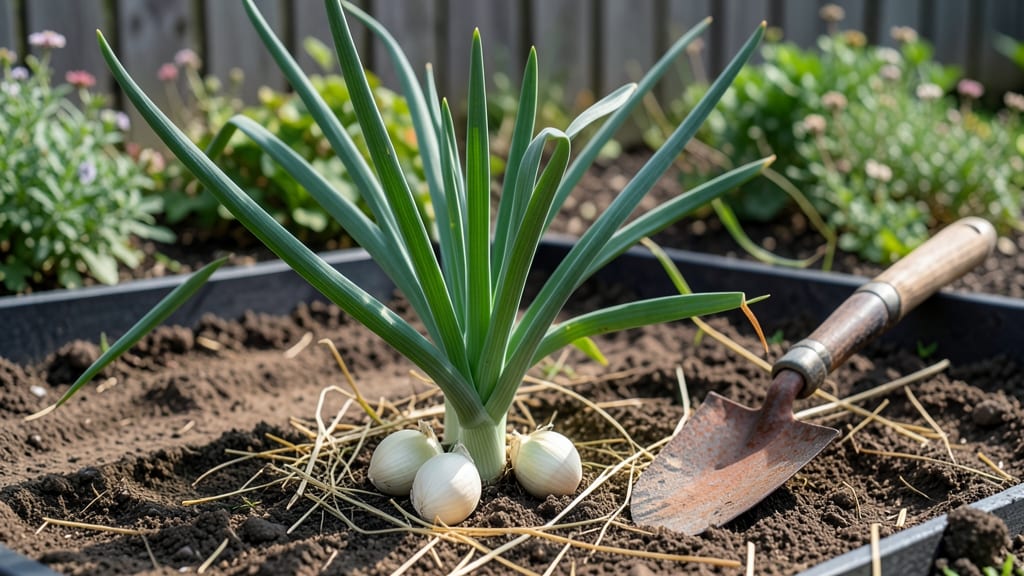
Planting garlic in New York isn’t just about timing—it’s about unlocking the secret to robust, flavorful bulbs that make your kitchen the envy of the neighborhood.
The fall window between late September and mid-October is your golden opportunity, especially for hardneck varieties that thrive in New York’s USDA zones 5b-7b. Miss this narrow window, and you risk stunted growth or even total failure, no matter how well you prepare the soil.
Why does timing matter so much? Garlic needs cold exposure to form bulbs, but it also hates being planted too early or too late. In New York’s climate, planting 4-6 weeks before the first frost—typically by mid-October—gives your 🧄 the perfect head start.
Too soon, and cloves may sprout prematurely; too late, and they won’t establish roots before winter sets in.
Let’s cut through the guesswork. I’ll walk you through exactly when to plant in your specific corner of New York, whether you’re in the city or upstate, and how to prep your soil for maximum success.
By the end, you’ll know not just when to plant, but how to set your garlic up for a bountiful harvest in July—no more wasted effort, just plump, papery-skinned bulbs ready to elevate every dish.
Ready to turn your garden into a garlic powerhouse? Let’s get started.
Optimal fall planting dates for garlic in New York’s climate zones
New York’s diverse climate—from the cool mountains of the Adirondacks to the humid coastal areas of Long Island—creates distinct planting windows for garlic. Most of the state falls within USDA zones 5b-7b, meaning your ideal planting time hinges on first frost dates and soil temperatures.
For hardneck varieties, which dominate in New York, aim to plant 4-6 weeks before the ground freezes, typically between late September and mid-October.
Timing is critical because garlic needs cold stratification to form bulbs. Plant too early, and cloves may sprout prematurely. Plant too late, and they won’t establish roots before winter.
In zone 5b (e.g., Albany), the window narrows to late September to early October, while zone 7b (e.g., NYC) offers a slightly later range of mid-October. Always check your local first frost date—most New York regions experience it between mid-October and early November.
Here’s how regional variations impact your garlic schedule:
| Region | USDA Zone | First Frost Date | Ideal Planting Window | Soil Temp Threshold |
|---|---|---|---|---|
| Upstate (Albany, Syracuse) | 5b-6a | Mid-October | Late September – Early October | Below 40°F (4°C) |
| Hudson Valley (Poughkeepsie) | 6a-6b | Early October | Early to Mid-October | Below 38°F (3°C) |
| New York City (Brooklyn, Queens) | 7a-7b | Early November | Mid-October – Early November | Below 35°F (2°C) |
| Long Island (Farmingdale, Riverhead) | 7b-8a | Mid-November | Late October – Early November | Below 32°F (0°C) |
If you miss the fall window, you can plant garlic in early spring (mid-April to early May), but bulbs will be smaller and less flavorful. Spring-planted garlic skips the cold stratification process, which is why hardnecks are the preferred choice for New York’s winters.
For reference, St. Martin’s Day (November 11) is a traditional deadline in many gardening circles—planting after this date risks poor bulb development.
Pro tip: Use a soil thermometer to confirm your soil is below 50°F (10°C) before planting. This ensures cloves won’t sprout too soon. In colder zones like the Adirondacks, wait until soil temps drop closer to 40°F (4°C) to prevent rot.
Mulching with straw or leaves after planting helps insulate the soil and protect cloves from freeze-thaw cycles.
New York’s variable autumn weather can throw off your timing. If rain delays planting, prioritize well-draining soil to avoid waterlogged cloves. In wet years, opt for raised beds to improve drainage and extend your planting window by a week or two.
Always choose hardneck varieties like ‘Music’ or ‘German White’, which are bred to handle New York’s winters and produce larger, more robust bulbs.
For gardeners in zone 7b (e.g., NYC), don’t wait until October to prep. Amend your soil in early September with compost and aged manure to give cloves a nutrient-rich start.
In colder zones like zone 5b, focus on soil warmth—planting too early can lead to premature sprouting, which weakens cloves before winter.
Remember: Garlic planted in fall will harvest in late June or July, just as summer heat ramps up. This timing aligns perfectly with New York’s growing season, ensuring bulbs mature before disease pressure increases.
If you’re new to garlic growing, start with one variety and track your planting date to refine your schedule for future years.
🌱
Optimal fall planting dates for garlic in New York’s climate zones
New York’s diverse climate zones—from USDA Zone 5b in the Adirondacks to Zone 7b in Long Island—create a tricky but exciting challenge for garlic growers. The key to success lies in planting 4-6 weeks before your first frost, which varies dramatically across the state.
In Zone 5b (e.g., Albany, Syracuse), aim for late September to early October, while Zone 6a (e.g., NYC, Rochester) can stretch until mid-October. Upstate areas like Buffalo (Zone 6b) have a slightly longer window, often until early November.
Miss this window, and your garlic won’t establish strong roots before winter sets in. Plant too early, and cloves may sprout prematurely, leaving them vulnerable to frost damage. The soil temperature threshold is another critical factor: garlic thrives when soil cools to 40-50°F.
In New York, this typically aligns with late September, but watch your local forecast—a sudden cold snap can derail your plans.
Here’s how to pinpoint your exact planting window based on your location in New York:
| Zone | Region Examples | First Frost Date | Ideal Planting Window | Soil Temp Goal |
|---|---|---|---|---|
| 5b | Adirondacks, Plattsburgh | Late September | Late September to early October | 40-50°F |
| 6a | NYC, Rochester, Ithaca | Mid-October | Late September to mid-October | 40-50°F |
| 6b | Buffalo, Syracuse | Early October | Early to mid-October | 40-50°F |
| 7a | Long Island, Hudson Valley | Mid-October | Mid-September to early October | 40-50°F |
Pro tip: Use the St. Martin’s Day rule (November 11) as a backup deadline. If you haven’t planted by then, your garlic may not mature properly. For hardneck varieties—like ‘Music’ or ‘German White’, which dominate New York gardens—this timing is non-negotiable.
Softnecks, like ‘Silverskin’, are more flexible but still benefit from a fall start.
New York’s regional microclimates add another layer of complexity. For example, Long Island’s coastal influence can delay first frosts by 1-2 weeks compared to inland areas. Always check your local Almanac or NOAA frost maps to fine-tune your schedule.
A 4-6 week buffer ensures your garlic has time to root before winter, even if frost arrives early.
Once you’ve locked in your planting window, the next step is soil prep. Loose, well-draining soil with a pH of 6.0-7.0 is non-negotiable. I’ll cover that—and how to protect your garlic from New York’s unpredictable winters—in the next section. 🌱