
Plants
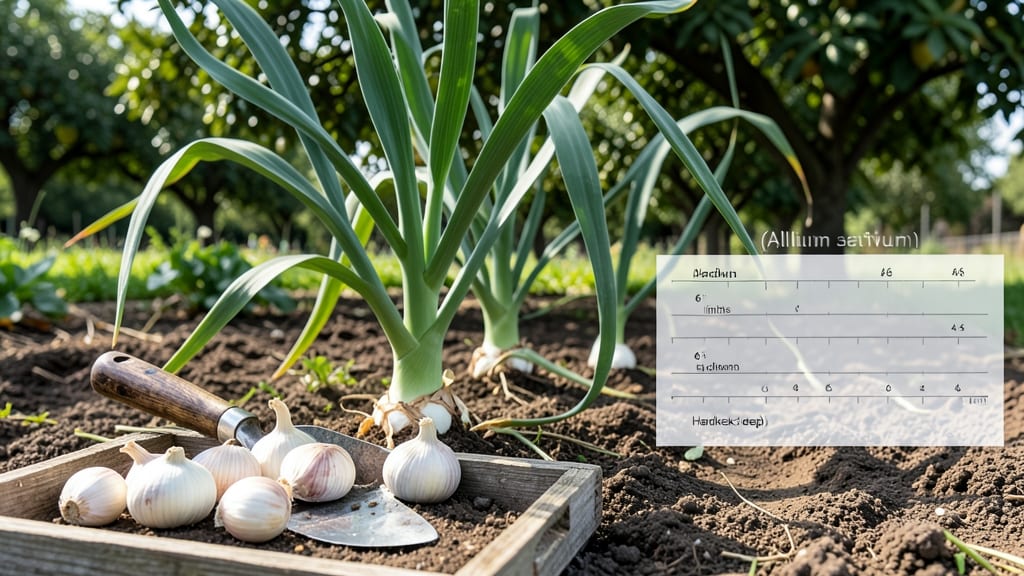
Timing is everything when it comes to growing 🧄 garlic in Virginia (VA), and planting too early or too late can mean the difference between a bumper crop and wasted effort.
If you’ve ever wondered why some gardeners swear by October while others insist November is better, the answer lies in Virginia’s unique 7a-8a climate and frost patterns.
Most gardeners in Virginia know the golden rule: plant garlic in fall, but the exact window—October to November—can feel like a moving target. Too soon, and your cloves might sprout before winter sets in.
Too late, and they won’t establish strong roots before the ground freezes. The key is understanding how your local microclimate (whether you’re in coastal Hampton Roads or the Piedmont region) affects frost dates.
Here’s what you need to know: the ideal planting window gives garlic 6 to 8 weeks of cool weather to root before the ground freezes solid.
That means if your first frost typically hits in mid-November, you’ve got just a few weeks to get those cloves in the ground—and the right spacing and soil prep can make all the difference.
In this guide, I’ll break down the exact timing for your part of Virginia, regional adjustments, and pro tips to ensure your garlic thrives—no matter whether you’re a first-time planter or a seasoned gardener looking to refine your technique. Let’s dig in.
Virginia’s ideal garlic planting window: months and moon phases
Virginia’s USDA zones 5–8 create a perfect climate for garlic, but timing is everything. The ideal window is mid-October to early November, when soil temps drop to 50–60°F—this triggers root growth before winter dormancy.
Plant too early, and your cloves may sprout prematurely; too late, and frost will damage emerging shoots.
Garlic needs 6–8 frost-free weeks before winter dormancy to establish roots. In Virginia, this means planting 4–6 weeks before your first hard frost, typically mid-November. Check local frost dates using the National Weather Service or Old Farmer’s Almanac for precision.
Moon phases also matter! Planting during the waxing moon (just after the new moon) boosts bulb formation. Aim for the first 3–4 days after the new moon in October or November. This aligns with garlic’s natural growth cycle, ensuring stronger roots and larger bulbs by harvest time.
Here’s a quick breakdown of Virginia’s planting timeline to avoid frost loss:
| Stage | Action | Virginia Timeline |
|---|---|---|
| Soil Prep | Test pH (6.0–7.0), add compost | September |
| Planting Window | Plant cloves 4" deep, 6" apart | Mid-October–Early November |
| Frost Protection | Mulch with straw (4–6") | Late November |
| Spring Growth | Water deeply, fertilize lightly | March–April |
| Harvest Ready | Lower leaves brown, bulbs firm | Late June–July |
Pro tip: Use hardneck garlic varieties like ‘Music’ or ‘German White’ for Virginia’s climate—they thrive in cold winters and produce scape shoots (edible stems) in spring. Softneck varieties like ‘Silverskin’ store longer but need slightly warmer winters.
If you miss the fall window, don’t panic! You can plant garlic in early spring (February–March), but bulbs will be smaller and less flavorful. Spring-planted garlic relies on summer heat to mature, which Virginia’s humid summers can handle—but fall planting is always the gold standard.
For extra insurance, plant a test row in late September. If sprouts emerge before frost, you’ve planted too early. Adjust your next batch accordingly. This simple trick saves time and heartache in future seasons.
🌱
How to adjust planting dates by Virginia region for maximum yield
Virginia’s climate varies dramatically from the cooler mountains of the northwest to the warmer coastal plains of the southeast. These regional differences mean your ideal garlic planting window shifts depending on where you live.
In Northern Virginia (Zones 5-6), you’ll want to plant earlier—as early as late September—to beat the first frost, while Southern Virginia (Zones 7-8) gardeners can wait until mid-November without risking frost damage.
Central Virginia (Zones 6-7) offers the most flexibility, with October through early November as the sweet spot. But don’t just pick a date—check your local frost forecasts and aim to plant 6-8 weeks before the first hard freeze.
For example, if your area typically freezes around November 15, plant by October 1 to give your garlic enough time to establish roots before winter dormancy.
Here’s how to fine-tune your planting schedule using soil temperature and microclimates. If you live near the Blue Ridge Mountains, plant 2-3 weeks earlier than the general guideline. Conversely, coastal areas like Hampton Roads can afford to plant 2 weeks later due to milder winters.
Even a south-facing slope in your yard can extend your planting window by 1-2 weeks compared to shady spots.
| Virginia Region | USDA Zone | Ideal Planting Window | Adjustments |
|---|---|---|---|
| Northern VA (e.g., Shenandoah Valley) | 5-6 | Late September–October 15 | Plant earlier; soil freezes faster |
| Central VA (e.g., Richmond, Charlottesville) | 6-7 | October 1–November 1 | Standard window; monitor forecasts |
| Southern VA (e.g., Norfolk, Virginia Beach) | 7-8 | October 15–November 15 | Plant later; milder winters |
| Mountainous Areas (e.g., Roanoke) | 5-6 | Late September–October 10 | Soil freezes earlier; use cold frames |
Pro tip: Use a soil thermometer to confirm the ground is below 40°F but not yet frozen. If you’re unsure, err on the earlier side—garlic cloves planted in warmer soil (50-60°F) will sprout faster and establish stronger roots before winter.
For late plantings, consider using a cold frame or row covers to protect young shoots from unexpected frost.
Remember, hardneck vs. softneck varieties also play a role. Hardneck garlic (like Music or German White) thrives in colder climates and can handle Northern VA’s shorter growing season. Softneck varieties (like Silverskin) prefer milder winters and are better suited for Southern VA.
Choose your variety based on your region to maximize bulb size and flavor.
Finally, don’t forget to mark your calendar for next year! The key to zero frost loss is consistency—planting at the same time annually helps you refine your timing based on past weather patterns.
With these regional adjustments, you’ll be well on your way to harvesting plump, flavorful garlic bulbs every summer. 🧄