
Plants
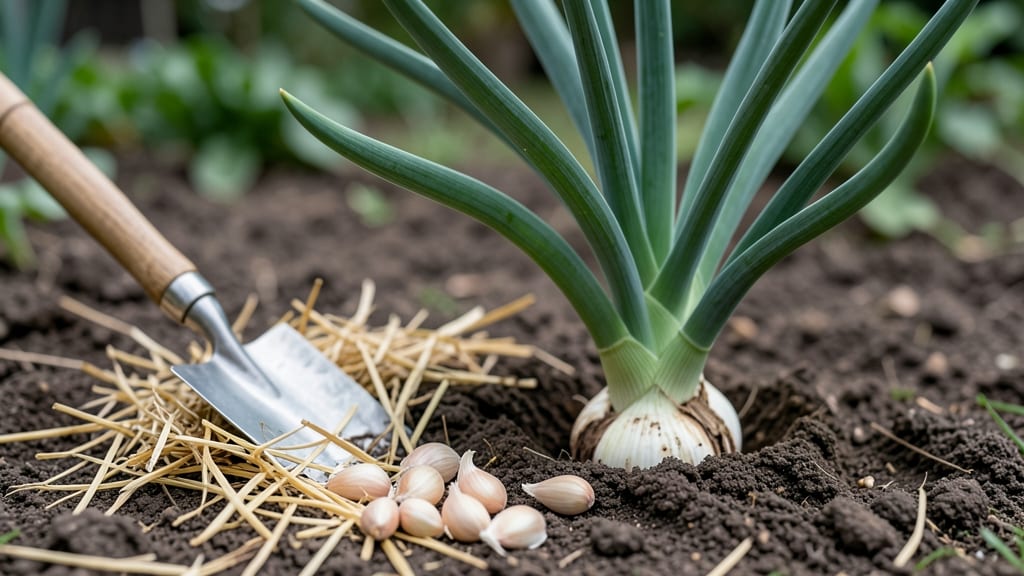
Planting garlic in the spring might seem like a no-brainer, but timing it wrong could mean the difference between a bountiful harvest and wasted effort. The key is understanding how cold-hardy varieties like 🧄 Rocambole or Artichoke need to establish roots before the heat of summer sets in.
If you're in USDA Zone 6 or similar climates, you've got a narrow window—typically late winter to early spring—to get those cloves in the ground. Too early, and you risk rot; too late, and your garlic might bolt before it matures.
I’ll walk you through the exact steps to nail your planting schedule, from soil prep to spacing, so you can grow flavorful bulbs without the guesswork.
What most gardeners don’t realize is that spring-planted garlic still needs a taste of cold to develop properly. We’ll cover how to mimic winter conditions if your area doesn’t get frost, plus regional tweaks for warmer zones.
By the end, you’ll know exactly when to plant for the best results—and why the first frost date isn’t just a number on a calendar.
Ready to grow garlic that’s bigger, stronger, and ready to harvest by mid-summer? Let’s break down the science and simple strategies that actually work, so you can avoid common mistakes and enjoy a harvest that’ll make your kitchen the envy of the neighborhood.
Optimal spring planting timeline for garlic by USDA hardiness zones
Spring garlic planting isn't as straightforward as it seems—especially if you're used to fall planting. The key is planting cold-hardy varieties early enough so they establish roots before winter, but not so early that they sprout prematurely.
For most regions, this means late winter to early spring, but exact timing depends on your USDA hardiness zone.
Garlic thrives when planted 4-6 weeks before the first hard frost of winter. In warmer zones, this might mean planting in late winter (February), while in colder zones, early spring (March-April) works best. The goal is to give garlic time to root before temperatures drop below 40°F (4°C) consistently.
Here’s how to adjust your planting schedule based on your zone:
| Zone | Ideal Planting Window | Key Consideration | Adjustment for Late Planting |
|---|---|---|---|
| 3-4 | Mid-March to early April | Short growing season; prioritize early varieties | Use Rocambole or Artichoke types |
| 5-6 | Late March to mid-April | Moderate frost risk; aim for root establishment | Plant 2-3 weeks earlier if soil is workable |
| 7-8 | February to early March | Warmer winters; risk of premature sprouting | Use Silverskin varieties; plant deeper |
| 9-10 | January to February | Mild winters; may not need dormancy | Consider spring-planted softneck varieties |
If you’re in a warmer zone (9-10), you can push the envelope and plant as early as January, but be cautious—garlic planted too soon may sprout before winter arrives, leading to weak bulbs.
For cooler zones (3-6), aim for late March to early April to avoid frost damage to young plants.
Pro tip: Check your local frost dates (available via the National Weather Service or Old Farmer’s Almanac) and count backward 4-6 weeks to determine your ideal planting window. For example, if your first frost is November 15, plant by October 15 to ensure roots establish before winter.
Soil temperature also plays a role—garlic prefers 40-60°F (4-15°C) for optimal root growth. Use a soil thermometer to confirm conditions before planting. If the ground is still frozen or too cold, wait a few weeks or use row covers to warm the soil.
One common mistake is assuming "spring" means April or May, but by then, garlic may not have enough time to mature before summer heat sets in. For maximum yield, prioritize early spring planting and choose varieties bred for cold climates.
Finally, if you miss the spring window, don’t panic—you can still plant garlic in early fall (the traditional method) or try container growing for smaller harvests. But for the best results, stick to the zone-specific timeline above.
🌱
Optimal spring planting timeline for garlic by USDA hardiness zones
Spring garlic planting is a delicate balance between soil warmth and frost timing. Unlike fall-planted garlic, spring varieties need to establish roots before summer heat arrives. The ideal window is 4-6 weeks before your last frost date, when soil temps reach 40-50°F.
In most USDA Zones 3-7, this means planting between late March and early May. Warmer zones (8-10) can extend planting until mid-April, but avoid planting after May 15—late spring garlic often produces smaller bulbs due to summer heat stress.
| USDA Zone | Planting Window | Soil Temp Goal | Key Consideration |
|---|---|---|---|
| Zones 3-4 | Late April - Early May | 40-45°F | Wait for snowmelt; use mulch to retain warmth |
| Zones 5-7 | Mid-April - Early May | 45-50°F | Avoid planting after last frost; use row covers if frost threatens |
| Zones 8-10 | Early April - Mid-May | 50-55°F | Plant early; summer heat reduces bulb size |
For unpredictable climates, use a soil thermometer to confirm readiness. Plant when soil is consistently above 40°F at 2-inch depth. In Zone 6 (like my garden!), I aim for April 15—just as daffodils bloom.
Spring-planted garlic may not overwinter successfully, but it still produces edible scapes and smaller bulbs. To maximize yield, choose softneck varieties like Silverskin, which tolerate warmer springs better than hardnecks.
Pro tip: If your spring is exceptionally late, try container gardening with potting mix warmed under grow lights. This extends the planting window by 2-3 weeks in cooler zones.
Remember: Garlic planted in spring won’t store as long as fall-planted varieties, but it’s perfect for fresh cooking or green garlic harvests in early summer. The key is patience and timing—don’t rush the process!