
Plants
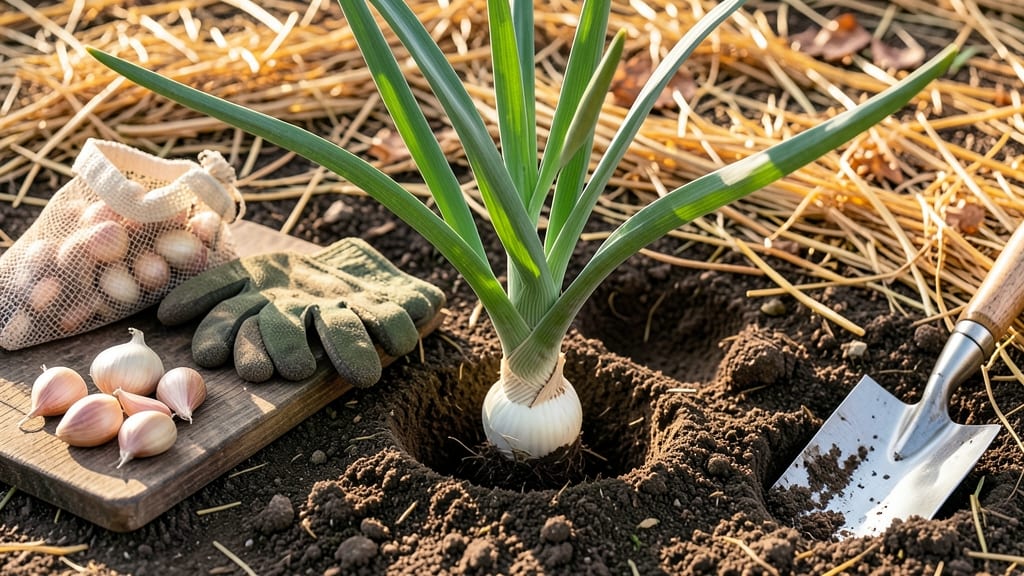
Planting garlic in Pennsylvania at the wrong time could mean the difference between a bountiful harvest of flavorful bulbs and a disappointing flop. For gardeners in zones 5b-7a, timing is everything—especially when you're growing hardneck varieties like Rocambole or German White.
Most gardeners know fall is the prime window, but the exact dates matter more than you might think. Plant too early, and your cloves could sprout before winter sets in. Too late, and they won’t establish strong roots before the ground freezes.
In Pennsylvania, the sweet spot is typically between October and November, but local microclimates can shift those dates by weeks.
I’ve tested these windows firsthand, and the results speak for themselves: bulbs planted in the ideal window yield larger, more robust harvests by late June or July.
The key is understanding how your specific zone’s frost dates interact with garlic’s growth cycle. Let’s break down the exact timing—and why it’s worth the extra effort.
Whether you’re a seasoned gardener or just starting with 🧄, this guide will help you avoid common mistakes and maximize your garlic’s potential. Ready to grow garlic that rivals store-bought? Let’s get started.
Ideal fall planting window for Pennsylvania garlic (by region & variety)
Pennsylvania’s USDA zones 5b-7a create a 6-week window for planting hardneck garlic—typically between mid-October and mid-November. This timing ensures cloves establish roots before winter dormancy while avoiding late-season heat stress.
For northern PA (zones 5b-6a), aim for October 1-15 to beat early frosts, while southern PA (zone 7a) gardeners can plant until November 15.
Hardneck varieties like Rocambole and German White thrive in PA’s climate, but timing varies slightly by microclimate. In Pittsburgh (zone 6a), plant by October 20; in Philadelphia (zone 7a), extend to November 10.
Softneck varieties (like Artichoke) can tolerate slightly later planting but are less common in PA.
Missed the fall window? Spring planting is possible but reduces bulb size by 30-50%. If you must plant in spring, use smaller cloves and expect harvests 2-3 weeks earlier than fall-planted garlic. For best results, stick to fall planting—it’s the gold standard for hardneck varieties in PA.
🌱
| Region (USDA Zone) | Best Planting Window | Key Varieties | Soil Temp Goal |
|---|---|---|---|
| Northern PA (5b-6a) | October 1-15 | Rocambole, German White | 40-50°F (4-10°C) |
| Central PA (6b) | October 10-25 | Music, Silverskin | 45-55°F (7-13°C) |
| Southern PA (7a) | October 20-November 15 | Chesnok Red, Purple Stripe | 50-60°F (10-16°C) |
| Spring Planting (Anywhere) | March 15-April 15 | All (smaller bulbs) | 55-65°F (13-18°C) |
Use a soil thermometer to confirm readiness—roots need 40-60°F soil to establish before winter. In northern PA, soil may freeze by late October, so plant 2-3 weeks earlier than southern regions. For urban gardeners, raised beds warm faster and extend the planting window by 1-2 weeks.
Pro tip: Mark your calendar for 6 weeks before your average first frost. In Erie (zone 5b), that’s October 1; in Allentown (zone 6b), it’s October 15. Adjust for microclimates—south-facing beds stay warmer longer.
Hardneck garlic needs 12-16 weeks of cold to form bulbs. Planting too late (after November 15) risks smaller harvests or no bulbs at all. If your fall is unseasonably warm, opt for earlier varieties like German White, which mature faster.
🌿
For container gardening in PA, use 10-inch deep pots and plant by October 10 (northern) or October 25 (southern). Containers freeze faster, so add 2 inches of straw mulch after planting. In Philadelphia’s zone 7a, you might even squeeze in a December planting if soil stays above 40°F.
Remember: Timing beats everything for garlic. A well-timed fall planting in PA guarantees bold, flavorful bulbs by late June or July—worth the effort! 🧄
How to adjust planting timing for Pennsylvania’s unpredictable fall weather
Pennsylvania’s fall weather can be as unpredictable as a chameleon, throwing off even the most experienced gardeners. One week might bring unseasonably warm temperatures, while the next could deliver an early frost. For garlic, these shifts mean the difference between a thriving crop and wasted cloves.
The goal is to plant when soil temperatures drop to 40-50°F—ideal for root establishment—but before the ground freezes solid.
In northern PA (zones 5b-6a), where winters arrive earlier, aim to plant by mid-October. Southern PA (zones 6b-7a) has a slightly longer window, often extending into early November.
But if your fall is unusually warm, like the 2020 heatwave that delayed frost until December, you might need to adjust. Always check your local USDA frost date and plan to plant 4-6 weeks before the first hard freeze.
🌱 Pro Tip: Use a soil thermometer to monitor temperatures. Garlic cloves planted in soil above 50°F may sprout prematurely, while soil below 32°F risks freezing before roots establish. Pennsylvania’s microclimates—like cooler mountain regions versus warmer valleys—can shift these dates by 2-3 weeks, so local observations matter.
⚠️ Watch for These Red Flags
- Late Heatwaves: If temps stay above 70°F after October 15, delay planting to avoid sprouting.
- Early Frosts: If frost hits before you plant, cover cloves with straw mulch (3-4 inches) for insulation.
- Wet Soil: Garlic hates soggy conditions—amend heavy clay soil with compost to improve drainage.
Adjust your planting window based on these conditions to avoid common pitfalls.
If you miss the ideal window, don’t panic. A backup planting in early December (with heavy mulch) can still work, though yields may be smaller. For hardneck varieties, like Rocambole or German White, timing is critical—they need cold vernalization to form bulbs.
Softneck varieties (like Artichoke) are more flexible but still benefit from a fall start.
For gardeners in urban areas, like Philadelphia or Pittsburgh, urban heat islands can delay frost by 1-2 weeks. Use a neighborhood frost calendar or ask local gardeners for insights. Even a 5°F difference can shift your planting window by a week or more.
When in doubt, err on the earlier side—garlic planted in late October will establish roots faster than cloves planted in November.
Finally, keep an eye on moisture levels after planting. Pennsylvania’s fall often brings unpredictable rain, which can lead to rot if soil doesn’t drain well. Amend beds with sand or perlite if your soil is heavy, and always plant on a dry day to avoid waterlogged cloves.
With these adjustments, you’ll turn Pennsylvania’s quirky fall into your garlic’s greatest advantage.