
Planting
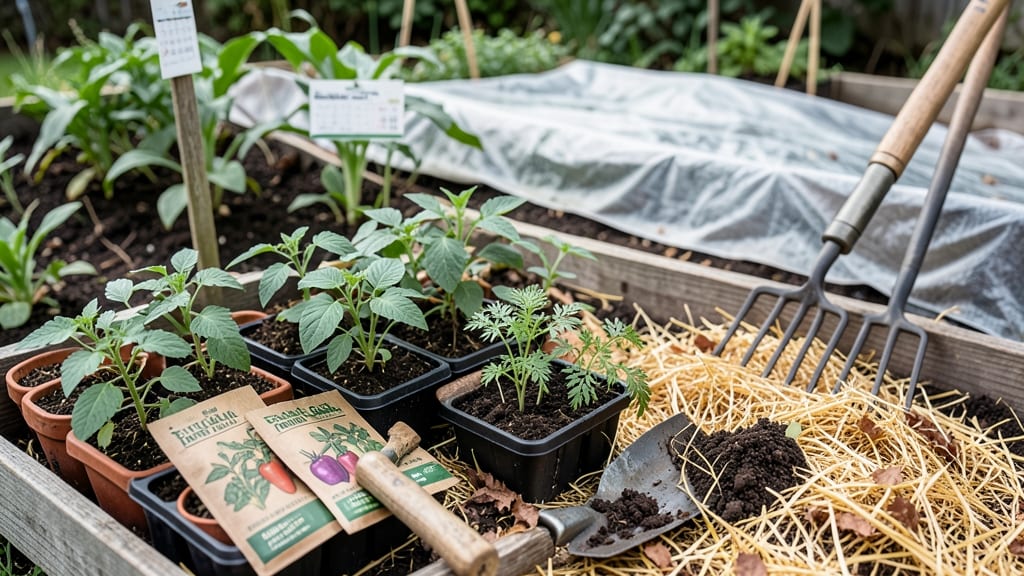
Timing your General Nebraska Garden planting wrong could mean the difference between a thriving harvest and a frost-killed disappointment—especially when Nebraska’s last frost sneaks in later than you expect.
If you’ve ever stared at your seed packets in April wondering, "Is it safe to plant yet?" you’re not alone. Nebraska’s 5a-6b zones demand precision, and missing the window by even a week can set back your 🌱 dreams.
The key isn’t guessing—it’s knowing exactly when soil warms, frost risks fade, and your crops can finally take root.
I’ll break down the microclimate-specific planting windows for every Nebraska region, from Omaha’s urban heat pockets to the Panhandle’s chilly winds. No more second-guessing—just actionable dates to maximize your garden’s potential.
Ready to turn your Nebraska garden from a gamble into a guaranteed success? Let’s dive into the perfect planting schedule tailored to your exact corner of the state.
Nebraska planting zones & last frost dates by region (2024 data)
Nebraska’s USDA Hardiness Zones 4a-6b create a unique gardening challenge, where last frost dates can vary by 2-3 weeks from east to west. Understanding your local microclimate is key to avoiding frost damage and maximizing your growing season.
Whether you're in Omaha (Zone 5b) or Scottsbluff (Zone 6a), timing is everything.
For most of Nebraska, the average last frost date falls between April 15 and May 1, but high-elevation areas like the Panhandle region can experience frost as late as May 15.
Conversely, river valleys (like the Platte River) often warm up 1-2 weeks earlier. These variations mean your planting windows should align with your specific county’s frost history.
🌱 Key Takeaway: Use the Almanac’s Frost Calculator (or local Cooperative Extension data) to pinpoint your exact last frost date—this is your planting deadline for cool-season crops like lettuce and peas.
| Region | USDA Zone | Last Frost (Avg.) | First Frost (Avg.) | Growing Season |
|---|---|---|---|---|
| Omaha | 5b | April 25 | October 15 | 175 days |
| Lincoln | 5a | April 15 | October 10 | 170 days |
| Kearney | 6a | May 1 | October 20 | 175 days |
| Scottsbluff | 6b | April 20 | October 25 | 185 days |
| Panhandle (Chadron) | 5a | May 10 | October 5 | 145 days |
🌡️ Adjust dates 1-2 weeks earlier for river valleys, later for high elevations.
For cool-season crops (e.g., spinach, broccoli, peas), plant 4-6 weeks before your last frost date. These hardy plants can tolerate light frosts and often thrive when sown early. In Omaha, that means starting seeds by mid-March, while Scottsbluff gardeners can wait until late March.
On the other hand, warm-season crops like tomatoes, peppers, and corn need soil temperatures above 50°F and no frost risk. In most of Nebraska, this translates to late April to early May.
Use a soil thermometer to confirm—60°F+ is ideal for direct sowing. In high-elevation areas, wait until mid-May to avoid surprise frosts.
Pro tip: Extend your season by using row covers or cold frames for early plantings. These tools can push your last frost protection by 2-3 weeks, giving cool-season crops extra time to mature. Just remove covers before flowering to prevent overheating.
Don’t forget about fall planting! Many Nebraska gardeners overlook the second planting window in late summer. Kale, radishes, and carrots can be sown as early as August 1 in most regions, with a first frost date around October 15. This strategy ensures a harvest before winter sets in.
To stay on track,
How to adjust planting dates for Nebraska’s microclimates (elevation & wind impact)
Nebraska’s diverse geography means your last frost date can vary by hundreds of miles—or even elevation shifts within your county. High-elevation areas like the Panhandle (USDA Zone 5a) often see frost 2-3 weeks later than river valleys like the Platte River region (Zone 6a).
This means planting tomatoes in Scottsbluff might succeed in early May, while Lincoln gardeners should wait until mid-May.
Wind is another silent saboteur. Western Nebraska’s prevailing winds can drop temperatures 5-10°F faster than sheltered areas, making windbreaks (like corn stalks or shrubs) essential for tender seedlings.
Even a 5 mph wind increases frost risk by 30%, so adjust your planting timeline by 1-2 weeks if your garden is exposed.
🔍 Soil temperature is your real deadline, not the calendar. Use a soil thermometer ($10 at garden centers) to confirm 50°F for warm-season crops (like peppers) or 40°F for cool-season crops (like spinach
In Nebraska, this often means waiting until late April to early May for most regions—but high-elevation areas may need to push to mid-May. Pro Tip: Add 2-3 weeks to your planting window if your garden is wind-swept or at higher elevation. For high-elevation gardens (1,500+ feet), aim for May 15–June 1 for warm-season crops. In river valleys, you can start 2 weeks earlier. Use row covers or cold frames to extend your season by 3-4 weeks in frost-prone microclimates. These simple tools can turn a May frost into a harvestable garden. Check frost-free probability tools like the National Weather Service’s Climate Normals for your exact ZIP code. For example, Kearney (Zone 5b) has a 10% chance of frost after May 15, while Omaha (Zone 5a) drops to 10% risk by May 22. Adjust your planting dates accordingly—this precision can mean the difference between a bountiful harvest and wilted seedlings. 🌬️ If your garden is in a wind tunnel, consider raised beds or low-profile planting (like strawberries) to reduce exposure. For windbreaks, plant tall perennials (like sunflowers or corn) on the northwest side of your garden. This can add 5-7°F of warmth to your planting area.⚠️ Microclimate Mistakes to Avoid