
Planting
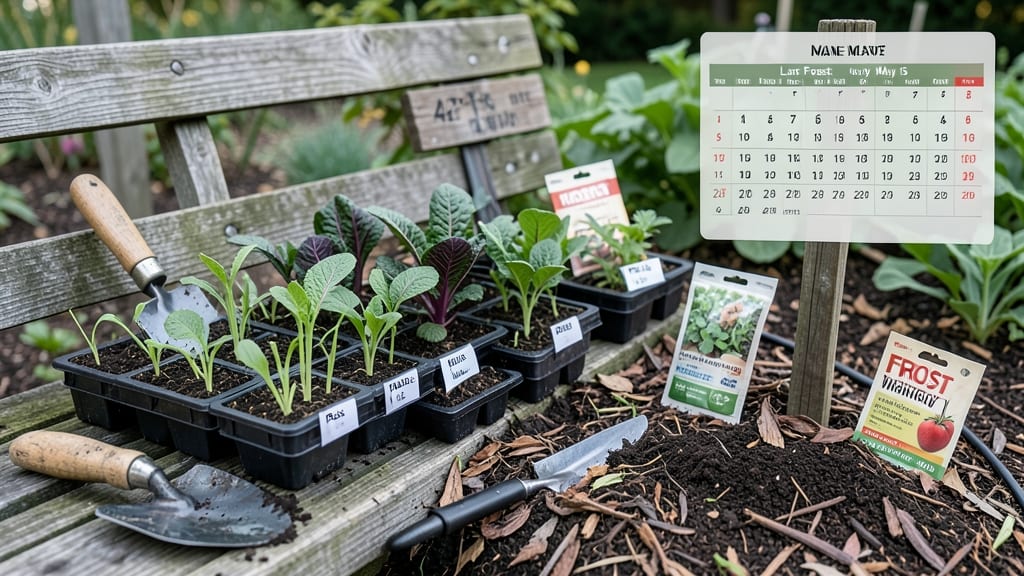
If you've ever stared at your calendar in early April wondering whether to plant your garden in Maine, you're not alone. The state's unpredictable frost dates and short growing season can turn even the most eager gardener into a second-guesser.
But here's the good news: with the right timing, you can still enjoy a bountiful harvest of both cold-hardy greens and tender vegetables.
Maine's USDA Zones 4-5 demand precision when it comes to planting. Whether you're growing kale that thrives in cool soil or tomatoes that need warmth, understanding these nuances is the key to success.
I'll walk you through the optimal windows for planting everything from peas to pumpkins, so you can make the most of Maine's unique climate.
Let's tackle the biggest challenge first: frost dates. While coastal areas might see slightly different patterns than inland regions, knowing your local averages helps you plan with confidence.
We'll also cover essential soil preparation tips to give your plants the best possible start, because even the most well-timed planting won't succeed without proper groundwork.
What you'll discover is that Maine's gardening season isn't just about when to plant - it's about working with the land's natural rhythms. From early spring crops to late summer succession planting, I'll share strategies that have helped local gardeners beat the odds and create thriving gardens year after year.
Let's get your Maine garden growing right!
Maine’s frost dates & planting timeline by crop type
Maine’s last spring frost typically arrives between May 10-20 inland and May 1-15 along the coast, while the first fall frost hits September 20-30 inland and October 1-15 in coastal areas.
These dates create a 120-150 day growing window—just enough for fast-maturing crops like bush beans but challenging for tomatoes unless you extend the season.
Coastal Maine enjoys 5-10°F warmer microclimates than inland areas, allowing earlier plantings of frost-sensitive crops. For example, cucumbers can go in by June 1 near the coast but wait until June 15 inland.
Always check UMaine Extension’s frost maps for your specific location—your neighbor’s garden might be 2 weeks ahead or behind!
Here’s how to use Maine’s frost dates to plan your cool-season vs. warm-season crops:
| Crop Type | Planting Window | Days to Maturity | Maine-Specific Tip |
|---|---|---|---|
| Cold-Hardy (Spinach, Kale, Peas) | Mid-April to May 15 | 30-60 days | Direct-sow 2-4 weeks before last frost for early harvests. Use row covers to extend fall harvests past frost. |
| Cool-Season (Lettuce, Broccoli, Carrots) | Early May to June 15 | 50-80 days | Start seeds indoors in March for transplants. Succession plant every 2 weeks to avoid bolting. |
| Warm-Season (Tomatoes, Peppers, Cucumbers) | Mid-May to June 10 (coastal) / June 15 (inland) | 60-90 days | Use black plastic mulch to warm soil 2-3°F faster. Choose early-maturing varieties like 'Stupice' tomato (55 days). |
| Fall Crops (Kale, Radishes, Turnips) | July 15 to August 15 | 30-70 days | Sow 6-8 weeks before first frost. Mulch heavily to protect roots—kale tastes sweeter after light frosts! |
| Perennials (Asparagus, Rhubarb, Strawberries) | April 15-May 1 (crowns) | 1-3 years to harvest | Plant crowns in early spring when soil is 40°F+. Asparagus needs 3 years to establish—plan ahead! |
For warm-season crops, Maine gardeners swear by soil thermometers—wait until soil hits 55°F+ for tomatoes and 60°F+ for peppers. Coastal areas like Portland can plant 2 weeks earlier than Bangor or Presque Isle, so adjust accordingly.
Pro tip: Hardening off seedlings for 7-10 days before transplanting reduces shock in Maine’s windy conditions.
Don’t overlook succession planting—this is your secret weapon for a long harvest. For example, sow bush beans every 2 weeks from June 15 to July 15 to stretch your harvest until frost. The same goes for lettuce and radishes, which bolt quickly in Maine’s summer heat.
Even zucchini can be replanted in late July for a fall crop if you protect it with frost cloth.
If you’re new to Maine gardening, start small with cold-hardy crops like peas or spinach—they’re forgiving if frost sneaks in. For warm-season crops, container gardening on patios or decks lets you move plants to sheltered spots during cold snaps.
And always keep UMaine’s frost alerts handy—those 50°F nights in June can kill tender seedlings overnight.
Remember: Maine’s growing season is short but intense. By mastering these planting windows, you’ll maximize your harvest before winter sets in—no more sad, half-grown tomatoes or bolted lettuce! The key is planning now for reliable results later.
Cold-hardy vs. frost-tender crops: Maine’s survival guide
Maine’s short growing season forces tough choices between cold-hardy crops that tolerate frost and frost-tender plants that need warmth. The difference often comes down to soil temperature and microclimate protection.
For example, kale and spinach thrive when planted as early as late April, while tomatoes and peppers won’t germinate until soil reaches 60°F—usually late May or June.
Your first step is to categorize crops by their frost tolerance. Cold-hardy vegetables like broccoli, peas, and radishes can handle light frosts, while frost-tender plants like cucumbers, melons, and eggplants need consistent warmth.
Even within categories, varieties differ—early maturing tomatoes (like 'Stupice') can squeeze into Maine’s season, but late-season varieties won’t make it.
Here’s where row covers and season extenders become your best friends. A simple floating row cover can protect frost-tender crops like lettuce or basil from unexpected late spring frosts, buying you 2-3 extra weeks of growing time.
For warm-season crops, black plastic mulch or mini greenhouses can warm soil by 10-15°F, letting you plant 2 weeks earlier.
Cold-Hardy Crops: Maine’s Early Winners
- Plant as early as late April
- Tolerate light frosts (28°F+)
- Fast-growing (30-60 days to harvest)
- Bolts in heat (May-June)
- Limited variety selection
- Short harvest window
Frost-Tender Crops: Maine’s Risky Rewards
- High-yielding (large fruits/veggies)
- Longer harvest season
- Wider variety choices
- Need 60°F+ soil
- Vulnerable to late frosts
- Require season extension
Succession planting is another Maine gardener’s secret weapon. Instead of planting all your lettuce or radishes at once, stagger plantings every 2 weeks to ensure a steady harvest.
For frost-tender crops, use container gardening—you can move tomato pots indoors if frost is forecasted, or even harvest green tomatoes and ripen them inside.
Don’t overlook perennial crops like asparagus or rhubarb, which establish roots early and produce for years. While they take 2-3 years to mature, their low-maintenance nature makes them ideal for Maine’s short season.
Pair them with annuals that mature quickly, like bush beans or zucchini, to maximize your garden’s productivity.
Pro tip: Keep a planting journal to track what works in your specific microclimate. Coastal Maine’s milder winters might let you plant spinach in early April, while inland areas near Presque Isle could wait until mid-May.
Adjust your strategy yearly based on your notes—Maine’s weather is always teaching us new lessons.