
Planting
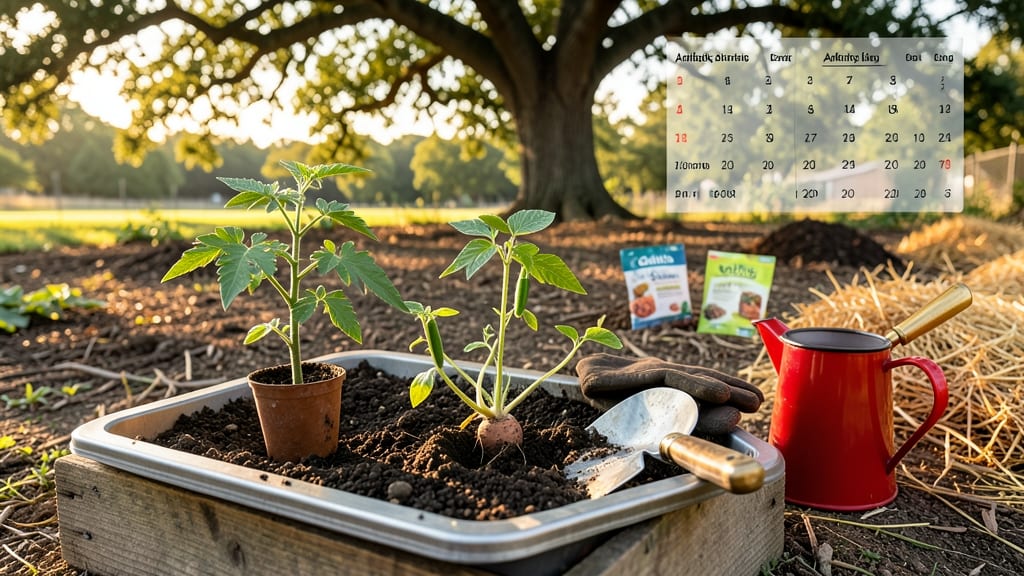
When to plant garden in Arkansas isn't just about checking a calendar—it's about reading your soil, knowing your microclimate, and avoiding that heartbreaking moment when frost turns your tender seedlings into sad, wilted memories. Arkansas gardeners face a unique challenge: while the state spans USDA zones 7a-8a, a single county can have valleys that warm up weeks earlier than nearby hills.
You might think March is your golden month, but in Zone 7a (like the Ozarks), waiting until mid-April gives seedlings a fighting chance against late frosts that can linger until March 15—or even later in shaded spots.
Meanwhile, in Zone 8a areas (think Little Rock), the soil hits that magic 60°F mark by early March, making it safe to plant heat-loving tomatoes and peppers weeks ahead of northern neighbors.
Here's the game-changer: even within these zones, your garden's success hinges on three critical factors—soil temperature, last-frost dates, and whether you're growing cool-season crops (like lettuce) or heat-seekers (like okra).
I'll break down exactly when to start seeds indoors, when to transplant outdoors, and how to adjust for Arkansas' quirky microclimates that can shift planting windows by 2-3 weeks depending on where you live.
Skip the guesswork and plant with confidence. Whether you're a first-time gardener or a seasoned green thumb, these microclimate-specific timelines will help you maximize your harvest—no frost damage, no wasted seeds, just bountiful results from March through November.
Arkansas planting zones & frost dates by region: when to start seeds indoors vs outdoors
Arkansas spans USDA hardiness zones 6b through 8a, creating dramatic differences in frost dates across the state. Northern regions like Bentonville (Zone 7a) average their last frost around March 25, while southern areas like El Dorado (Zone 8a) can plant outdoors as early as February 15.
These variations mean your indoor seed-starting timeline should shift by 4-6 weeks depending on location.
For cool-season crops like lettuce and peas, I start seeds indoors 8-10 weeks before last frost—so early March for Zone 7a and late January for Zone 8a. Heat-loving plants like tomatoes and peppers need to wait until soil warms to 60°F+, typically mid-April in the north and early March in the south.
This timing ensures zero frost risk while avoiding summer heat stress.
Here’s how to match your region to the perfect planting window:
| Region | USDA Zone | Last Frost | Start Indoors | Transplant Out |
|---|---|---|---|---|
| Northwest (Fayetteville) | 7a | March 25 | Early March | Mid-April |
| Central (Little Rock) | 7b | March 15 | Late February | Early April |
| Southeast (Jonesboro) | 7b-8a | February 28 | Early February | Late March |
| Southwest (El Dorado) | 8a | February 15 | Late January | Early March |
*Timing for cool-season crops like lettuce and broccoli. Adjust 2-3 weeks later for heat-loving plants like tomatoes.
Pro tip: Use Arkansas State University’s frost date maps (available online) to pinpoint your exact 10-year average frost dates. I’ve found these can vary by 1-2 weeks from the averages above, especially in microclimates like urban heat islands or river valleys.
For fall planting, aim to sow seeds 90-120 days before first frost (typically mid-August for northern Arkansas and early September for southern areas). Heat-tolerant varieties like malabar spinach or okra can extend your harvest window into late October in Zone 8a.
Remember: Soil temperature matters more than air temperature. Use a soil thermometer to confirm 60°F+ for warm-season crops—this often means waiting 1-2 weeks after last frost in cooler regions. My Arkansas Heatmaster tomatoes thrive when planted after soil hits 65°F, even if the air is cooler.
For herbs like basil and cilantro, I start seeds indoors 4-6 weeks before last frost—cilantro bolts in summer heat, while basil loves warm soil. Perennials like asparagus need a full growing season to establish roots, so plant crowns in early spring (March-April) for Zone 7a and late February for Zone 8a.
Track your local frost dates for 3 years to spot patterns—my Ozark Mountain garden often gets 2-3 weeks later frost than the valley below. Adjust your planting calendar accordingly to avoid frost damage or heat stress.
🌱
Microclimate adjustments: how Arkansas’ hills, valleys, and urban heat islands shift planting timelines
Arkansas’ geography creates microclimates that can shift your planting window by weeks. The Ozark Mountains in northwest Arkansas stay cooler longer, while river valleys like the Arkansas River warm up faster. Even urban heat islands in cities like Little Rock can mean soil warms 2-3 weeks earlier than rural areas.
Elevation plays a huge role—every 1,000 feet up in the Ozarks can delay spring planting by 1-2 weeks. Meanwhile, low-lying areas near the Mississippi Delta may see frost 10-14 days later than hilltops. These variations mean your neighbor’s perfect planting time might not work for you.
Water bodies also create local climate pockets. Gardens near lakes or ponds experience moderated temperatures—warmer in winter, cooler in summer. This can extend your fall planting window by 3-4 weeks compared to inland areas. Pay attention to how nearby water affects your microclimate.
| Microclimate Type | Spring Planting Shift | Fall Planting Shift | Key Adjustment |
|---|---|---|---|
| Ozark Mountains (1,000+ ft elevation) | Delay by 2-3 weeks | Extend by 1-2 weeks | Use frost cloth for late spring |
| River Valleys (Arkansas River) | Start 1-2 weeks earlier | Shorten by 1 week | Plant heat-tolerant varieties |
| Urban Heat Islands (Little Rock) | Start 2-3 weeks earlier | Shorten by 2 weeks | Use shade cloth for summer |
| Lakeside Gardens | Start 1 week earlier | Extend by 3 weeks | Plant cool-season crops later |
Urban areas like Fayetteville or Fort Smith experience heat island effects from pavement and buildings. This can make soil 10-15°F warmer than rural areas, allowing you to plant warm-season crops like tomatoes or peppers 2-3 weeks earlier.
However, this also means you’ll need to adjust irrigation to prevent drought stress.
For mountainous regions, focus on cool-season crops like broccoli or cabbage. These thrive in the cooler microclimates of the Ozarks. In contrast, valley gardens can handle heat-loving plants like okra or sweet potatoes with ease.
Always check your local USDA zone and adjust by 1-2 weeks based on your specific microclimate.
To fine-tune your timing, monitor your garden’s soil temperature with a soil thermometer. Aim for 60°F+ for most vegetables before planting. In urban heat islands, you might hit this temperature by late February, while mountain gardens may not reach it until mid-April.
This simple tool can save you from costly planting mistakes.
Remember, even within a single county, your yard’s microclimate might differ from your neighbor’s. Observe how sunlight and wind patterns affect your space, and adjust your planting calendar accordingly. With these adjustments, you’ll maximize your garden’s potential all season long. 🌱