
Trees
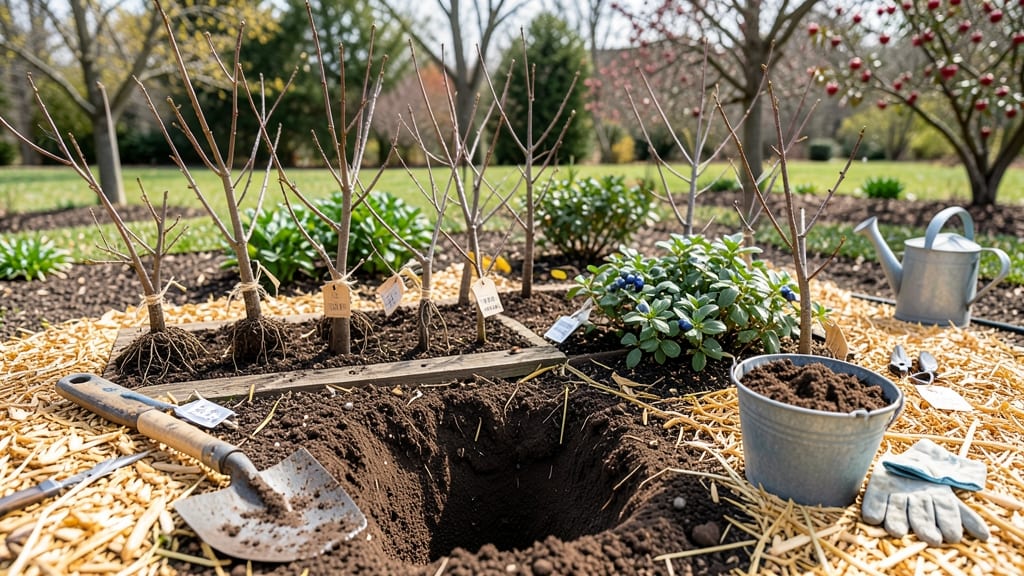
When to plant fruit trees in Massachusetts can make the difference between a thriving orchard and years of disappointment—especially when those unpredictable Zone 6a frosts still linger through May. Plant too early, and you risk stunted growth or frost damage; too late, and your trees won’t establish strong roots before winter hits.
I’ve spent years watching fruit trees take root in New England, and the late April to early June window is your golden opportunity—right after the last frost (usually around April 15). But here’s the catch: not all fruit trees are created equal.
Apples and pears play by one set of rules, while peaches and cherries demand extra care to beat the heat and humidity of summer.
Whether you’re a backyard gardener or dreaming of a full orchard, knowing the exact moment to plant ensures your trees grow stronger, faster, and with fewer headaches. Let’s break down the science behind the perfect timing—and how to avoid the 3 biggest mistakes Massachusetts gardeners make every year.
From soil prep to choosing the right varieties for your microclimate, you’ll learn how to set your fruit trees up for success—so you can enjoy that first harvest in just a few years. Ready to get growing?
Optimal planting windows for fruit trees in Massachusetts zones 5B-6B
Massachusetts' Zone 5B-6B climate means timing is everything when planting fruit trees. The last average frost date around April 15 signals the start of your planting window—but rushing too early can leave young roots vulnerable to late frosts.
Meanwhile, fall planting (late August to early October) offers a second chance, though it requires careful soil prep to protect roots before winter dormancy.
For bare-root trees, I recommend planting between late April and early June. This window lets roots establish before summer heat arrives, while container-grown trees can go in slightly later—through early July—since their roots are already protected.
The key is soil temperature: aim for 50°F or warmer at 6 inches deep to ensure root growth starts immediately.
Here’s why timing matters: Early planting (March) risks frost damage to tender roots, while late planting (July+) delays root establishment, leaving trees stressed by summer’s heat and drought. In Zone 6B areas (like southeastern MA), you’ve got a 2-3 week longer window than colder Zone 5B regions (e.g., the Berkshires).
🌱
If you’re planting in fall, focus on apple and pear varieties, which handle dormancy well. Stone fruits like peaches and cherries are trickier—their roots need time to establish before winter, so I’d avoid fall planting for them.
For urban gardeners with limited space, dwarf varieties (like Columnar Apples) can be planted through early July in containers, but move them to the ground by mid-August to harden off roots.
One mistake I see often? Planting bare-root trees too late—by June 15, roots may dry out before they can establish. Always soak bare roots in water for 1-2 hours before planting to revive them.
For container-grown trees, gently tease out roots at the bottom of the pot to encourage spreading.
For Zone 5B gardeners, I recommend early May planting as a buffer against late frosts. In Zone 6B, you can push to mid-June for container trees. The goal?
Give roots 4-6 weeks of warm soil before summer’s heat peaks. Mulch heavily (3-4 inches) with wood chips to retain moisture and regulate soil temperature.
🌿
Don’t forget: Microclimates matter. A south-facing slope in Zone 5B might warm up faster than a north-facing yard, extending your planting window by 1-2 weeks. Use a local frost calendar (like the UMass Extension maps) to pinpoint your exact last frost date.
And if you’re near coastal areas (like Cape Cod), you’ll have 2-3 weeks longer than inland zones.
Finally, test your soil pH (aim for 6.0-7.0) and amend with compost or peat moss if needed. Poor soil prep is the #1 reason fruit trees struggle in MA—even with perfect timing. A well-draining, nutrient-rich hole (twice as wide as the root ball) is non-negotiable.
☀️
Optimal planting windows for fruit trees in Massachusetts zones 5B-6B
Massachusetts' Zone 5B-6B climate demands precise timing for planting fruit trees to avoid frost damage and ensure strong root establishment. The best window spans from late April to early June, aligning with soil warming and reduced frost risk after the average last frost date (April 15).
This period gives young roots time to grow before winter dormancy.
Spring planting is ideal for bare-root trees, which should go into the ground before buds swell—typically by mid-May. Container-grown trees offer flexibility, allowing planting through early summer (June), though they require consistent moisture.
Fall planting is riskier but possible in early October if soil remains workable and frost isn’t imminent.
🌱 Key factors like soil temperature (above 50°F) and frost-free days (165+ in MA) dictate timing. Cool, wet springs delay planting, while early warm spells can trick trees into premature growth—exposing them to late frosts. Always check local USDA frost maps for your specific microclimate.
| Planting Window | Best For | Soil Temp | Frost Risk |
|---|---|---|---|
| Late April - Mid-May | Bare-root trees | 45-50°F | Low |
| Mid-May - Early June | Container-grown trees | 50-60°F | Very Low |
| Early October | Hardy varieties (e.g., apples) | 50°F+ | Moderate |
For stone fruits (peaches, plums), prioritize early spring planting—they’re less cold-hardy than apples or pears. In western MA (Zone 6B), you might push planting to early June, but eastern regions (Zone 5B) should stick to May to avoid late frosts.
Always acclimate container-grown trees for 1-2 weeks before planting.
Urban gardeners can extend the window by using black plastic mulch to warm soil faster or choosing dwarf varieties that establish roots quicker. Monitor local weather forecasts for sudden cold snaps, which can stall root growth. A 10-day forecast of stable temperatures above 45°F is your green light.
Pro tip: Plant on a cloudy day to reduce transplant shock. Water deeply immediately after planting, then mulch with 3-4 inches of wood chips to retain moisture and regulate soil temperature. This simple step can boost survival rates by 30% in MA’s variable climate.
✂️ For established orchards, avoid planting during peak summer heat (July-August), as high temperatures stress young roots. If you must plant late, choose shade-tolerant varieties like dwarf cherries and provide afternoon shade with burlap screens until roots establish.