
Flowers
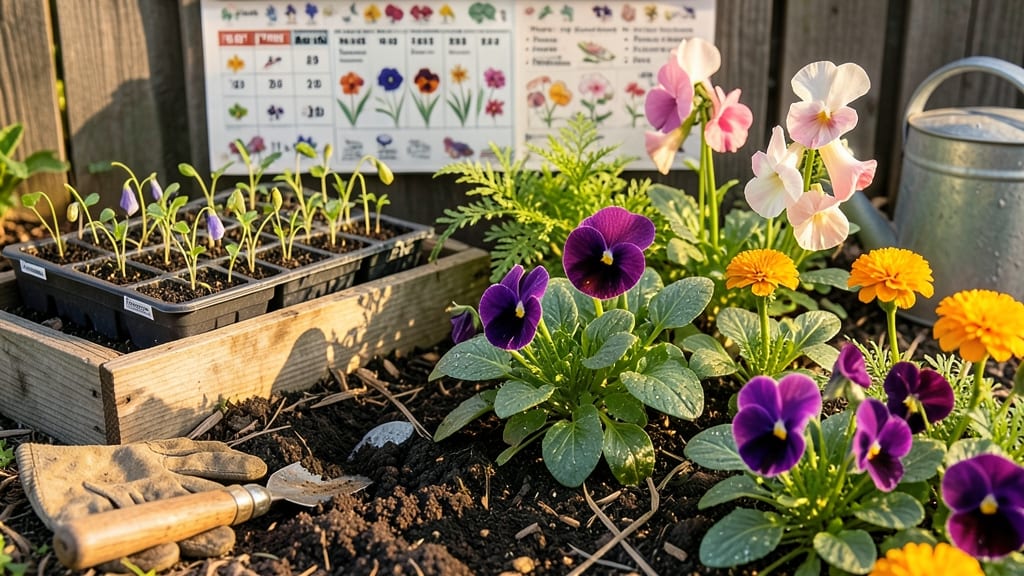
Timing your spring flower planting just right can transform your garden from a frost-killed disappointment to a vibrant, blooming paradise—if you know the secrets.
Most gardeners wait for the calendar to say "spring," but the real magic happens when you sync your planting with your local microclimate, not just the date.
In USDA Zone 6a, where last frost typically arrives around April 15, rushing to plant too early can leave your delicate 🌸 blooms vulnerable to surprise chills. The key isn’t just avoiding frost—it’s understanding how urban heat islands, valleys, or coastal breezes shift those deadlines by weeks.
I’ll show you exactly how to read your microclimate’s signals so you can plant with confidence.
Whether you’re dreaming of bold annuals like zinnias or hardy perennials like peonies, the right timing ensures stronger roots and bigger blooms. We’ll break down the ideal planting windows for your zone, plus how to adjust for late frosts or early heatwaves.
No more guessing—just science-backed deadlines tailored to your garden’s personality.
Ready to skip the trial-and-error? Let’s dive into the exact strategies that’ll have your flowers thriving from the first warm day onward—no frost casualties allowed.
Spring planting deadlines by USDA hardiness zones (with frost risk maps)
Planting flowers in spring isn’t just about picking a month—it’s about knowing your USDA hardiness zone and local last frost date. A late frost can wipe out tender seedlings overnight, while planting too early in cold zones stunts growth.
I’ve broken down the exact planting windows for zones 3 through 10, plus how to adjust for your microclimate.
For example, gardeners in Zone 3 (think Minnesota or northern New England) should wait until mid-May for most flowers, while Zone 10 (southern California or Florida) can plant annuals as early as February. The key is aligning your planting with soil temperatures, not just air temps.
🌱 Pro Tip: Use the National Oceanic and Atmospheric Administration (NOAA) frost maps or local cooperative extension services for your area’s historical frost dates. These are more reliable than generic calendars.
| Zone | Last Frost Date (Avg.) | Ideal Planting Window | Soil Temp. Threshold | Microclimate Adjustments |
|---|---|---|---|---|
| Zone 3 | May 10–20 | Late May–early June | 50°F (10°C) | Wait 2 weeks longer in valleys |
| Zone 4 | May 1–10 | Early May–mid-June | 55°F (13°C) | Urban areas: plant 1 week earlier |
| Zone 5 | April 15–May 1 | Mid-April–late May | 50°F (10°C) | Coastal: 1–2 weeks earlier |
| Zone 6 | April 1–15 | Early April–early June | 55°F (13°C) | High elevations: delay 10–14 days |
| Zone 7 | March 15–April 1 | Late March–mid-May | 60°F (15°C) | Valleys: risk of late frost |
| Zone 8 | February 15–March 15 | Early March–late April | 60°F (15°C) | Coastal: plant by February |
| Zone 9 | January 15–February 15 | Late January–early April | 65°F (18°C) | Desert: plant in fall for spring blooms |
| Zone 10 | None (year
How to adjust planting dates for your microclimate (urban vs. rural vs. coastal)Your local microclimate can shift planting windows by 2-4 weeks—even within the same USDA zone. Urban areas often experience heat islands that delay frost, while valleys and coastal zones may see earlier chills. Understanding these variations ensures your spring flowers thrive without frost damage. For example, a city garden in Zone 7 might safely plant marigolds by April 15, while a nearby rural farm could face frost until May 1. Coastal winds can also push back planting by 10-14 days due to cooler temperatures near water. Here’s how to fine-tune your timeline using soil thermometers and degree-day calculators: 🌡️ Microclimate Adjustments for Perfect Planting
Pro tip: Hardy perennials (like coneflowers) can handle light frost after planting, while tender annuals (e.g., geraniums) need consistent warmth. Always err on the side of waiting—you can’t rush spring, but you can protect new plants with row covers if frost sneaks in. Monitor your garden’s unique conditions for 3 years to spot patterns. For instance, my Zone 5 garden’s last frost shifted from May 10 to May 15 due to urban sprawl—adjusting my zinnias planting by a week saved my blooms every year. Don’t let calendar dates dictate your planting—your microclimate holds the key to zero frost loss and longer bloom seasons. 🌱 |