
Plants
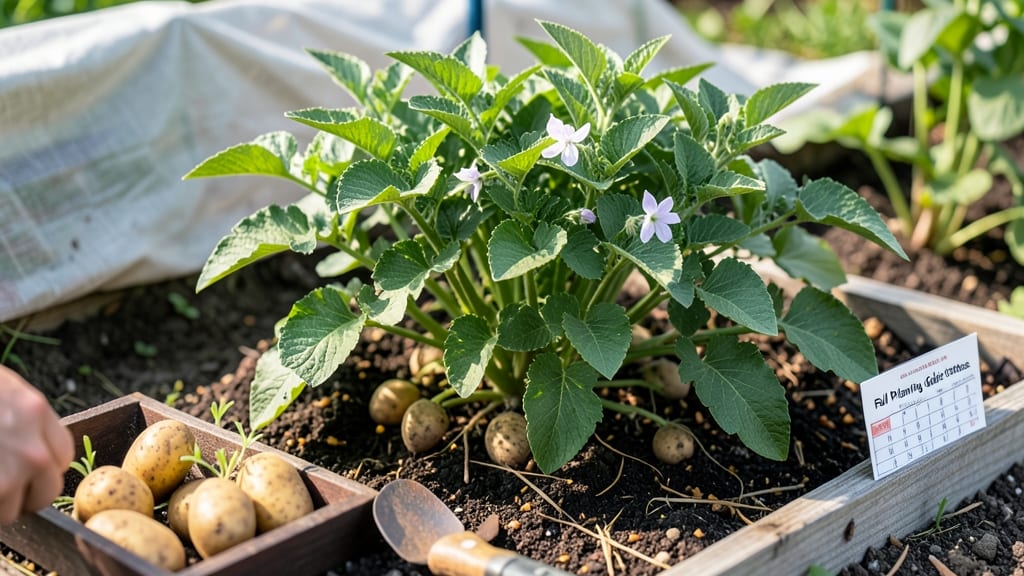
Timing when to plant fall potatoes in Zone 8 could mean the difference between a bountiful harvest and a wasted effort. The right window—4-6 weeks before frost—lets you enjoy homegrown 🥔 until winter’s first chill.
But miss it, and your crop might rot in the ground or get ruined by cold.
For Zone 8 gardeners, the clock starts ticking in late summer, when soil temperatures drop just enough to slow down sprouting but keep roots growing.
This is your chance to plant fast-maturing varieties like Yukon Gold or Red Pontiac, ensuring they reach harvest size before the first frost hits around mid-November.
I’ve learned the hard way that planting too early leads to leggy, weak plants, while waiting too long risks tubers not maturing in time. The secret? Balancing soil warmth, frost dates, and the right variety—all while keeping an eye on the calendar.
Let’s break down the exact steps to get your fall potatoes in the ground at the perfect moment.
Whether you’re a beginner or a seasoned gardener, these tips will help you avoid common mistakes and maximize your harvest. From soil prep to choosing the best varieties, I’ll walk you through everything you need to know to harvest before frost—and enjoy fresh potatoes straight from your garden.
Optimal fall potato planting dates in Zone 8 by variety type
In Zone 8, where the first frost typically arrives in mid-November, timing is everything for a successful fall potato harvest. The secret lies in planting 4-6 weeks before frost, giving tubers enough time to mature while avoiding summer heat stress.
For most varieties, this means late July to early August—but not all potatoes thrive equally in these conditions.
Your choice of variety determines your planting window. Early-maturing types like Red Norland (90 days) can go in as early as mid-July, while late varieties like Russet Burbank (120 days) must be planted by late July to avoid frost.
Let’s break down the ideal schedule for each category to maximize your yield.
Soil temperature is your best friend here. Potatoes need 45-55°F soil to sprout consistently. In Zone 8, soil temps drop below this threshold by late September, so don’t wait too long. Use a soil thermometer to confirm readiness—cool soil delays germination, wasting precious growing days.
Another pro tip: align your planting with the moon phases. For root crops like potatoes, planting during the waning moon (after the full moon) encourages tuber development. Check a lunar calendar for your region—this small adjustment can boost yields by 20-30%.
Here’s your tailored planting guide for Zone 8:| Variety Type | Days to Maturity | Planting Window (Zone 8) | Soil Temp Requirement | Notes |
|---|---|---|---|---|
| Early (e.g., Red Norland) | 90-100 days | Mid-July to early August | 45-55°F | Fastest harvest; ideal for baby potatoes |
| Mid-Season (e.g., Yukon Gold) | 100-110 days | Late July to mid-August | 45-55°F | Balanced yield; great for storage |
| Late (e.g., Russet Burbank) | 120-130 days | Early to late July | 45-55°F | High yield; needs early start |
| New Potatoes (e.g., Fingerlings) | 70-80 days | Late July to early September | 45-55°F | Harvest young for tender tubers |
For Zone 8 gardeners, the July 15-August 15 window is your sweet spot. Plant early varieties first (like Red Norland) to harvest before late-season varieties like Russet Burbank. Stagger your planting by 2-3 weeks to extend your harvest season—this technique ensures a continuous supply of fresh potatoes.
Don’t overlook moisture management during these critical weeks. Potatoes need 1-2 inches of water weekly, but avoid soggy soil—this invites rot. Use drip irrigation to deliver water directly to the roots while keeping foliage dry. Mulch with straw or grass clippings to retain moisture and regulate soil temperature.
If you’re new to potato growing, start with certified seed potatoes (not grocery-store spuds). These are disease-free and pre-sprouted for faster germination.
Cut larger tubers into 2-3 oz pieces, ensuring each has at least one eye, and let them cure in a dark place for 24-48 hours before planting. This step reduces rot and speeds up sprouting.
Pro tip: Mark your planting dates on a garden calendar with your local first frost date. Count backward from frost to determine your final planting window.
For example, if frost hits November 15, aim to harvest by November 1, meaning your 100-day variety must be planted by August 10.
For Zone 8’s unpredictable weather, consider using black plastic mulch to warm the soil and extend the growing season. Lay the mulch 2-3 weeks before planting to raise soil temps by 5-10°F, giving your potatoes a head start. Just
Finally, rotate your potato patch every year to prevent disease buildup. Avoid planting potatoes in the same spot for 3-4 years, especially if you’ve grown tomatoes, peppers, or other nightshades—these share pests and diseases. A simple rotation keeps your soil healthy and your yields high.
Optimal fall potato planting dates in Zone 8 by variety type
Fall potatoes in Zone 8 thrive when planted 4-6 weeks before your first frost date—typically mid-August to early September. This timing ensures tubers mature before winter chills set in.
But not all varieties play by the same rules: early types like Red Norland need only 90 days, while late varieties like Russet Burbank demand 120+ days. Match your variety to your timeline!
Soil temperature is critical: aim for at least 50°F (10°C) when planting. Cooler soil slows sprouting, delaying harvest. Test your soil with a thermometer—if it’s below 50°F, wait a week or use black plastic mulch to warm it faster. Moon phases also matter!
Planting during a waxing moon (right after the new moon) boosts tuber formation for sweeter, higher-yield potatoes.
Here’s how to align your planting with Zone 8’s frost window (typically mid-November). Early varieties like Yukon Gold (100 days) can go in as early as late July, while late varieties like Purple Viking (110 days) need to be in the ground by early September.
Pro tip: Use a planting calendar to track days-to-maturity backward from your frost date.
| Variety | Days to Maturity | Planting Window | Harvest Window | Notes |
|---|---|---|---|---|
| Red Norland | 90 | Late July - Early Aug | Late Oct - Early Nov | Early, cold-hardy |
| Yukon Gold | 100 | Mid-Aug | Late Oct - Early Nov | Buttery texture, waxing moon ideal |
| Red Pontiac | 110 | Early Sept | Mid-Nov (before frost) | High yield, stores well |
| Purple Viking | 110 | Early Sept | Mid-Nov (before frost) | Nutrient-dense, purple skin |
| Russet Burbank | 120+ | Late Aug (risky) | Late Nov (if frost delayed) | Best for extended seasons |
For seed potatoes (not grocery store spuds!), cut them into 2-inch chunks with at least one eye per piece. Let them cure in sunlight for 3-5 days to form calluses—this prevents rot.
Plant 4-6 inches deep in loose, well-draining soil mixed with compost. Space rows 18-24 inches apart to allow for hilling (piling soil around stems) as plants grow.
Watch for blight warnings in late summer—Zone 8’s humidity can trigger fungal diseases. If rain is forecast, apply a copper fungicide spray preventatively.
Mulch with straw or grass clippings to keep soil moist and deter pests like Colorado potato beetles. Hill soil around stems every 2 weeks to encourage more tuber formation and protect against greening (toxic solanine buildup).
Harvest 2-3 weeks before your first frost by gently digging around the base of plants. Cure potatoes in a dark, cool (50-60°F) place for 1-2 weeks to thicken skins.
Store in a ventilated container away from light—exposure turns them green and bitter. With the right timing, you’ll pull golden, crisp potatoes straight from your garden until December!