
Planting
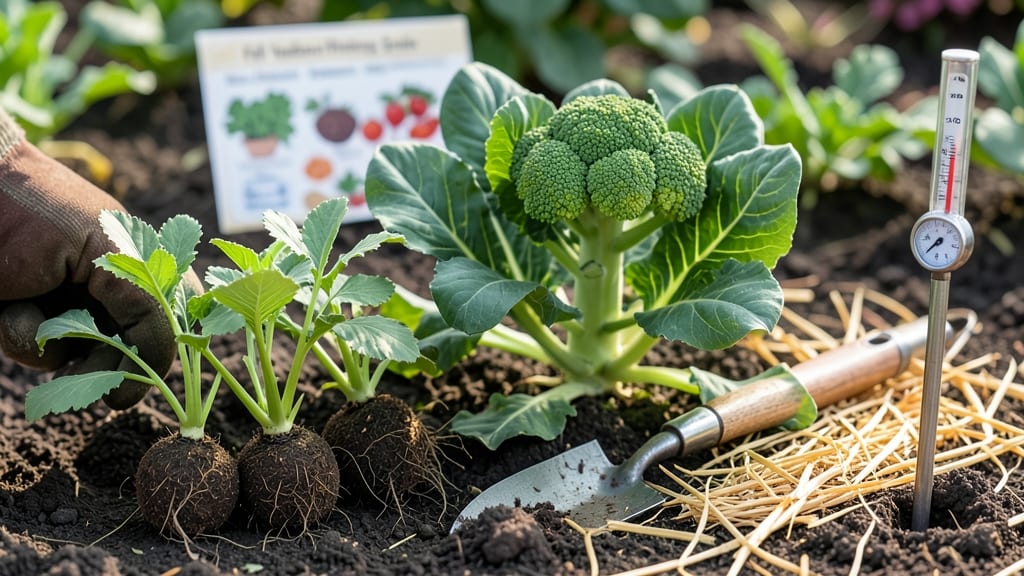
Timing when to plant a fall garden in Zone 7 could mean the difference between a bumper crop and wasted seeds—because getting it wrong means frost ruins your hard work before harvest.
Most gardeners focus on spring, but fall offers a second chance to grow fresh greens, root vegetables, and even late-season tomatoes with the right schedule.
I’ve planted in Zone 7 for years, and the key isn’t just knowing when to start—it’s understanding how soil warmth, frost dates, and crop maturity work together. Whether you’re a beginner or a seasoned gardener, these exact deadlines will help you avoid common mistakes and maximize your fall harvest.
From leafy greens that thrive in cooler weather to warm-season holdovers like peppers, we’ll break down the ideal planting windows so you can plan with confidence.
Plus, I’ll share my top tricks for extending the season—because why let frost win when you can cheat it with row covers and smart timing?
Ready to turn your backyard into a productive fall garden? Let’s dive into the precise schedule that’ll have you harvesting well into autumn.
Zone 7 fall planting deadlines by crop type (with last chance dates)
Fall gardening in Zone 7 is a game-changer for extending your harvest season, but timing is everything. The key is understanding your first frost date—typically between October 15 and November 15—and working backward from there.
Most cool-season crops thrive when planted 6-8 weeks before frost, while warm-season holdovers need earlier starts to mature before cold sets in.
For Zone 7 gardeners, this means your ideal planting window stretches from late July to mid-October, depending on the crop. Miss this window, and you risk stunted growth or frost damage. Let’s break down the exact deadlines by crop category so you can plan with confidence.
🌱 PRO TIP: Always check your local frost dates using the USDA Plant Hardiness Zone Map—Zone 7 can vary by 1-2 weeks depending on elevation or microclimates.
| Crop Type | Last Planting Date (Zone 7) | Days to Maturity | Notes |
|---|---|---|---|
| Cool-Season Greens (Lettuce, Spinach, Kale) | Mid-September to early October | 30-60 days | Plant slow-bolt varieties like 'Winter Density' lettuce. |
| Brassicas (Broccoli, Cabbage, Brussels Sprouts) | Late July to mid-August | 60-90 days | Start seeds indoors 4-6 weeks before transplanting. |
| Root Vegetables (Carrots, Beets, Radishes) | Late August to early September | 45-75 days | Use loose, well-draining soil to prevent forking. |
| Warm-Season Holdovers (Tomatoes, Peppers, Eggplant) | Late July (transplant seedlings) | 60-80 days | Choose fast-maturing varieties like 'Early Girl' tomatoes. |
| Herbs (Cilantro, Parsley, Dill) | Mid-August to late September | 30-50 days | Avoid bolting with shade cloth if needed. |
| Flowers (Pansies, Snapdragons, Calendula) | Late August to early October | 45-60 days | Perfect for fall color and pollinator support. |
If you’re planting warm-season crops like tomatoes or peppers, your window closes earlier—typically by mid-July—since they need 90+ frost-free days to mature. For cool-season crops, you can push it closer to mid-October, but always monitor soil temperatures (ideal: 45-75°F for most greens).
Pro tip: Use
How to extend your fall garden season in Zone 7 (without frost damage)
One of the biggest frustrations for Zone 7 gardeners is watching frost nip tender plants before they’re ready to harvest. But with the right techniques, you can extend your fall garden season by 4-8 weeks, pushing harvests well into November—and sometimes even December!
The secret lies in protecting plants from cold while still giving them enough sunlight and warmth to thrive.
I’ve tested these methods in my own garden, and they’ve helped me harvest spinach in December and kale through light frosts. The key is combining season extension tools with smart crop selection. Let’s break down the most effective strategies, ranked by ease and impact.
🌱 PRO TIP: Start with slow-bolt varieties of greens like 'Winter Density' lettuce or 'Winterbor' kale—they’re bred to handle cooler temps and still produce sweet, tender leaves.
🌿 Top 5 Ways to Extend Your Fall Garden in Zone 7
- Row Covers: Lightweight fabric (like Reemay) raises soil temps by 5-8°F and protects from light frosts. Perfect for leafy greens and herbs.
- Cold Frames: Unheated boxes with clear lids trap sunlight, extending harvests by 3-4 weeks. Ideal for root veggies like carrots and beets.
- Succession Planting: Sow fast-maturing crops (like radishes or arugula) every 2 weeks from August to October for continuous harvests.
- Mulch Heavily: Use straw or leaves (6+ inches) to insulate soil and keep roots warm. Prevents temperature swings that stress plants.
- Choose Hardy Varieties: Opt for cold-tolerant plants like Swiss chard, collards, or hardy peas—they’ll survive temps down to 20°F with protection.
For warm-season holdovers like tomatoes or peppers, focus on harvesting before frost and using black plastic mulch to warm soil. I’ve seen 'Early Girl' tomatoes produce fruit well into October when planted in mid-July and mulched heavily.
One mistake I see often? Over-relying on single methods. Combine row covers + mulch for maximum protection. For example, a cold frame with row cover can push harvests into December for spinach and kale.
Ready to try? Start with one technique this fall—like adding row covers to your latest greens planting—and watch your harvest season stretch longer than ever before! 🌿