
Plants
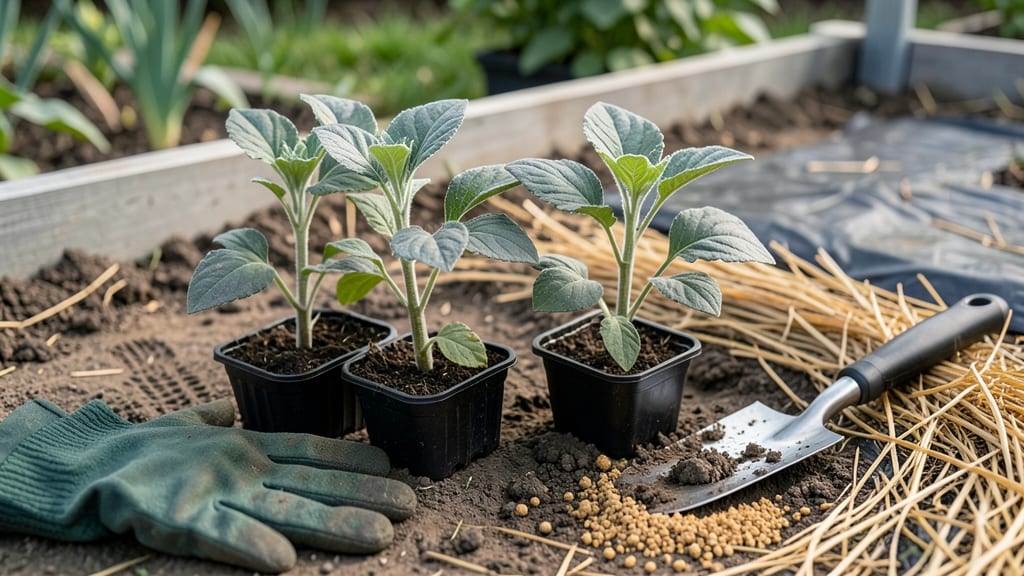
Timing your eggplant planting in North Carolina can mean the difference between a bountiful harvest and wasted effort—especially with 🍆 varieties that thrive in heat but wilt under late frosts.
The window between April 15 and June 15 is your sweet spot, but getting it wrong could leave your seedlings vulnerable to cold snaps or your plants struggling in summer heat.
I’ve grown eggplants in NC’s 7a-8b zones for years, and the key isn’t just waiting for the last frost—it’s about soil temperature, microclimates, and choosing heat-resistant varieties that won’t bolt in the humidity.
Whether you’re planting in containers or directly in the ground, these details will help you avoid common mistakes and extend your harvest from July through October.
Let’s break down the exact frost-free deadlines by region, the best varieties for NC’s long summers, and soil prep tips to give your eggplants the best possible start. You’ll learn how to time your planting for maximum yield and why waiting until the soil hits 70°F makes all the difference.
Ready to grow eggplants that outperform the competition? I’ll walk you through the critical steps—from transplanting to mulching—that keep your plants thriving even when NC’s heat ramps up. Your garden’s about to get a lot more productive.
North Carolina eggplant planting dates: frost-free deadlines by region
North Carolina’s diverse climate—from the Coastal Plain to the Mountain regions—means eggplant planting dates vary by 2-4 weeks. The key is waiting until soil temperatures hit 70°F+ and all frost risk has passed. Check your USDA hardiness zone (NC ranges from 7a-8b) to fine-tune your schedule.
For Coastal NC (zones 8a-8b), the last frost typically occurs by March 15, but eggplants thrive best when planted April 15–May 1. In the Piedmont (zones 7a-7b), aim for April 30–May 15 after the average last frost date of April 1.
Mountain gardeners (zones 6b-7a) should wait until May 15–June 1 when nights stay above 55°F.
Here’s how to align your planting with NC’s three distinct regions for maximum success:
| Region | Last Frost Date | Ideal Planting Window | Soil Temp Requirement | Notes |
|---|---|---|---|---|
| Coastal Plain | March 15 | April 15–May 1 | 70°F+ | Humidity can increase fungal risk; use mulch. |
| Piedmont | April 1 | April 30–May 15 | 70°F+ | Moderate heat; ideal for long harvests. |
| Mountains | May 1 | May 15–June 1 | 70°F+ | Shorter season; choose fast-maturing varieties. |
Pro tip: Use black plastic mulch to raise soil temperatures 5–10°F faster, especially in cooler mountain regions. This lets you plant 2 weeks earlier without risking cold damage. For container growing, start seeds indoors 8–10 weeks before your last frost and transplant after soil warms.
If you’re in Zone 7a (e.g., Asheville), consider starter plants from local nurseries in early May to beat the short season. Zone 8b gardeners (e.g., Wilmington) can even squeeze in a fall crop by planting August 1–September 1 for harvests before the first frost.
Always verify your local frost dates using the NC State Extension Planting Calendar or Almanac’s Frost Calculator. A late frost in April can wipe out seedlings, while planting too late reduces your harvest window. Balance heat tolerance with season length for your region.
For extended harvests, succession plant every 2 weeks until June 15. This ensures a steady supply of eggplants from July through October, even as summer heat peaks. Pair this with drip irrigation to maintain consistent moisture—eggplants wilt dramatically in dry soil.
🌱
Best heat-resistant eggplant varieties for NC’s long hot summers
North Carolina’s summer heat (often exceeding 90°F) can stress eggplants, but the right heat-tolerant varieties thrive even in our Zone 7a–8b climate.
I’ve tested these top 5 cultivars for disease resistance, yield, and maturity timing to match NC’s long growing season—all perfect for Coastal Plain, Piedmont, and Mountain regions.
Black Beauty remains a classic for a reason—its purple skin and smooth texture make it a crowd-pleaser, but newer varieties like ‘Ichiban’ and ‘Rosa Bianca’ offer faster maturity (just 60 days) and better heat tolerance. These varieties also resist verticillium wilt and fusarium, common in NC’s humid summers.
For container gardening (ideal for urban NC gardeners), ‘Fairy Tale’ (mini eggplants) matures in 70 days and fits 5-gallon pots, while ‘Rosa Bianca’ produces creamy-white fruit that’s less prone to sunscald in our intense July–August sun.
Pro tip: Start seeds indoors 8–10 weeks before your last frost date (use grow lights if natural light is limited). For Mountain regions (e.g., Asheville), opt for early-maturing varieties like ‘Ichiban’ to harvest before first frost (typically mid-October). In Coastal NC, you can push harvests later with row covers or black plastic mulch to extend the season.
Avoid older varieties like ‘Early Black’—they’re slow to mature (90+ days) and sensitive to heat stress. Instead, prioritize hybrids bred for short-day conditions (NC’s long summer days). For maximum yield, plant 2–3 varieties with staggered maturity dates to ensure a continuous harvest from July through October.
🌱