
Plants
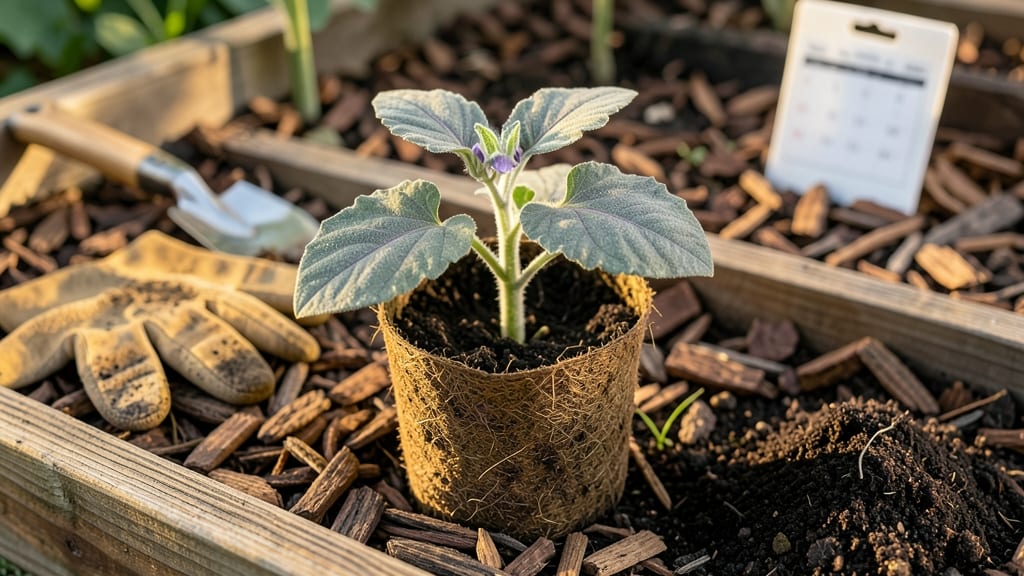
Timing your eggplant planting in Georgia wrong could mean wasted effort—or worse, lost plants to late frosts. The April 15 to June 15 window exists for a reason, and understanding why it works is the key to a thriving 🍆 harvest.
Georgia's 7b-8b climate gives you a long growing season, but eggplants are heat-lovers that won't tolerate cold snaps. That's why planting too early—even with seedlings—can leave your plants struggling when unexpected frosts roll in after March 15.
In this guide, I'll break down exactly when to start seeds indoors versus transplanting hardy seedlings, plus how to read Georgia's microclimates to extend your harvest into October.
You'll learn the 70°F soil temperature rule that makes all the difference and how spacing plants 18-24 inches apart prevents disease while maximizing yield.
Whether you're a first-time gardener or a seasoned grower, these heat-resistant strategies will help you avoid common mistakes and enjoy homegrown eggplants from July through the first frost. Let's get your planting schedule right the first time.
Georgia eggplant planting calendar: frost-free timeline for seedlings and transplants
Georgia’s USDA zones 7b-8b offer a 215-day frost-free window, perfect for eggplant’s 75-120 day harvest time. But timing your seedlings vs. transplants makes all the difference—plant too early, and late frosts will kill tender starts. Let’s break down the optimal frost-free schedule for Georgia’s microclimates.
Most of Georgia’s last frost date falls around March 15, but northern regions (like Atlanta) can see frosts until April 1. Southern areas (like Savannah) warm up faster, with no frost risk after March 1. Always check your local extension office for precise dates.
For direct-sown seeds, wait until soil reaches 70°F+—typically mid-April to early May in most of Georgia. Seedlings, however, need warmer soil (75°F+) and can go in 2-3 weeks later than seeds. Here’s how to align your planting with Georgia’s heat:
| Planting Method | Optimal Time (Georgia) | Soil Temp Requirement | Frost Risk | Notes |
|---|---|---|---|---|
| Direct-Sown Seeds | Mid-April to early May | 70°F+ | Low (after last frost) | Slower germination; needs consistent warmth |
| Transplanted Seedlings | Late April to early June | 75°F+ | None (if after frost) | Faster growth; higher success rate |
| Fall Planting (Late Season) | Late July to early August | 70°F+ | Moderate (first frost Nov 15) | Harvest before frost; shorter season |
If you’re starting seeds indoors, begin them 8-10 weeks before your last frost date. For most of Georgia, that means mid-January to early February. Use grow lights to ensure 14-16 hours of light daily—eggplants need plenty to prevent leggy seedlings.
For direct sowing outdoors, mark your calendar for April 15 to May 1 in northern Georgia and March 15 to April 1 in southern regions. Use a soil thermometer to confirm warmth—eggplants won’t thrive in cold soil, even if air temps are mild.
Pro tip: Hardening off seedlings is critical. Acclimate them outdoors for 7-10 days before transplanting by gradually increasing their time outside. Start with 1-2 hours/day in partial shade, then move to full sun. This reduces transplant shock and boosts survival rates.
Georgia’s summer heat can also play tricks—if you plant too late (after June 15), your eggplants may struggle with blossom drop from extreme temps. Balance your schedule between frost risk and heat stress for the best results.
Remember: Eggplants are heat lovers, but they hate cold soil. Always prioritize soil temperature over air temperature when planning your planting window. With the right timing, you’ll enjoy a bountiful harvest from July to October.
🌱
Georgia eggplant planting calendar: frost-free timeline for seedlings and transplants
Georgia’s 7b-8b climate gives you a long growing season, but eggplants need warm soil (70°F+) to thrive. Planting too early—even with seedlings—risks stunted growth or frost damage.
The April 15 to June 15 window aligns with Georgia’s last frost date (March 15) and ensures your plants get the heat they crave.
For direct sowing, wait until mid-May when soil temperatures consistently stay above 70°F. If you’re starting seeds indoors 8-10 weeks before last frost (around February), you’ll have hardy transplants ready by early April. This head start helps you beat Georgia’s unpredictable spring weather.
Here’s how Georgia’s microclimates affect your planting schedule:
Northern Georgia (e.g., Atlanta) may need to wait until early May due to cooler microclimates, while southern regions (e.g., Savannah) can plant as early as April 1. Always check your local frost-free date—Georgia’s ranges from March 15 (south) to April 1 (north).
Spacing is critical: Plant eggplants 18-24 inches apart in rows 2-3 feet apart to prevent disease and maximize airflow. This spacing also helps Georgia’s intense summer sun from scorching leaves, which can reduce yields by up to 30%.
For a second harvest, consider fall planting in late July or early August. Eggplants mature quickly (60-75 days), so you can enjoy fruit into October before the first frost hits (November 15). Just be prepared to use row covers if temperatures dip below 50°F at night.
Pro tip: Use a soil thermometer to confirm warmth before planting. Georgia’s clay-heavy soils can stay cold longer, so raised beds or black plastic mulch can add 5-10°F to soil temperature faster than ground planting.