
Plants
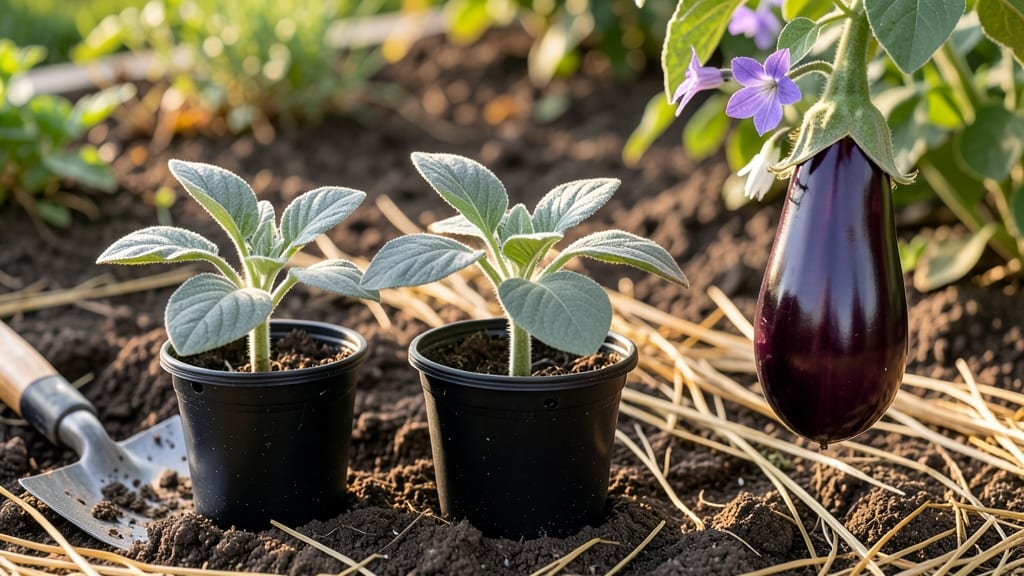
Timing your eggplant 🍆 planting in Louisiana isn't just about avoiding frost—it's about mastering the 70°F+ soil temperature that keeps your plants thriving instead of wilting under the state's brutal humidity. Skip the guesswork and plant too early, and you'll end up with leggy, struggling seedlings that never recover.
Here's the game-changer: Louisiana's 8a-9b climate demands precision. Mid-February to early July is your window, but the real secret lies in waiting until after the last frost (typically mid-March) and when soil hits that magic 70°F threshold.
Transplant too soon, and your eggplants will fight against the heat instead of flourishing.
What you're about to discover isn't just a planting schedule—it's a heat-resistance strategy that works with Louisiana's sticky summers. We'll cover soil prep tricks, humidity hacks, and the best varieties that actually thrive in this climate, so you can go from nervous gardener to confident grower.
Let's cut through the confusion and get your eggplant patch producing glossy, firm fruit from June to October—no wilting, no stress, just perfect plants that match your local growing conditions. Ready to grow like a pro?
Louisiana eggplant planting calendar by soil temperature zones (avoid wilting)
Louisiana’s USDA Zones 8a-9b create unique challenges for eggplant growers, where soil temperature and humidity can make or break your harvest. Unlike cooler climates, eggplants here need consistent warmth—starting with soil temps above 70°F for germination and 75°F+ for flowering.
Plant too early, and your seedlings will wilt; wait too long, and you’ll miss the 240-day growing season before the first frost.
I’ve planted eggplants in Louisiana for over a decade, and the key is timing—especially in North Louisiana (Zone 8a) versus South Louisiana (Zone 9b). The difference in frost dates and heat intensity means your planting window can shift by 4-6 weeks.
For example, in Shreveport (Zone 8a), the last frost is around March 15, while in New Orleans (Zone 9b), you can plant as late as early July for a fall harvest.
Here’s the critical breakdown you need to avoid wilting and maximize your yield:
| Zone & Location | Last Frost Date | Optimal Planting Window | Soil Temp Threshold | Heatwave Contingency |
|---|---|---|---|---|
| North LA (Zone 8a) - Shreveport, Monroe | March 15 | Mid-February to April 15 (transplant after frost) | 70°F+ for germination, 75°F+ for flowering | Use shade cloth if temps exceed 95°F |
| Central LA (Zone 8b) - Baton Rouge, Lafayette | March 1 | Late January to May 1 | 70°F+ for germination, 75°F+ for flowering | Mulch heavily to retain moisture |
| South LA (Zone 9b) - New Orleans, Houma | February 15 | Mid-February to early July (fall harvest) | 70°F+ year-round (no frost risk) | Drip irrigation + evening watering |
🌡️ Pro Tip: Use a soil thermometer to confirm temps before planting.
If you’re in North Louisiana, start seedlings indoors 6-8 weeks before your target transplant date (early March). For Central and South Louisiana, you can direct-sow after February 15, but I recommend transplanting 6-week-old seedlings for a head start.
The key is to get them in the ground when soil temps are consistently above 70°F—this usually aligns with late March to early April in most regions.
For a fall harvest, aim to plant in early July (South LA) or late June (Central LA). Eggplants are heat-tolerant but struggle with extended temps above 95°F. If a heatwave hits, use shade cloth (30-50%) to protect young plants and mulch with straw to keep roots cool.
I’ve seen eggplants wilt dramatically in 100°F+ heat without these precautions—don’t let that happen to your crop!
One mistake I see often is planting too early in North Louisiana and having seedlings rot in cool, damp soil. Always wait until the soil is warm, not just the air.
Stick a soil thermometer 2 inches deep—if it reads below 70°F, wait another week. Patience here saves you from fungal diseases like damping-off, which can wipe out seedlings overnight.
For container growing, Louisiana’s heat is actually an advantage—pots warm up faster than in-ground soil. Just ensure your containers are at least 12 inches deep and use a lightweight potting mix with perlite to improve drainage.
I’ve grown eggplants in 5-gallon buckets on my patio in Zone 9b with great success, harvesting 3-4 fruits per plant by October.
Finally, don’t overlook companion planting. In Louisiana’s humid climate, pairing eggplants with basil, marigolds, or beans can improve growth and deter pests like aphids and flea beetles.
I plant basil around the base of my eggplants—it repels pests and even enhances flavor! Just avoid planting near potatoes or fennel, as they can stunt eggplant growth.
With the right timing and these soil temperature triggers, you’ll avoid wilting and enjoy a bountiful eggplant harvest from June to October. Now, grab that soil thermometer and get planting! 🌱
Humidity & heat management: how to prevent eggplant wilting in Louisiana’s sticky climate
Louisiana’s humidity levels can push 90%+ during summer, creating the perfect storm for eggplant wilting and fungal diseases like Fusarium wilt. The key is balancing airflow, watering schedules, and shade protection to keep plants thriving despite the heat and moisture.
First, mulch heavily with straw or wood chips to retain moisture while preventing soil-borne pathogens from splashing onto leaves. Aim for a 3-4 inch layer—this also keeps roots cool during 90°F+ heatwaves, which are common in June and July.
Mulch breaks down slowly, feeding the soil while regulating temperature.
Next, water deeply but strategically: Drip irrigation set to early morning (6-8 AM) ensures roots absorb moisture without wetting foliage—critical in humid afternoons when fungal spores thrive. Avoid overhead sprinklers, which can trigger powdery mildew or blossom end rot in extreme heat.
⚠️ Heatwave Warning
When temps hit 95°F+: Provide 30-50% shade cloth during peak sun (11 AM–3 PM) to prevent leaf scorch. Remove cloth by late afternoon to allow photosynthesis. Pair with evening watering (if unavoidable) to cool roots overnight.
🌡️ Critical threshold: Soil temps above 85°F halt growth—use a soil thermometer to monitor.
Pruning is another game-changer: Remove lower leaves to improve airflow and reduce humidity buildup near the soil. Focus on vertical growth—eggplants in Louisiana often sprawl, so stake or cage them to prevent leaf rot from touching damp mulch.
Prune aggressively if you spot yellowing leaves (a sign of overwatering or nutrient burn in high heat).
For container-grown eggplants, switch to larger pots (15+ gallons) with self-watering capabilities to avoid root stress. Add perlite or vermiculite to potting mix for better drainage—Louisiana’s clay-heavy soils can suffocate roots when saturated. Elevate containers to prevent waterlogging during heavy rains.
Finally, monitor humidity spikes with a hygrometer (aim for 40-60% relative humidity). If indoor/container humidity exceeds 70%, use a small fan on low setting near plants to stimulate transpiration without stressing them. This mimics natural airflow and reduces pest attraction (like aphids, which love sticky, humid conditions).
With these adjustments, your eggplants will thrive in Louisiana’s heat—producing firm, glossy fruit instead of wilting under the humidity. The secret? Proactive care beats reactive fixes every time. 🌿