
Plants
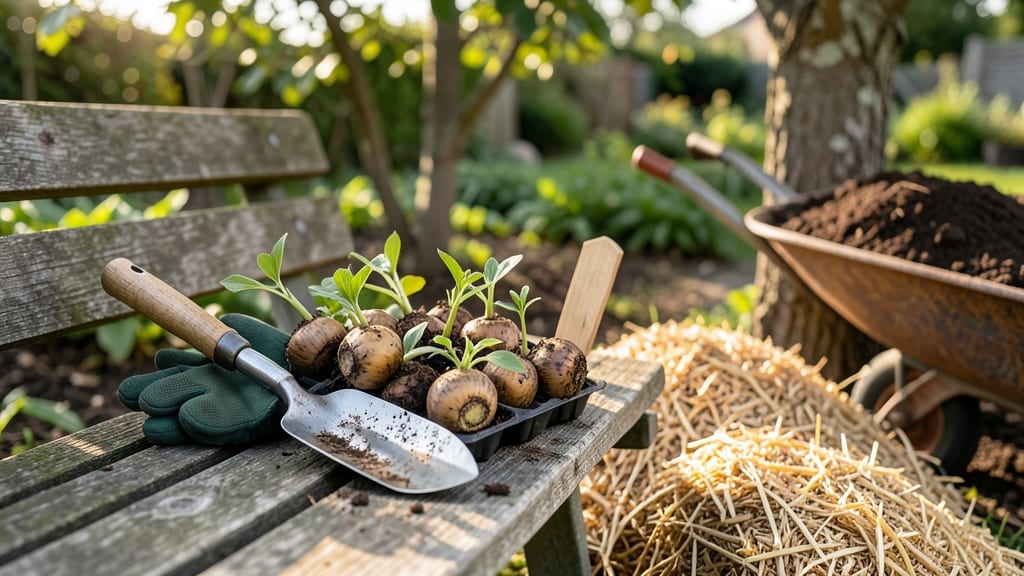
Planting dahlias in Vermont feels like a high-stakes game of timing—get it wrong, and you might lose those stunning blooms before they even begin.
The key to success lies in understanding your local frost dates and soil conditions, especially in zones 4b-6a, where chilly springs can delay the growing season.
Most gardeners in Vermont wait until mid-April to mid-May to plant dahlias, but the real secret is waiting until the soil warms to at least 60°F. This ensures your tubers won’t rot in cold, damp ground, giving your dahlias the best chance to thrive.
Even if you’re eager to get started, patience pays off.
What sets Vermont apart is how quickly the seasons shift—one week of unseasonably warm weather can trick you into planting too early. That’s why I’ll break down exactly when to plant based on your specific region, from Burlington’s cooler climate to the slightly warmer pockets of southern Vermont.
Whether you treat dahlias as annuals or perennials, these strategies will help you maximize their summer blooms and even extend their season with a few simple tricks. Let’s make sure your garden is bursting with 🌼 come July!
Vermont’s frost-free dates for dahlias: exact planting windows by region
Vermont’s Zone 5B-6A climate means your dahlia planting window hinges on last frost dates that shift by region. In Burlington, the average last frost occurs around May 15, while Rutland typically sees its last frost by May 10.
Southern Vermont—like Bennington—often warms up even earlier, around May 5. These dates are your frost-free deadlines for planting dahlia tubers outdoors.
But here’s the catch: soil temperature matters just as much as air temperature. Dahlias won’t thrive until the soil reaches at least 60°F. In Vermont, this usually aligns with late May, especially in cooler microclimates like the Adirondacks or Green Mountain foothills.
Use a soil thermometer to confirm—planting too soon in cold soil stunts root growth and invites rot.
For container gardening, you’ve got a 2-week advantage. Pots warm up faster, so you can plant dahlia tubers in containers as early as mid-May in most of Vermont. Just ensure your containers have drainage holes and use a lightweight potting mix to prevent waterlogged roots.
🌼
If you’re pre-sprouting tubers indoors (a smart move for Vermont’s short season), start them 6–8 weeks before your target outdoor planting date. For Burlington, that means early April. Place tubers in moist peat moss or a seed-starting mix and keep them in a warm, bright spot (70°F).
Once sprouts reach 3–4 inches, they’re ready to harden off and transplant.
For late bloomers, consider staking or cages at planting time. Vermont’s summer winds can topple tall varieties like ‘Karma Choc’ or ‘Gallery Pink’. Bury stakes 6 inches deep and tie stems gently with soft plant ties as they grow. This prevents root disturbance later in the season.
Pro tip: Mulch heavily after planting to retain soil warmth. Use straw or shredded leaves (3–4 inches thick) to insulate roots and suppress weeds. In Vermont, organic mulch also improves soil as it breaks down, giving your dahlias a nutrient boost all summer.
Remember, fall frost in Vermont typically hits around September 20. To extend your dahlias’ season, cut back foliage after the first frost and dig up tubers before hard frost sets in.
Store them in a cool, dark place (like a basement) until next spring—this ensures you can replant annually and enjoy their bold blooms year after year.
🌿
How to extend your dahlias’ growing season in Vermont’s short summers
Vermont’s short growing season can feel like a race against time for dahlias, but with the right strategies, you can transform a 165-day frost-free window into a prolonged bloom festival. The key is starting early and protecting your plants from late frosts.
I’ve learned that pre-sprouting tubers indoors and using row covers can add 4-6 extra weeks of vibrant color to your garden.
Begin by chitting your dahlia tubers in late March or early April. Place them in a tray with moist peat moss, keeping them in a bright, warm spot (65-70°F).
This jumpstarts growth so they’re ready to plant outdoors as soon as the soil warms to 60°F or above. For most of Vermont, this means mid-to-late May, depending on your microclimate.
🌱
- 1. Pre-sprout tubers indoors (4-6 weeks before last frost) to get a head start on growth.
- 2. Use row covers (like Reemay) to protect young plants from late spring frosts (28°F tolerance).
- 3. Plant in containers for mobility—move pots indoors or to a garage when nighttime temps drop below 50°F.
- 4. Mulch heavily with straw or leaves (6+ inches) to insulate roots and retain warmth.
- 5. Deadhead regularly to encourage continuous blooming until the first hard frost in mid-September.
For container gardeners, black plastic pots absorb and retain heat better than traditional terracotta. Place them on elevated stands to improve drainage and prevent soil from getting too cold.
If a late frost threatens in May, cover your containers with bubble wrap or frost cloth—even a 5°F drop can damage tender new growth.
As summer winds down, focus on preparing dahlias for dormancy. In early October, when nighttime temps consistently drop below 40°F, cut back foliage to 6 inches and lift tubers from the ground.
Store them in a cool, dry place (40-50°F) with minimal light. This ensures they’ll be ready to chit again next spring, giving you a two-year head start on your neighbors!
🌿
Pro tip: Mark your calendar for September 15th—this is when I start monitoring nighttime temps. If frost is forecast within 10 days, it’s time to protect your plants or begin the digging process.
With these extensions, you can enjoy dahlias from early July through October, making your garden the envy of the neighborhood!