
Plants
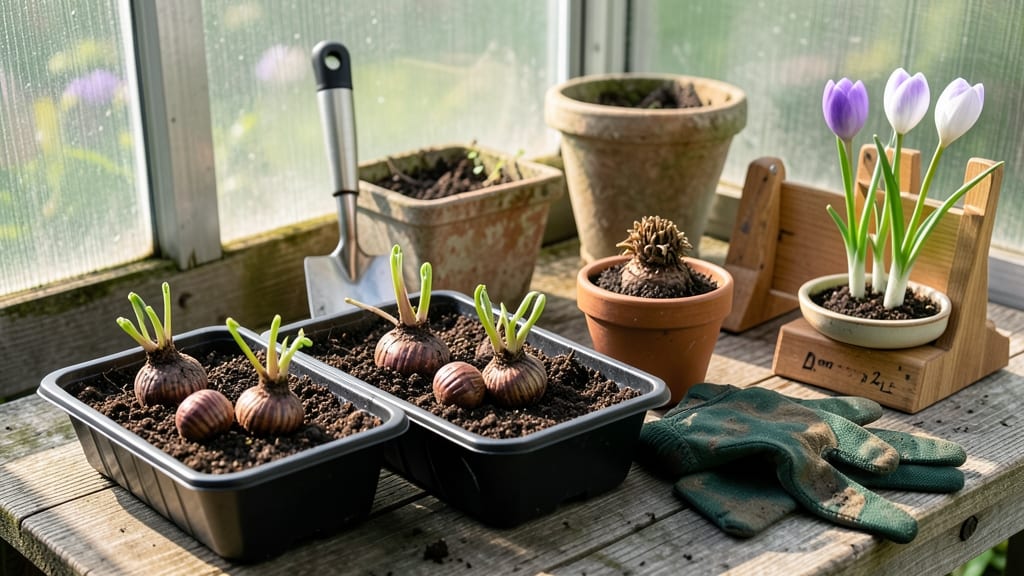
Planting dahlias in New Zealand isn’t one-size-fits-all—get the timing wrong, and your 🌼 dahlias might bolt or fail to thrive. With frost dates shifting from August in inland regions to September on the coast, knowing your local window is the key to vibrant blooms. Whether you're in sun-drenched Northland or cooler Canterbury, the right moment depends on soil warmth and frost risk.
Most gardeners wait until after the last frost, but in NZ’s varied climate, that could mean anything from late August in inland areas to mid-September near the coast.
The secret? Monitor soil temperatures—dahlias need 10°C (50°F) or warmer to sprout reliably. Planting too early risks frost damage, while waiting too long can stunt growth before summer’s peak.
If you’re eager to jumpstart your garden, you can pre-sprout tubers indoors in August for a head start, then transplant after the frost-free date. But for beginners, sticking to the September-November window ensures success with minimal fuss.
Let’s break down the exact timing for your region—so you can enjoy those showstopping blooms from February to May.
Ready to transform your garden? I’ll walk you through region-specific planting dates, soil prep tips, and how to choose the best dahlias for your climate—so you’re not guessing, but growing with confidence.
NZ dahlia planting dates by region: frost-free timing guide
New Zealand’s climate zones create a 2-4 week difference in ideal dahlia planting times. In Northland and Auckland, the last frost risk typically passes by mid-August, while Dunedin and Central Otago gardeners should wait until mid-October to plant.
Understanding your region’s frost-free window is critical—dahlias won’t survive frost and may take 6-8 weeks to establish strong roots.
For subtropical coastal areas like Gisborne and Bay of Plenty, late August to early September is perfect. Meanwhile, inland South Island regions like Canterbury and Otago need to wait until late September due to colder nights.
Even a light frost can damage emerging shoots, so timing matters more than you’d think!
🌼
| Region | Avg. Last Frost | Ideal Planting Window | Soil Temp. Goal |
|---|---|---|---|
| Northland | Mid-August | Late August - Early Sept | 12°C+ |
| Auckland/Waikato | Early Sept | Mid-Sept - Early Oct | 10°C+ |
| Bay of Plenty | Late Aug | Late Aug - Early Sept | 11°C+ |
| Christchurch | Mid-Sept | Late Sept - Early Oct | 9°C+ |
| Dunedin/Otago | Mid-Oct | Late Oct - Early Nov | 8°C+ |
If you’re in a transition zone (like Wellington or Nelson), check your local MetService frost alerts—these areas can swing between warm coastal and cool inland microclimates. I recommend planting 2-3 weeks after your region’s average last frost date to be safe.
For example, if frost typically ends on September 15th, wait until October 1st to plant.
Pro tip: Use black plastic mulch in cooler regions to warm soil faster and extend your planting window by 1-2 weeks. This trick works especially well in Canterbury and Otago, where soil stays cold longer.
Always test soil temperature with a thermometer—dahlias need at least 10°C for roots to activate.
For early blooms, some gardeners in Northland and Auckland start tubers indoors in July to get a 4-6 week head start. However, this requires grow lights and careful hardening-off before transplanting.
If you’re new to dahlias, I’d recommend sticking to outdoor planting after the last frost—it’s simpler and just as effective.
🌱
One common mistake is planting too early in cooler regions. I’ve seen dahlias planted in August in Canterbury only to rot in cold soil or get frost-nipped. Always prioritize soil temperature over calendar dates—your dahlias will thank you with healthier roots and bigger blooms all season.
Need more precision? Check NIWA’s frost maps or ask your local nursery for their last frost observations. Every year brings slight variations, so flexibility is key. With the right timing, your dahlias could be blooming by December—just in time for summer!
✂️
How to prepare dahlias for NZ’s unique climate zones
Preparing dahlias for New Zealand’s varied climate isn’t just about timing—it’s about soil warmth, frost protection, and tuber hardening. In cooler regions like Canterbury, tubers need extra care to avoid rot or frost damage, while subtropical Northland gardeners can plant earlier.
The key is monitoring soil temperatures and adjusting your approach based on your local microclimate.
Start by chitting tubers indoors in August for a head start. Place them in a bright, frost-free spot (like a greenhouse or sunny windowsill) with the eyes facing upward.
This encourages early sprouting, giving your dahlias a 2-4 week advantage once the ground warms. For regions with late frosts (e.g., inland South Island), this step is almost essential.
Before planting outdoors, harden off your tubers by gradually exposing them to outdoor temperatures over 7-10 days. Start with a few hours in a sheltered spot, then increase exposure. This reduces transplant shock and helps roots adapt to cooler soil.
Skip this step only if your region has consistently warm soils by September (e.g., Northland or Bay of Plenty).
Soil preparation is non-negotiable. Dahlias thrive in well-draining, nutrient-rich soil with a pH of 6.0–7.0. Mix in compost or aged manure to improve fertility, and avoid heavy clay soils that retain moisture. In waterlogged areas, raise beds or amend soil with perlite or coarse sand. A mulch layer (straw or wood chips) helps retain moisture and regulate soil temperature—critical for slow-warming regions like Otago.
🚨 WARNING: Premature planting is the #1 mistake in NZ gardens. Even if your last frost was weeks ago, soil temperature (not air temperature) determines success. Use a soil thermometer—dahlias need 10°C (50°F) or warmer at a depth of 10cm (4 inches).
In cooler zones, wait until mid-to-late September to avoid stunted growth. If you’re unsure, plant in containers for flexibility to move indoors if frost threatens.
- Inland areas (e.g., Canterbury, Central Otago): Wait until mid-September—earlier planting risks blackened tubers.
- Coastal regions (e.g., Auckland, Wellington): Late August is safe if soil is warm, but cover with fleece if nights dip below 5°C.
- Subtropical zones (e.g., Northland, Gisborne): Plant as early as late July, but protect from unexpected cold snaps.
For gardeners in high-altitude or inland zones, consider extending the season with a cloche or cold frame. These create a mini greenhouse effect, allowing you to plant 2-3 weeks earlier without frost risk.
Alternatively, grow dahlias in large containers (at least 30cm deep) and move them to a sunny patio or greenhouse if frost is forecasted. This is especially useful for dwarf varieties like ‘Café au Lait’ or ‘Little Chief’.
Finally, stake or cage your dahlias at planting time—even if they’re small. NZ’s windy conditions (especially in exposed gardens) can snap tender stems. Use bamboo stakes or spiral supports and secure with soft ties. In heavy-rain regions (e.g., West Coast), elevate containers slightly to prevent root rot from poor drainage.
With these prep steps, your dahlias will thrive from February to May, no matter where you garden in NZ.