
Plants
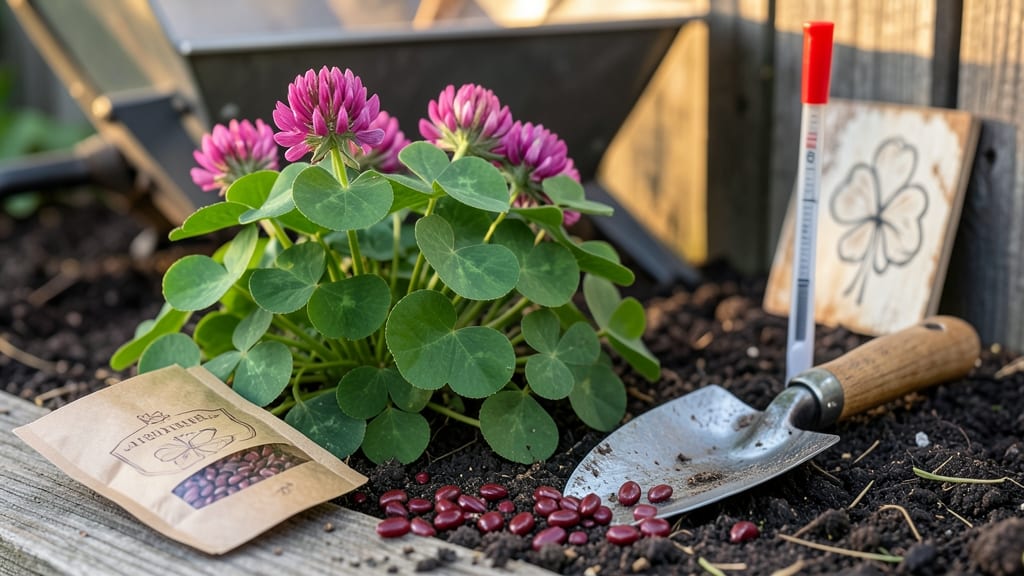
If you're wondering when to plant crimson clover in NC, timing is everything—especially when North Carolina's elevation zones can shift frost dates by weeks. This vibrant 🌸 Crimson Clover thrives when planted just right, unlocking its superpowers for soil health and pollinator support.
In zones 7a-8b, your best bet is late summer through early fall—think August to September—when soil temps stay warm enough for strong root growth before winter sets in. Planting too early risks heat stress, while waiting too long means frost sneaks in before germination.
Why does this matter? Because Crimson Clover isn't just pretty—it's a workhorse that fixes nitrogen, prevents erosion, and feeds bees. Get the timing wrong, and you might end up with patchy growth or wasted seed. Let's break down the perfect window for your NC elevation zone.
Whether you're in the Coastal Plain, Piedmont, or Mountains, I'll show you exactly when to plant for maximum success, plus soil prep tips and regional tweaks to outsmart NC's unpredictable weather. Ready to grow a thriving cover crop?
NC elevation zones: frost dates that dictate crimson clover planting windows
North Carolina's diverse elevation zones create dramatically different frost dates—critical information when planting crimson clover. The Coastal Plain (USDA zones 7b-8a) enjoys earlier planting windows than the Mountains (zones 6a-7a), where first frost arrives up to 6 weeks sooner.
Understanding these variations ensures your cover crop establishes before winter sets in.
For Coastal Plain gardeners (e.g., Wilmington, Fayetteville), aim to plant crimson clover between late August and mid-September. These areas typically see their first frost around mid-November, giving seedlings 6-8 weeks to establish before winter dormancy.
In contrast, Piedmont regions (Raleigh, Greensboro) should plant by early September to avoid early frosts that can hit as soon as late October.
The Mountains (Asheville, Boone) present the tightest window—plant between August 15 and September 1. Here, first frost often arrives by October 15, leaving only 4-5 weeks for germination. Missing this window risks weak seedlings that won't survive winter or provide adequate nitrogen fixation.
Use these frost-free averages as your guide, but always check local NC State Climate Office data for real-time updates. A sudden cold snap can turn a perfect planting window into a failed experiment overnight.
| Region | USDA Zone | Planting Window | First Frost Avg | Key Consideration |
|---|---|---|---|---|
| Coastal Plain | 7b-8a | Late Aug - Mid Sep | Mid-Nov | Longer growing season; prioritize soil warmth over frost dates |
| Piedmont | 7a-7b | Early Aug - Early Sep | Late Oct | Balanced zone; watch for early cold snaps in valleys |
| Mountains | 6a-7a | Aug 15 - Sep 1 | Oct 15 | Shortest window; soil prep is critical for quick germination |
Soil temperature plays just as critical a role as frost dates. Crimson clover seeds need soil temps above 60°F to germinate consistently. In the Coastal Plain, soil stays warm through September, while Mountain regions may drop below 60°F by early September.
Use a soil thermometer to verify conditions—planting too early in cool soils leads to poor germination rates and weak seedlings.
For fall planting, target August 15 to September 15 across most of NC, with earlier dates for Mountain zones. This window ensures seedlings establish 4-6 weeks before winter dormancy. Spring planting (February-March) is less common but viable in Coastal Plain areas where winters are mild.
Don't overlook elevation-specific microclimates. A garden at 2,000 feet in the Blue Ridge may experience frost two weeks earlier than one at 1,000 feet just 10 miles away. When in doubt, consult your local Cooperative Extension office for hyper-local advice tailored to your specific elevation and aspect.
Planting crimson clover too early risks bolting (premature flowering) from heat stress, while planting too late leaves insufficient time for root establishment. Aim for that sweet spot where soil warmth meets frost-free days—typically 60-70°F soil temps with 6-8 weeks until first frost.
Proper timing also maximizes nitrogen fixation, the primary benefit of crimson clover. Seedlings need 4-6 weeks of growth before winter to develop robust roots that will scavenge nitrogen from the soil and release it next spring.
This biological process improves soil fertility for subsequent crops like corn, soybeans, or vegetables.
Remember: Crimson clover is a warm-season annual, meaning it thrives in 60-85°F conditions. Planting outside this temperature range stresses seedlings and reduces their ability to fix nitrogen effectively. Use these elevation-based guidelines to align your planting with nature's calendar.
Best months to plant crimson clover in NC: soil temps and seedling success
While elevation zones dictate the broad window for planting crimson clover in NC, soil temperature is the real game-changer for seedling success. Aim for 60-70°F soil temps—the sweet spot where seeds germinate reliably without bolting (premature flowering).
In Coastal Plain areas, these temps persist through mid-September, while Mountain regions may drop below 60°F by early September.
For fall planting, my go-to months are August and September. August offers warmer soils and longer daylight, giving seedlings a head start before winter. September extends the window for Piedmont and Mountain zones, where cooler nights arrive earlier.
Planting in late August ensures 4-6 weeks of growth before frost, while September plantings should happen by the 15th to avoid late-season risks.
Spring planting (February-March) is less common but works in Coastal Plain zones where winters are mild. However, Mountain gardeners should avoid spring planting—cool soils delay germination, and early frosts can damage tender seedlings.
If you must plant in spring, wait until soil temps consistently stay above 60°F, typically mid-to-late March in zones 7b-8a.
Seedling establishment is the make-or-break phase. Crimson clover needs 4-6 weeks of growth before winter dormancy to develop robust roots for nitrogen fixation. Plant too late, and seedlings won’t mature enough to survive frost.
Use a soil thermometer to confirm temps—don’t guess! I’ve seen poor germination when planting in 55°F soils, even if frost dates seemed safe.
- August 1-15: Ideal for Coastal Plain (soil temps 70-80°F). Plant after summer crops are harvested.
- August 15-September 1: Best for Piedmont (soil temps 65-75°F). Avoid planting after September 15 in Mountain zones.
- September 1-15: Last chance for Mountains (soil temps 60-70°F). Prioritize well-drained soils to prevent waterlogging.
- February-March: Only for Coastal Plain (soil temps >60°F). Risky in Piedmont/Mountains due to frost.
Don’t overlook seedling care after planting. Keep soil consistently moist (not soggy) for the first 2-3 weeks to encourage root growth. Mulch lightly with straw to retain moisture and suppress weeds.
Once seedlings reach 2-3 inches, they’ll tolerate drier conditions better. I’ve found that deep watering every 7-10 days after establishment prevents stress without promoting disease.
For maximum nitrogen fixation, aim to plant crimson clover 6-8 weeks before first frost. This gives roots time to develop before winter dormancy. In Mountain zones, that means planting by September 1, while Coastal Plain gardeners have until mid-September.
Use this timeline to align your planting with your local frost date—check the NC State Climate Office for updates if you’re unsure.
Pro tip: If you’re planting in late summer, choose a cloudy day to reduce heat stress on seeds. Crimson clover seeds are small, so lightly rake soil to create a fine seedbed—this improves seed-to-soil contact and germination rates.
Avoid planting in compacted or rocky soil, as seedlings struggle to penetrate dense layers. With the right timing and care, your crimson clover will establish a lush cover that benefits your soil and pollinators alike.