
Plants
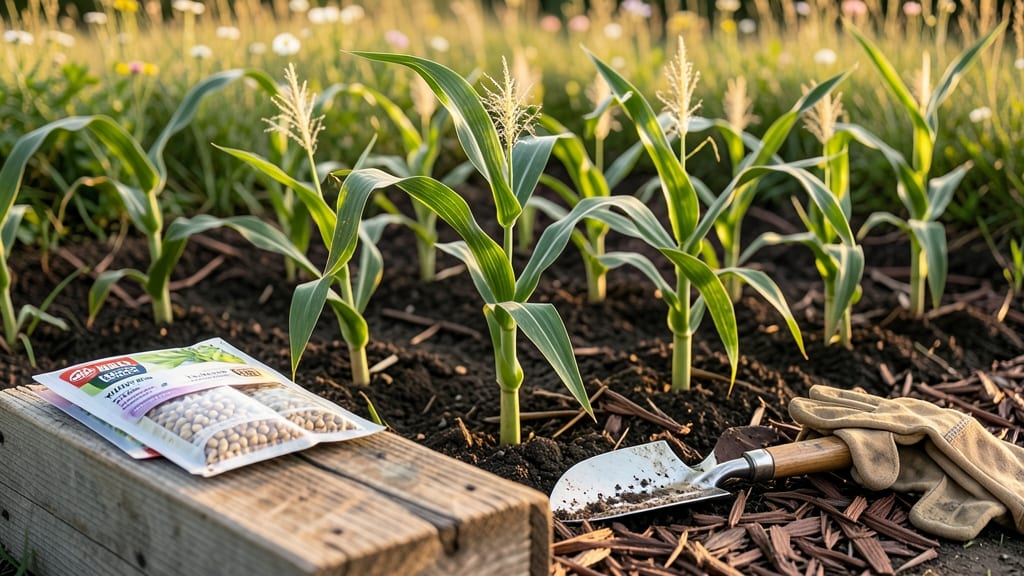
Knowing when to plant corn in Zone 9 isn’t just about checking a calendar—it’s about reading your soil like a garden fortune teller.
In places like Southern California or Phoenix, where temperatures can swing from chilly mornings to scorching afternoons, timing your 🌽 planting wrong means either bolting before harvest or struggling with slow germination.
Most gardeners in Zone 9b make the mistake of planting too early, only to watch their seedlings wilt in the heat. The sweet spot? Waiting until soil temperatures hit a steady 60°F—that’s when roots wake up and grow strong.
But here’s the catch: if you’re in a desert microclimate, like the low deserts near Tucson, you might need to adjust your schedule by weeks compared to coastal areas.
What if I told you the difference between a bumper crop and a sad handful of ears comes down to 3 simple checks—soil temp, variety choice, and water consistency? I’ll show you exactly how to nail these so your corn thrives from seed to silks, no guesswork included.
Let’s cut through the confusion and get you planting with confidence—because in Zone 9, timing isn’t just important; it’s everything. Ready to grow corn that actually produces? Let’s dive in.
Zone 9 corn planting calendar: exact dates based on soil temperature
In Zone 9, corn thrives when planted at the right time—too early, and you risk frost damage; too late, and your plants may bolt prematurely. The key is aligning your planting with soil temperatures of 60°F (15°C) or higher, which ensures strong germination and healthy growth.
Since Zone 9 spans diverse microclimates (e.g., coastal Southern California vs. inland Arizona), I’ll break down the best planting windows for your specific location.
Zone 9’s last frost date typically falls around January 15 in low deserts, but frost is rare. The real challenge is avoiding heat stress during summer months. For sweet corn, aim to plant when daytime temperatures are consistently above 70°F (21°C) to prevent bolting.
Below, I’ve mapped out the ideal planting windows based on soil temperature thresholds and regional variations.
🌱 Did You Know? Corn seeds need soil temperatures between 60-95°F (15-35°C) for optimal germination. In Zone 9, this usually translates to planting between mid-February and early April, depending on your exact location.
| Planting Window | Soil Temp Threshold | Ideal Varieties | Notes |
|---|---|---|---|
| Early Spring (Mid-Feb) | 60-65°F (15-18°C) | Early-maturing (e.g., 'Silver Queen') | Best for coastal areas; use black plastic mulch to warm soil. |
| Late Spring (Early-Mid March) | 65-75°F (18-24°C) | Mid-season (e.g., 'Peaches and Cream') | Optimal for inland Zone 9; avoid planting after April 15 to prevent heat stress. |
| Summer Succession (Late April) | 75-85°F (24-29°C) | Heat-tolerant (e.g., 'Golden Bantam') | Use shade cloth for seedlings; water deeply at soil level to avoid leaf burn. |
For coastal Zone 9 areas (e.g., San Diego, Santa Barbara), plant corn 2-3 weeks earlier than inland regions due to cooler ocean breezes. In contrast, desert climates (e.g., Phoenix, Tucson) can plant slightly later, but always monitor soil temps—above 90°F (32°C) can cause poor germination.
If you’re in a high-elevation Zone 9 (e.g., Flagstaff, AZ), stick to early March planting. These areas experience cooler nights, which slows soil warming. Use row covers or black plastic mulch to maintain consistent soil temperatures and accelerate growth.
Pro tip: Plant corn in blocks, not rows, to ensure cross-pollination. In Zone 9, this means spacing seeds 12 inches apart in rows 3 feet apart. For succession planting, stagger your plantings every 2 weeks from February to April to extend your harvest window through summer.
Watch for silver leaf disease in late summer, which thrives in hot, dry conditions. To prevent it, mulch heavily with straw or grass clippings and water at the base of plants in the early morning to reduce humidity on leaves.
🌽 Key Takeaway: In Zone 9, soil temperature >60°F (15°C) is your green light for planting corn. Use the table above as your guide, and adjust for local microclimates—your ears will thank you!
How to test soil temperature for corn success (with DIY tools)
Corn thrives when soil temperatures hit 60°F (15°C)—any cooler, and seeds rot; any hotter, and plants bolt prematurely. In Zone 9, where desert heat meets coastal breezes, testing soil temperature isn’t just helpful—it’s essential.
I’ve learned the hard way that relying on air temperature alone leads to failed crops, so here’s how to get it right.
Most gardeners grab a soil thermometer, but if you don’t have one, a meat thermometer works perfectly. Stick it 2 inches deep (corn’s ideal planting depth) in the morning—before 9 AM—when temps are most stable.
Avoid midday heat, which can skew readings by 10°F or more. Pro tip: Test in multiple spots—shady areas stay cooler, and that’s where seeds might linger too long.
For a DIY low-tech method, press your hand 2 inches into the soil—if it feels like a warm bath (around body temperature), it’s ready. Too cool? Wait. Too hot?
Delay planting or use shade cloth until temps drop. I once planted in 95°F soil in Phoenix and watched my corn bolt in 10 days—a lesson I won’t repeat.
Zone 9’s microclimates add another layer of complexity. Coastal areas (like San Diego) may need earlier planting due to cooler ocean breezes, while inland deserts (like Tucson) can plant later thanks to faster soil warming.
Check local Almanac frost dates as a backup, but always prioritize soil temperature—it’s the real game-changer.
Once you’ve confirmed the right temps, act fast. Corn seeds germinate in 5–10 days at 60°F, but if soil cools again, germination stalls. Keep a planting journal to track soil temps and success rates—next year, you’ll nail it.
And remember: Patience is key—rushing leads to regret, but waiting for perfect conditions guarantees sweet, plump ears. 🌽
For extra insurance, pre-warm your soil a week before planting by covering beds with clear plastic during the day and removing it at night. This trick adds 5–10°F to soil temps, giving you a wider planting window.
Just don’t forget to remove it before planting—seeds need direct contact with warm soil to sprout.