
Plants
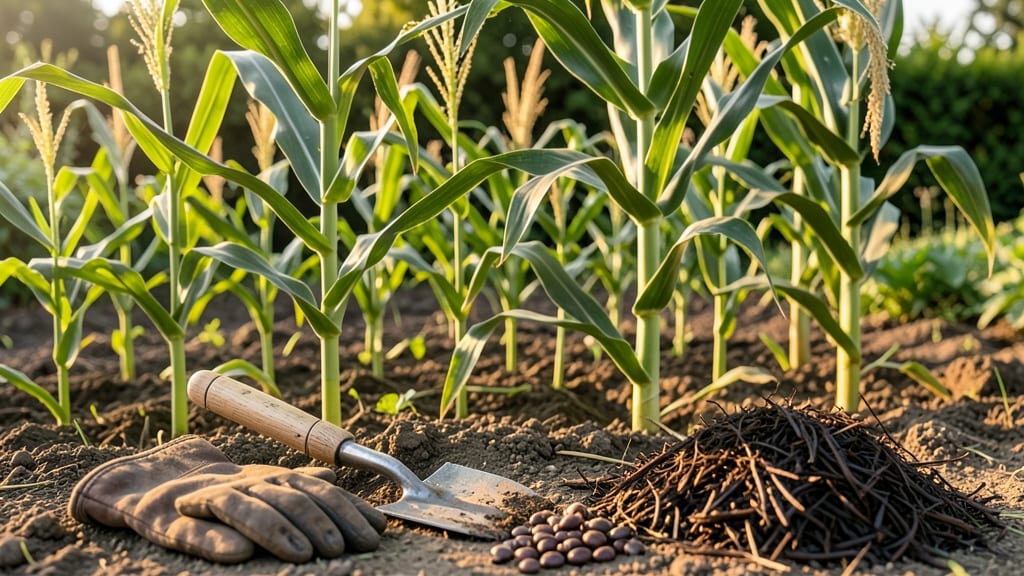
Timing your 🌽 corn planting in Northern California isn’t just about following a calendar—it’s about outsmarting the region’s wild swings from coastal fog to inland heat waves. Get it wrong, and you’ll either lose your crop to early frost or watch it wilt under summer’s relentless sun.
Here’s the game-changer: Your planting window isn’t just late April to early June—it’s a moving target shaped by your exact microclimate. Whether you’re in Sacramento’s 7b zone or Redding’s 9a heat**, the right timing ensures your corn reaches maturity before the first frost sneaks in by November.
I’ll break down how to read your local frost dates, adjust for soil warmth, and pick varieties that thrive in Northern California’s short growing season. No more guesswork—just a foolproof plan to go from seed to harvest with ears so sweet, you’ll wonder why you didn’t start sooner.
Ready to turn your garden into a cornucopia? Let’s dive into the exact strategies that’ll make this your most successful planting season yet.
Northern California corn planting zones: frost-free dates by region
Northern California’s diverse microclimates mean your corn planting window can vary by hundreds of miles. Coastal areas like San Francisco experience persistent fog that delays planting, while inland valleys like Sacramento can bake early—sometimes as early as mid-April.
Understanding these regional differences is key to avoiding frost damage or heat stress.
For most of Northern California, corn thrives with 180-240 frost-free days. However, coastal zones (e.g., Sonoma, Marin) often have shorter growing seasons due to late spring fog, while high-desert areas (e.g., Redding, Chico) can push planting dates 2-3 weeks earlier.
Let’s break down the optimal planting windows by region to help you align with local conditions.
🌽 Northern California Corn Planting Zones
| Region | Last Frost Date (Avg.) | Planting Window | Microclimate Notes |
|---|---|---|---|
| Bay Area (SF, Oakland, San Jose) | May 1 - May 15 | Late May - Early June | Fog delays warming; use black plastic mulch to raise soil temp. |
| Sacramento Valley (Sacramento, Stockton) | March 15 - April 1 | Late April - Early May | Hotter inland climate; start seeds indoors for earlier harvests. |
| Central Coast (Santa Cruz, Monterey) | April 15 - April 30 | Early May - Mid-May | Cooler coastal temps; choose shorter varieties (60-75 days). |
| Sierra Foothills (Redding, Chico) | April 1 - April 15 | Early April - Early May | Earlier frost risk at higher elevations; use row covers. |
| Northern Inland (Red Bluff, Marysville) | March 1 - March 15 | Mid-March - Late April | Longer growing season; ideal for late-summer varieties. |
If you’re in the Bay Area, don’t rush to plant in late April—coastal fog can linger until mid-May. I’ve seen seedlings wilt overnight from unexpected 40°F drops in June!
For inland areas like Sacramento, you can start direct-sowing seeds as early as late March if your soil is warm enough (60°F+).
Pro tip: Use a soil thermometer to confirm readiness. Corn roots need consistent warmth to germinate—cold soil (50°F) will stall growth. Planting too early in cooler zones can lead to stunted plants or poor pollination, drastically reducing your yield.
For high-elevation gardens (e.g., Truckee, South Lake Tahoe), wait until after Memorial Day. These areas often experience late spring frosts even into May. I once lost an entire corn patch in June after a 32°F frost—a painful lesson in microclimate awareness!
To extend your harvest window, consider succession planting in warmer inland zones. Plant a second batch 2-3 weeks after your first to stagger maturity. This works especially well for fast-maturing varieties like ‘Golden Bantam’ (60 days), ensuring you get fresh ears all summer.
Always check your local USDA Plant Hardiness Zone (e.g., Zone 7b-9a in Northern California) and adjust for elevation shifts. A 1,000-foot elevation gain can delay planting by 1-
How to adjust corn planting for Northern California’s microclimates
Northern California’s microclimates can make or break your corn harvest. Coastal areas like San Francisco often experience delayed planting due to lingering fog, while inland zones like Sacramento Valley may need earlier starts to avoid summer heat stress. Understanding these variations ensures your corn thrives—not just survives.
For coastal regions, wait until mid-May to plant, as morning fog can delay soil warming below 60°F. Use black plastic mulch to accelerate soil temperature if you’re eager to start earlier.
Inland areas, however, can safely plant as early as late April, provided nighttime temperatures stay above 50°F.
Elevation matters too. Gardens above 2,000 feet (like those in the Sierra foothills) should delay planting until early June to avoid late spring frosts. Always check your local USDA Plant Hardiness Zone—Zone 7b areas (e.g., Sacramento) have a longer window than Zone 9a (Redding), which can experience early heat waves.
⚠️ Heat Stress Warning
Planting too early in inland heat pockets (e.g., Stockton) can cause bolting or poor ear development. If daytime temps exceed 90°F before tasseling, provide shade cloth or use drought-tolerant varieties like 'Peaches and Cream'.
Soil temperature is your best indicator. Use a soil thermometer to confirm 60°F+ at 4-inch depth before planting. Coastal gardeners may need to wait until June for this threshold, while inland areas often hit it by mid-April.
Harden seedlings by gradually exposing them to outdoor conditions for 7-10 days before transplanting.
If you’re in a transition zone (e.g., Santa Rosa to Napa), split your planting: start 20% of seeds indoors in March and transplant after last frost, then direct-sow the remaining 80% in late May. This succession planting stretches your harvest and mitigates microclimate risks.
Finally, monitor local weather forecasts for heat waves or unexpected frosts. Inland areas should have row covers ready for late spring dips, while coastal gardeners may need to extend the season with cold frames.
With these adjustments, your corn will grow tall and sweet—no matter where you garden in Northern California.