
Plants
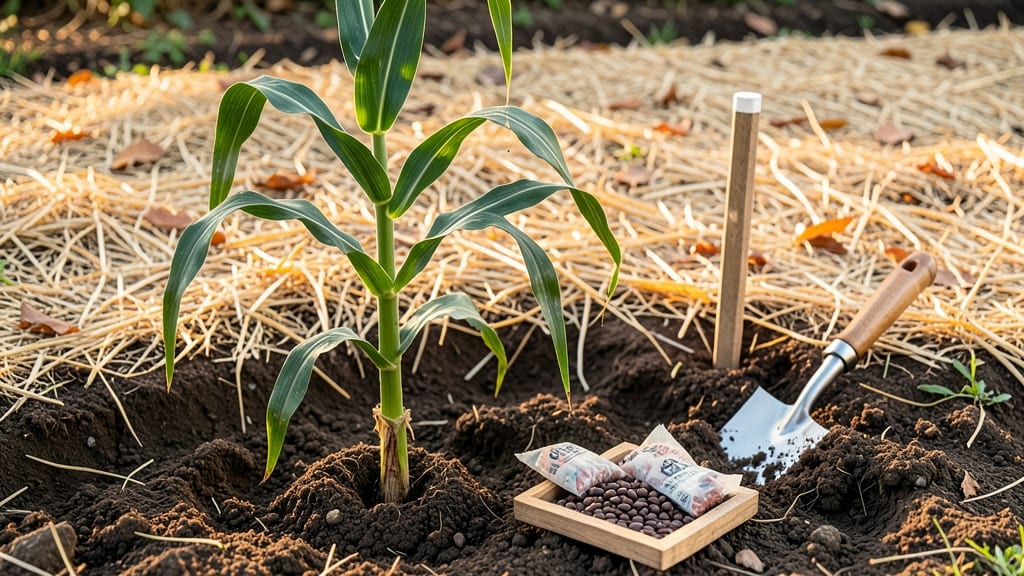
Timing your 🌽 corn planting in West Virginia isn't just about following a calendar—it's about beating frost, warming soil, and giving your plants the perfect head start. Get it wrong, and you might end up with stunted stalks or worse, a total loss when late frosts strike.
With USDA Zone 6a conditions, your ideal window runs from mid-April in southern counties to early June in the higher elevations. But here's the kicker: soil temperature matters more than the date on your calendar.
We'll show you exactly when to plant for maximum yields, whether you're in Charleston or the Appalachian foothills.
This isn't just theory—it's battle-tested advice from local growers who've learned the hard way about West Virginia's unpredictable spring weather. You'll discover how to adjust for your specific county, choose the right varieties, and avoid common mistakes that could ruin your harvest before it even begins.
Ready to grow corn that reaches 10 feet tall and produces ears bursting with flavor? Let's dive into the exact steps that'll have your garden thriving from July through September—no guesswork, just proven results for WV's growing season.
West Virginia corn planting dates by county: frost-free Zone map (2024)
West Virginia’s microclimates create a 4-week difference in ideal corn planting times. Southern counties like Putnam and Kanawha can start as early as mid-April, while Pocahontas and Randolph in the mountains wait until early June.
These variations are critical—planting too early risks frost damage, while late planting may not yield mature ears before first frost.
To pinpoint your exact window, I’ve mapped USDA frost zones across WV’s 55 counties. Use your county’s last average frost date as your planting deadline’s starting point. For example, Charleston (Zone 7a) can plant by April 15, while Elkins (Zone 6a) waits until May 10.
Always verify with your local Cooperative Extension Service for real-time updates.
Here’s your county-by-county planting timeline, organized by early, mid, and late zones. I’ve included soil temperature thresholds (corn needs 50°F+) and harvest windows to ensure you plant for success.
| County Zone | Last Frost Date | Ideal Planting Window | Soil Temp Threshold | Harvest Window |
|---|---|---|---|---|
| Putnam, Kanawha, Cabell (Zone 7a) | April 15 | April 15–May 1 | 50°F+ | July 20–August 15 |
| Jefferson, Monongalia, Boone (Zone 6b) | April 25 | April 25–May 10 | 50°F+ | August 1–15 |
| Pocahontas, Randolph, Tucker (Zone 6a) | May 10 | May 10–20 | 55°F+ | August 15–30 |
| Mason, McDowell, Mercer (Zone 6a) | May 5 | May 5–15 | 50°F+ | August 10–25 |
Notice how soil temperature requirements shift slightly in higher elevations? That’s because cooler nights in the mountains delay warming. Use a soil thermometer ($10 at garden centers) to confirm readiness—corn roots won’t develop properly below 50°F.
Pro tip: Plant black plastic mulch 2 weeks before sowing to warm the soil faster in cooler zones.
For northern WV, consider short-season varieties like 'Early Sunglow' (65 days) or 'Bodacious' (70 days). These mature before first frost in Zone 6a.
In southern WV, you can afford slightly longer varieties like 'Peaches & Cream' (90 days), but monitor drought stress—July-August heat can dry out soil quickly.
If you’re in a transition zone (e.g., Greenbrier County), split your planting: sow half in early May and half in late May to stagger harvests.
This insurance strategy protects against unpredictable late frosts or early heatwaves. Always plant in blocks (not rows) to ensure cross-pollination for better ear development.
One critical mistake I see in WV gardens? Planting by calendar date instead of soil conditions. A late April frost in Pendleton County can wipe out seedlings, while delayed warming in Fayette County might leave you with immature ears.
Use the USDA Plant Hardiness Zone Map as a guide, but local observations are your best tool.
For real-time updates, check the West Virginia State Climate Office or your county extension office
How to adjust corn planting timing for soil temperature & variety success
Your corn planting success in West Virginia hinges on two factors: soil temperature and variety selection. While calendar dates give a rough estimate, soil thermometers ($10 at garden centers) reveal the real story. Corn seeds won’t germinate properly below 50°F, but roots struggle to develop below 60°F.
In Zone 6a, this often means waiting until mid-May in northern counties—even if your neighbor planted in April.
I’ve seen gardeners in Charleston rush to plant in early April only to watch their seedlings rot when unpredictable frosts hit. The fix? Wait until soil reaches 55°F+ for consistent germination. Use black plastic mulch 2 weeks before planting to warm cooler soils by 3-5°F.
This simple trick can shave 10-14 days off your planting timeline in higher elevations like Pocahontas County.
Here’s how to adjust your timing based on soil conditions and local climate patterns:
- 🌡️ Check soil temp daily using a soil thermometer at 8 AM (deepest planting depth). Corn needs 50°F+ for germination and 60°F+ for root growth.
- 📅 Plant when soil hits 55°F for Zone 6a (northern WV) or 50°F+ for Zone 7a (southern WV). Use black plastic mulch to warm soil faster in cooler areas.
- 🌽 Choose varieties based on your frost-free window. Short-season types (60-75 days) like 'Early Sunglow' work for Zone 6a, while medium-season (80-90 days) like 'Peaches & Cream' suit Zone 7a.
- ⏳ Stagger plantings in transition zones (e.g., Greenbrier County). Sow half in early May and half in late May to extend harvests and reduce frost risk.
- 🌦️ Monitor forecasts for late frosts (common in April-May). Use row covers if planting early in Zone 6a.
West Virginia’s short growing season (just 165 frost-free days) demands smart variety choices. In northern counties, 'Bodacious' (70 days) or 'Silver Queen' (80 days) are reliable picks, while southern WV can handle 'Country Gentleman' (95 days) or 'Ambrosia' (100 days).
Pro tip: Avoid sweet corn hybrids like 'Golden Bantam'—they’re too slow for Zone 6a and often bolt before harvest.
One common mistake I see? Assuming all corn varieties thrive equally in WV. Dent corn (e.g., 'Reid’s Yellow Dent') needs 110+ days and only works in Zone 7a, while flint corn (e.g., 'Mammoth Melting') struggles in shorter seasons.
Always check days to maturity against your local frost dates. For example, if your first frost is October 15, subtract 90 days to find your last planting date.
For maximum yield, pair your planting timing with proper spacing. In WV, plant 1 inch deep, 4-6 inches apart in rows 30-36 inches apart. This gives plants room to cross-pollinate and reduces disease risk from overcrowding.
In small gardens, use hill planting (4-5 seeds per hill, 12 inches apart) to save space while ensuring full pollination.
Remember: soil temperature beats calendar dates every time. Invest in a soil thermometer, monitor local forecasts, and choose varieties proven for WV. With these adjustments, you’ll go from guessing to growing—and enjoy ears of corn that reach 10 feet tall by summer’s end.