
Plants
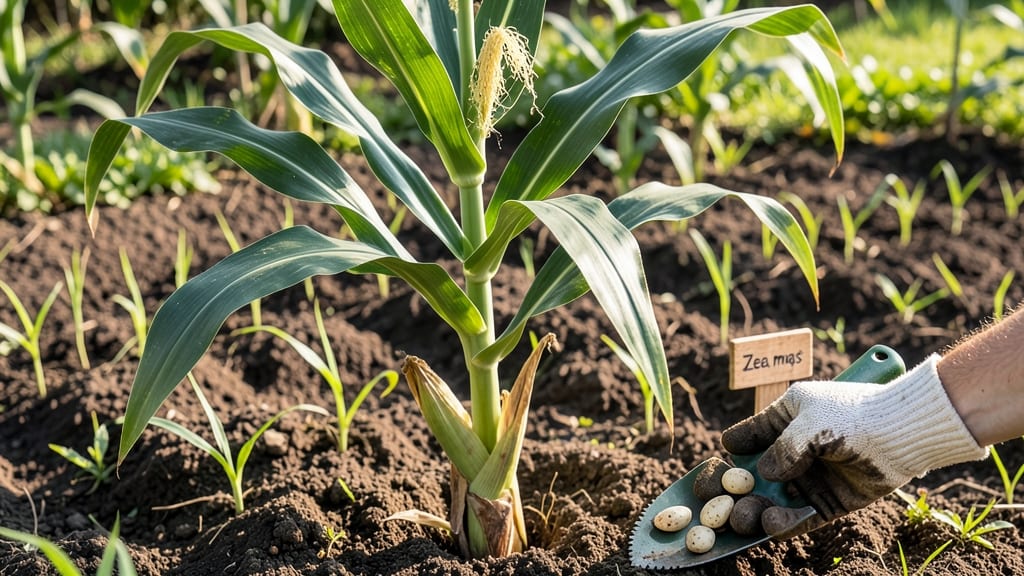
Timing your 🌽 corn planting in Montana wrong could mean the difference between a bumper crop and a sad, stunted harvest.
With frost creeping in earlier than you’d expect, getting those seeds in the ground at the right moment is the key to success—especially when your growing season is already on the shorter side.
Most gardeners in USDA Zones 4-7 wait until late May or early June, but that’s just the starting point. The real secret lies in soil temperature—your corn won’t germinate properly until the earth warms to at least 60°F.
If you plant too early, you risk losing your investment to a late frost, while planting too late might leave your ears underdeveloped by harvest time.
I’ve grown corn in Montana for years, and I’ve learned the hard way that patience pays off. Waiting for the perfect window isn’t just about dates—it’s about understanding your microclimate, testing your soil, and knowing when to pull out the row covers if Mother Nature throws a curveball.
Let’s break down exactly how to time it right so you can enjoy sweet, plump ears from July through September.
In this guide, I’ll share the exact steps to check your soil, choose the best varieties for your zone, and even extend your growing season with simple tricks. No more guessing—just a foolproof plan to turn your Montana garden into a cornucopia of golden goodness.
Montana corn planting timeline by region (soil temperature guide)
Montana’s diverse climate—from the cool northern forests to the warmer western valleys—means your corn planting window varies dramatically. The key rule is planting when soil hits 60°F consistently, not air temperature.
In Zone 4 (northern MT), this often means waiting until late May or early June, while Zone 7 (southwest MT) may start as early as mid-May. Missing this window risks slow germination or frost damage to young plants.
I’ve planted corn in Missoula (Zone 6) and Bozeman (Zone 5), and the difference in timing is striking. A late frost in May can wipe out early plantings, while rushing in cooler zones leads to stunted stalks and poor ear development.
The solution? Use a soil thermometer and adjust your schedule based on your specific microclimate.
🌽 Montana Corn Planting Timeline by Region
| Region | USDA Zone | Last Frost Date | Soil Temp Threshold | Planting Window | Harvest Window |
|---|---|---|---|---|---|
| Northern Montana (Glacier NP, Kalispell) | 4-5 | Mid-June | 60°F+ (consistent) | Late May–Early June | Late August–Early Sept |
| Eastern Montana (Billings, Great Falls) | 5-6 | Early June | 58°F+ (minimum) | Early–Mid May | Mid-August–Late Sept |
| Western Montana (Missoula, Bozeman) | 6-7 | Late May | 55°F+ (can start earlier) | Late April–Early June | Early August–Mid Sept |
| Southwest Montana (Butte, Dillon) | 6-7 | Mid-May | 60°F+ (ideal) | Mid-May–Early June | Late July–Early Sept |
Notice how western Montana can start planting 4–6 weeks earlier than northern areas? This is why local weather data is your best friend. Check Almanac.com or your local Cooperative Extension for your specific last frost date—it can vary by 1–2 weeks even within the same city.
Pro tip: If you’re in a Zone 4 or 5 area, consider starter plants instead of seeds. They germinate faster and give you a 2–3 week head start on the growing season. I’ve had success with ‘Early Sunglow’ transplants in Bozeman, which mature in just 70 days.
Another trick for cooler zones? Black plastic mulch raises soil temperature by 5–10°F, letting you plant 1–2 weeks earlier. Just lay it down 2 weeks before planting to warm the soil. In my Zone 5 garden, this shaved off 10 days from my planting timeline last year.
For high-altitude gardens (above 5,000 ft), like those in Missoula County, aim for short-season varieties with 85-day maturity or less. The shorter daylight hours in summer slow growth, so don’t assume a 90-day variety will work—it might only reach 70% maturity before frost.
If you’re unsure about your exact planting window, err on the side of caution. Corn planted too early in Zone 4 risks frost damage, while late plantings may not mature before September’s first frost. Use a frost calendar (like the one from the <
Montana corn planting timeline by region (soil temperature guide)
Montana’s diverse climate means your planting window can vary by 100+ miles. Western regions like Missoula (Zone 5) often see warmer springs, while Eastern areas like Great Falls (Zone 4) may wait until June.
Northern areas like Glacier National Park (Zone 3) face the shortest seasons, requiring early varieties or season extenders.
Corn seeds need soil temperatures of 60°F+ to germinate reliably. In Montana, this typically aligns with late May to early June for most regions, but cooler microclimates may push planting into mid-June. Using a soil thermometer is critical—don’t rely on air temperature alone.
Here’s a breakdown of Montana’s key regions and their ideal planting windows based on average last frost dates and soil warming patterns:
If you’re in a Zone 4 or colder, consider starting seeds indoors 4-6 weeks before your last frost date. Transplant seedlings when soil reaches 50°F+ and all frost risk has passed. For Zone 5-7 gardeners, direct sowing after Memorial Day is safest.
Pro tip: Montana’s elevation changes rapidly. A valley in Zone 5 can be 10°F warmer than a nearby hillside in Zone 4. Scout your garden’s microclimate by checking neighboring gardens’ success or using a local frost calendar from your county extension office.
Remember, corn needs 90-120 frost-free days to mature. In Montana’s shorter seasons, prioritize early-maturing varieties (under 90 days) to avoid frost damage. Planting too late can leave ears stunted or unformed by September’s first frost.