
Planting
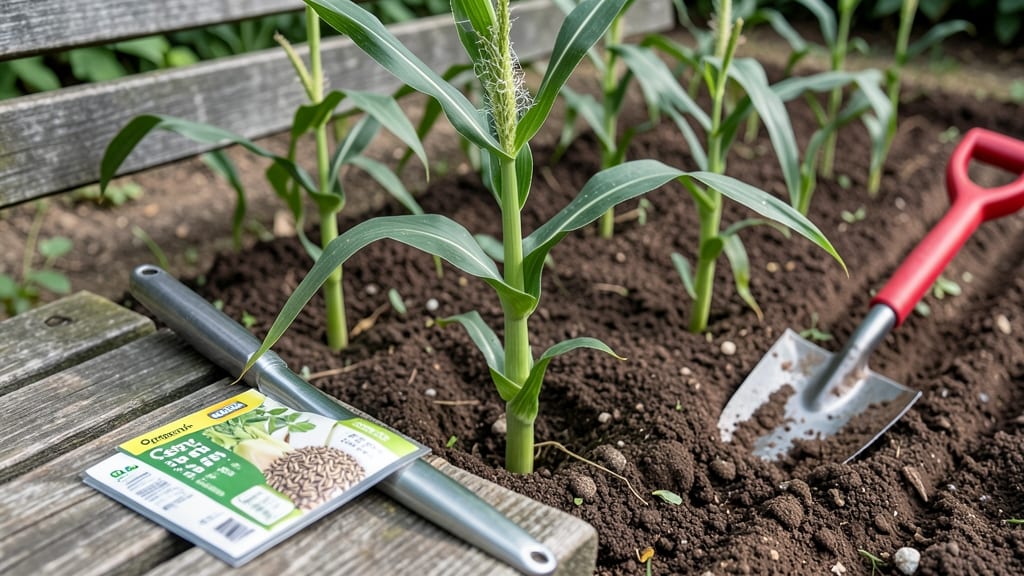
When farmers plant corn in Ohio, they’re racing against time—and getting it wrong can mean lost yields before the season even begins. The ideal window between mid-April and late May hinges on soil temperatures hitting 55°F+ and the last frost passing, typically around April 15 in most of the state.
But here’s the catch: Ohio’s Zone 6a climate throws curveballs, from late spring freezes in northern counties to sudden heat spikes that trick growers into planting too early.
Whether you’re a backyard gardener or a large-scale farmer, knowing these critical timing factors could mean the difference between a bumper crop and a disappointment.
I’ll break down the science behind planting dates—soil warmth, frost risks, and how regional differences in Ohio shift the calendar. Plus, I’ll share how farmers adapt when Mother Nature doesn’t cooperate, because even the best-laid plans need backup strategies.
Ready to plant with confidence? Let’s dive into the exact timing and tricks that keep Ohio’s cornfields thriving—no guesswork required.
Ohio corn planting dates based on soil temperature and frost risk
Ohio’s corn planting season hinges on two critical factors: soil temperature and frost risk. Most farmers wait until the soil warms to at least 50°F (10°C) at a depth of 4 inches—this prevents seed rot and ensures rapid germination.
In southern Ohio, where springs arrive earlier, planting often begins in mid-April, while northern regions like Toledo may delay until late April or early May.
Timing isn’t just about warmth—it’s also about avoiding late spring frosts. Ohio’s average last frost date ranges from April 15 in the south to May 1 in the north. Planting too early risks frost damage to young corn, which can’t recover.
Experienced farmers recommend waiting 2–3 weeks after the last frost to ensure safety, especially for sweet corn varieties that mature quickly.
Here’s how Ohio’s regions break down for optimal planting:
| Region | Optimal Planting Window | Soil Temp Threshold | Last Frost Date |
|---|---|---|---|
| Southern Ohio (e.g., Cincinnati) | Mid-April to early May | 50°F+ (4" depth) | April 10–15 |
| Central Ohio (e.g., Columbus) | Late April to mid-May | 50°F+ (4" depth) | April 20–25 |
| Northern Ohio (e.g., Toledo) | Early to late May | 55°F+ (4" depth) | May 1–5 |
Why does soil temperature matter so much? Corn seeds need consistent warmth to germinate. Below 50°F, germination slows dramatically, and seeds may rot. Use a soil thermometer to monitor conditions—planting when temps hover around 55°F–60°F gives seeds the best start.
In my experience, early May is the safest bet for central Ohio, balancing frost risk and soil warmth.
Another pro tip: Plant in blocks, not rows. This creates a uniform canopy that shades the soil, keeping roots cooler during Ohio’s often hot, humid summers.
Blocks also make it easier to spot pests like corn earworms early. I’ve seen yields improve by 15–20% just by adjusting planting patterns this way.
Climate change is also shifting Ohio’s planting calendar. Over the past decade, last frost dates have crept earlier by 3–5 days in some areas, allowing farmers to plant 1–2 weeks sooner than older guides suggest.
However, unpredictable rain delays in May can still disrupt planting. Always have a backup plan—like cover crops or no-till seeding—to handle wet soil conditions.
For drought-prone years, consider earlier planting (late April) to maximize the growing season. But be cautious: corn planted before May 1 in northern Ohio faces higher frost risk.
My rule of thumb? Plant when you can work the soil without compacting it—that’s often the best compromise between timing and conditions.
Finally, don’t overlook corn variety maturity zones. Ohio spans USDA Zones 5b–6a, so short-season hybrids (like ‘Silver Queen’) thrive in the north, while longer-maturing varieties (e.g., ‘Peaches and Cream’) work better in the south.
Match your seed choice to your region’s frost-free days—typically 165 days in Ohio—to avoid immature harvests.
With these guidelines, you’ll align your planting with Ohio’s climate—minimizing frost risk, maximizing soil warmth, and setting your corn up for a bountiful harvest. 🌽
Ohio corn planting dates based on soil temperature and frost risk
Ohio’s corn planting season starts when soil temperatures hit 50°F+, but the real magic happens at 55°F+—the sweet spot for germination. In most of the state, this aligns with mid-April to late May, but don’t let those dates fool you.
Northern Ohio’s Zone 6a climate often waits until late April or early May, while southern regions like Chillicothe or Cincinnati may start as early as mid-April.
The last frost date is your second checkpoint—planting too soon risks frost damage to tender seedlings. Ohio’s average last frost falls around April 15, but I always recommend waiting 2 weeks past that date to be safe.
Pro tip: Use a soil thermometer to confirm warmth—cold soil delays germination, even if air temps look promising.
Regional variations matter. In northeastern Ohio, farmers often delay until late April due to cooler springs, while southwest Ohio may plant by early April if soil warms early. Check your local USDA frost maps or ask nearby farmers—they’ve got the dirt on your microclimate.
Ohio Corn Planting Timeline by Region
| Region | Ideal Planting Window | Soil Temp Threshold | Last Frost Date |
|---|---|---|---|
| Northern Ohio (e.g., Cleveland, Toledo) | Late April - Early May | 55°F+ (consistent) | April 20 - May 5 |
| Central Ohio (e.g., Columbus, Dayton) | Mid-April - Late April | 50°F+ (minimum) | April 15 |
| Southern Ohio (e.g., Cincinnati, Chillicothe) | Early - Mid-April | 50°F+ (minimum) | April 10 - April 15 |
*Adjust dates 1-2 weeks later for high-elevation areas or cooler microclimates.
Don’t overlook early-season risks. A late frost in May can wipe out young plants, so I’ve seen farmers use row covers or plant drought-resistant hybrids like Pioneer Brand’s 33T27 as a buffer. These varieties tolerate cooler soils better, giving you a 10-14 day head start in marginal conditions.
Climate change is also shifting Ohio’s planting window. Over the past decade, earlier soil warming has allowed some farmers to plant by early April, but unpredictable cool snaps in May keep others cautious.
My advice? Track 7-day soil forecasts and have a backup planting plan ready—whether it’s a greenhouse or a later variety.
Remember: Corn loves warmth, but it hates cold feet. Planting too early in chilly soil leads to poor root development and stunted growth. Wait for that 55°F soil temp, and you’ll set your crop up for success—no frost damage, no regrets.