
Plants
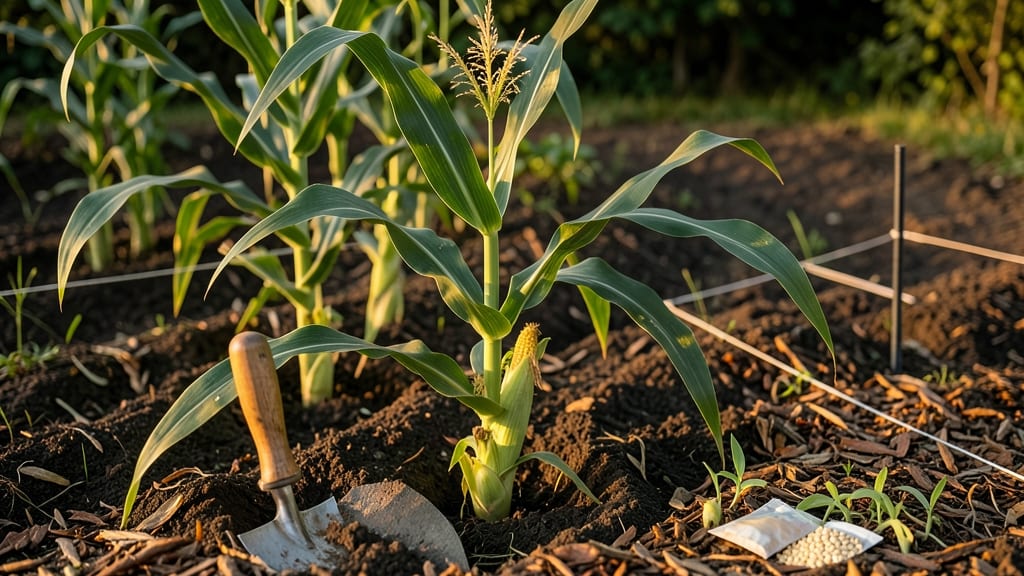
Timing your corn planting in Minnesota isn't just about the calendar—it's about beating frost and warming the soil just right to give your 🌽 stalks the best shot at thriving in Zone 4-5.
Plant too early, and a late frost will wipe out your seedlings; too late, and your harvest might shrink before fall sets in.
Most Minnesota gardeners swear by mid-April to early June as the sweet spot, but the real magic happens when your soil hits that 50°F mark and the last frost date has passed. I’ve learned that waiting for those conditions—rather than rushing—makes all the difference in yield and plant health.
Whether you’re growing sweet corn for summer meals or dent corn for fall storage, this guide will help you navigate the 30-day window that separates a mediocre crop from a bountiful one. Let’s break down the exact steps to time your planting like a pro.
From choosing early vs. late varieties to using row covers for extra warmth, you’ll discover how to stretch your growing season and avoid the three biggest mistakes Minnesota gardeners make. Ready to turn your backyard into a cornfield oasis?
Minnesota corn planting dates by hardiness Zone (4-5) with frost risk analysis
Minnesota’s Zone 4-5 climate creates a tight window for planting corn (🌽)—typically between mid-April and early June. The key is waiting until the soil warms to 50°F+ and the last frost has passed.
In southern MN (Zone 5), you can plant 2-3 weeks earlier than northern areas (Zone 4), where frost lingers until mid-May.
Corn requires 90-120 frost-free days to mature, so timing is critical. Plant too early, and cold soils stunt germination; too late, and your harvest may face early fall frosts. Use NOAA’s frost probability maps to refine your schedule based on your specific county.
For early-maturing varieties (60-75 days), aim for late April to early May in southern MN. Standard varieties (90-120 days) should go in mid-May to early June, especially in northern regions. Always check seed packets for days to maturity—this dictates your planting deadline.
Microclimates matter! Urban areas like Minneapolis-St. Paul often warm faster than rural spots, while northern MN (e.g., Duluth) may need to delay planting until late May. Observe local trends by watching neighboring gardens or consulting your local cooperative extension office.
Heat units (growing degree days) are another secret weapon. Corn needs 2,000-3,000 GDDs to mature. Use a soil thermometer to track warmth—plant when the 6-inch depth consistently hits 50°F during the day.
| Zone | Ideal Planting Window | Soil Temp Threshold | Last Frost Date | Risk of Frost After Planting |
|---|---|---|---|---|
| Zone 4 (North) | Late May–Early June | 50°F+ at 6" | Mid-May (varies) | High (wait 2+ weeks after frost) |
| Zone 4 (South) | Mid-May | 50°F+ at 6" | Early May | Moderate (check forecasts) |
| Zone 5 (Twin Cities) | Late April–Early May | 50°F+ at 6" | Late April | Low (urban heat islands help) |
| Zone 5 (Southwest) | Early April–Mid-May | 50°F+ at 6" | Early April | Very Low |
Succession planting can stretch your harvest. If you plant early varieties in late April and late varieties in early June, you’ll have corn ready from late July through September. Just ensure your last planting leaves enough time (90+ days) before the first frost.
Pro tip: Use black plastic mulch to warm soil faster in cool zones. Lay it down 1-2 weeks before planting to accelerate soil temperature gains. This can shave 10-14 days off your planting timeline in Zone 4 areas.
Always monitor weekly frost forecasts via the National Weather Service or Old Farmer’s Almanac. A late frost in May can devastate young corn—better to wait than risk stunted plants. Plant in blocks, not rows, to ensure uniform maturity and easier harvesting.
For greenhouse starts, you can push the envelope. Sow seeds indoors in March and transplant outdoors after the last frost. However, corn dislikes root disturbance, so use biodegradable pots to minimize transplant shock.
5 Critical factors that determine your exact corn planting time in MN
Planting corn in Minnesota isn’t just about checking a calendar—it’s about balancing soil temperature, seed variety, and weather forecasts. I’ve learned that even a 5°F difference in soil warmth can delay germination by a week or more.
Let’s break down the 5 factors that will help you pinpoint the perfect planting window for your garden.
First, your soil temperature is non-negotiable. Corn seeds need soil that’s consistently 50°F or warmer for optimal germination. Cold soil slows growth, leaving your plants vulnerable to late frosts. I recommend using a soil thermometer—it’s the only way to know for sure when your garden is ready.
In northern MN, this often means waiting until late May, while southern areas can start as early as mid-April.
Next, consider your corn variety. Early maturing varieties like ‘Early Sunglow’ (60-day harvest) can handle cooler soils and shorter seasons, while late varieties like ‘Golden Bantam’ (100+ days) need warmer conditions and longer growing periods.
I always check the days to maturity on seed packets and cross-reference with my frost-free date—a mismatch here can mean the difference between a bountiful harvest and a sad, frost-nipped disappointment.
🌱 Critical Factors for MN Corn Planting
- Soil Temp: Must stay above 50°F for 7+ days
- Variety: Early (60-80 days) vs. Late (90-120 days)
- Frost Forecast: NOAA’s 7-day outlook is your friend
- Succession Planting: Stagger seeds every 2 weeks for extended harvests
- Microclimate: South-facing beds warm faster than north-facing
Don’t overlook frost forecasts. I’ve lost entire corn patches to surprise late frosts, and you can too if you’re not paying attention. Check the NOAA Frost Probability Tool for your specific area—it shows the 10% frost risk date, which is your safety net.
Planting too early means risking frost damage, while waiting too long cuts your harvest window short. I aim to plant when the 10% frost risk is at least 3 weeks out.
Here’s a pro tip: Succession planting can extend your harvest by 3-4 weeks. Instead of planting all your corn at once, sow small batches every 2 weeks until early June. This way, you’ll have ears ripening at different times, giving you a steady supply of fresh corn.
In my garden, this means planting 3 separate batches—one in late April, one in early May, and one in mid-May—spaced 10 feet apart to avoid cross-pollination issues.
Finally, microclimates matter more than you think. A south-facing bed can be 5-10°F warmer than a north-facing one, especially in Minnesota’s variable climate. I always plant my earliest corn near the south or west side of my garden, where it gets extra warmth.
If you’re in a cooler pocket of MN, consider using black plastic mulch to warm the soil faster—it can shave 1-2 weeks off your planting timeline.
Remember these 3 common mistakes that ruin yields: planting too early (cold soil = rot), ignoring frost forecasts (surprise frosts = lost crops), and not accounting for your microclimate (uneven growth = poor harvests). By mastering these 5 factors, you’ll turn Minnesota’s short growing season into your corn-growing advantage. 🌽