
How To
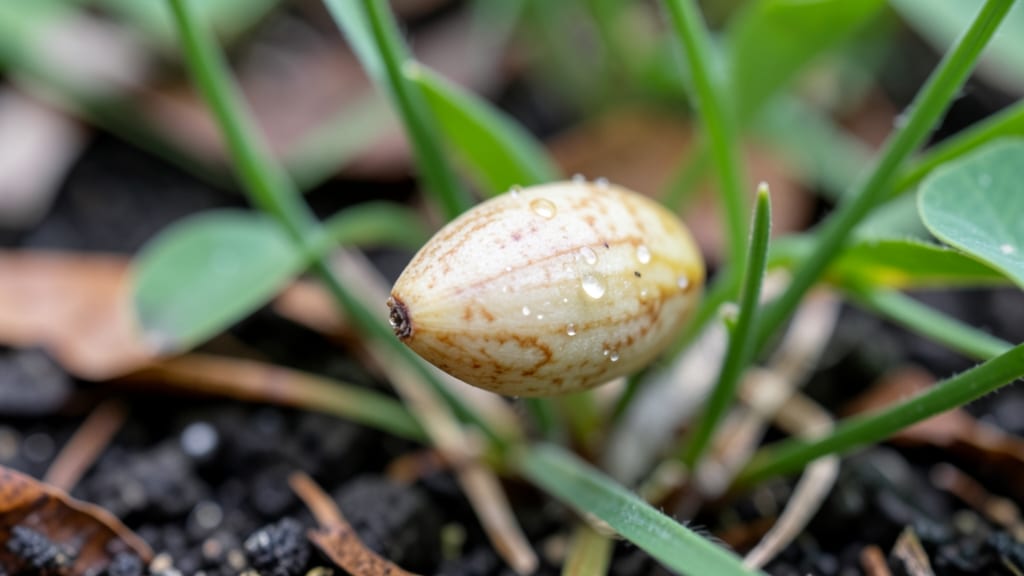
Planting centipede grass seed in Florida at the wrong time can turn your dreamy green lawn into a frustrating, patchy mess—so timing isn't just important, it's the key to success.
This hardy grass thrives in the heat, but rushing it too early or waiting too late means slower growth, weaker roots, and wasted effort.
If you're aiming for a fast establishment and a lawn that stays lush year-round, the best window is late spring to early summer—typically May through June. This aligns perfectly with Florida's warm soil temperatures and natural rainfall, giving your seeds the ideal conditions to sprout and spread.
But here's the catch: planting too late in summer can stress young grass, while early planting might expose it to unpredictable spring showers or cooler nights. We'll break down the best months for your specific Florida zone and share pro tips to avoid common mistakes.
Ready to get started? Let's dive into the exact steps to time your planting right, prep your soil, and give your centipede grass the head start it deserves for a lawn that's the envy of the neighborhood.
Optimal planting months for centipede grass seed in Florida’s climate zones
Florida’s unique climate—with its humid subtropical zones in the north and tropical conditions in the south—means centipede grass seed thrives in different windows depending on where you live. For North Florida (USDA Zones 8a-9a), aim for late May through June when soil temperatures consistently stay above 75°F.
In Central and South Florida (Zones 9b-11), June to early July offers the perfect balance of warmth and humidity for germination.
These ideal planting months align with Florida’s natural rainfall patterns, reducing the need for supplemental watering while ensuring seeds don’t dry out.
Planting too early (before May) risks cool soil temperatures, which slow germination, while waiting until August can expose young seedlings to intense summer heat stress and drought conditions.
Here’s how Florida’s three main regions break down for centipede grass seed timing:
| Region | Best Planting Window | Soil Temp Requirement | Key Consideration |
|---|---|---|---|
| North Florida (Panhandle) | Late May – Early June | 75°F+ | Avoid early rains that can wash seeds away |
| Central Florida (Orlando, Tampa) | June – Early July | 78°F+ | High humidity aids germination |
| South Florida (Miami, Key West) | Early June – Mid-July | 80°F+ | Watch for hurricane season delays |
If you miss the primary planting window, don’t despair—August can still work in South Florida, but you’ll need to prioritize daily watering and shade cloth for seedlings until temperatures drop.
In North Florida, August planting is risky due to late-summer droughts and hurricane threats, so it’s better to wait until spring 2025.
Pro tip: Use a soil thermometer to confirm temperatures before planting. Centipede grass seeds won’t sprout reliably below 65°F, even if the air feels warm. This tool is a game-changer for avoiding false starts that waste seed and effort.
For fastest establishment, plant seeds when afternoon thunderstorms are common but haven’t yet peaked. This natural watering cycle reduces your workload while keeping soil moisture ideal. In Central Florida, this typically means late June—just as the rainy season kicks in.
One common mistake I see is planting too early in North Florida (April-May) when cool nights can stunt growth. Centipede grass is a warm-season grass, so it needs consistent warmth to thrive. Waiting until soil temps hit 75°F+ ensures seeds germinate within 10–14 days instead of weeks.
In South Florida, where hurricane season overlaps with planting time, consider sod instead of seed for high-risk areas. Sod establishes roots faster and can handle heavy rains better than delicate seedlings.
If you stick with seed, plant at least 6 weeks before hurricane season (late June) to give roots time to anchor.
Remember: Centipede grass spreads slowly compared to other Florida-friendly grasses like St. Augustine. Planting at the right time maximizes your first-year coverage, reducing the need for overseeding later. Aim for 70–80% ground cover by winter for a resilient lawn.
Optimal planting months for centipede grass seed in Florida’s climate zones
Florida’s warm climate makes centipede grass a top choice for low-maintenance lawns, but planting at the wrong time can stall germination or invite pests. The ideal window shifts slightly depending on whether you're in North, Central, or South Florida, with temperature and humidity playing key roles.
For North Florida (USDA Zones 8a-9a), aim for late May to early June when soil warms to 75°F+ and afternoon thunderstorms kick in to keep seeds moist.
In Central Florida (Zones 9a-9b), the best months stretch from June to early July, aligning with peak rainfall and consistent 80°F soil temps. Meanwhile, South Florida (Zones 10a-11) gardeners can plant as late as mid-July, though humidity rises—so prioritize well-draining soil to avoid fungal issues.
Missing these windows? Planting in August risks heat stress, while April or September may leave seeds vulnerable to erratic weather.
🌱 Did You Know? Centipede grass seeds need 75°F+ soil temps to germinate—colder soil slows growth by up to 50%. Use a soil thermometer to confirm readiness before planting.
| Florida Zone | Best Planting Window | Soil Temp Requirement | Key Weather Factor |
|---|---|---|---|
| North (8a-9a) | Late May–Early June | 75°F+ | Afternoon thunderstorms |
| Central (9a-9b) | June–Early July | 80°F+ | Peak rainfall |
| South (10a-11) | Mid-July | 78°F+ | Humidity management |
Timing isn’t just about months—it’s about avoiding extreme heat. Planting in July or August can cause seeds to dry out before sprouting, while September risks hurricane season disruptions.
For fastest germination, choose a partly cloudy day with light rain forecasted, then water gently twice daily until sprouts appear (10–14 days).
Pro tip: If you miss the ideal window, overseed in late August for a second chance—just reduce watering slightly to prevent fungal growth. And remember, centipede grass spreads slowly (6–12 inches per year), so early planting gives it time to fill in before winter dormancy.
For North Florida, May’s last week is critical—wait too long, and you’ll face hotter soil that can scorch seeds. Use a light mulch (straw, not wood chips) to retain moisture and regulate temps during these high-risk periods.