
Plants
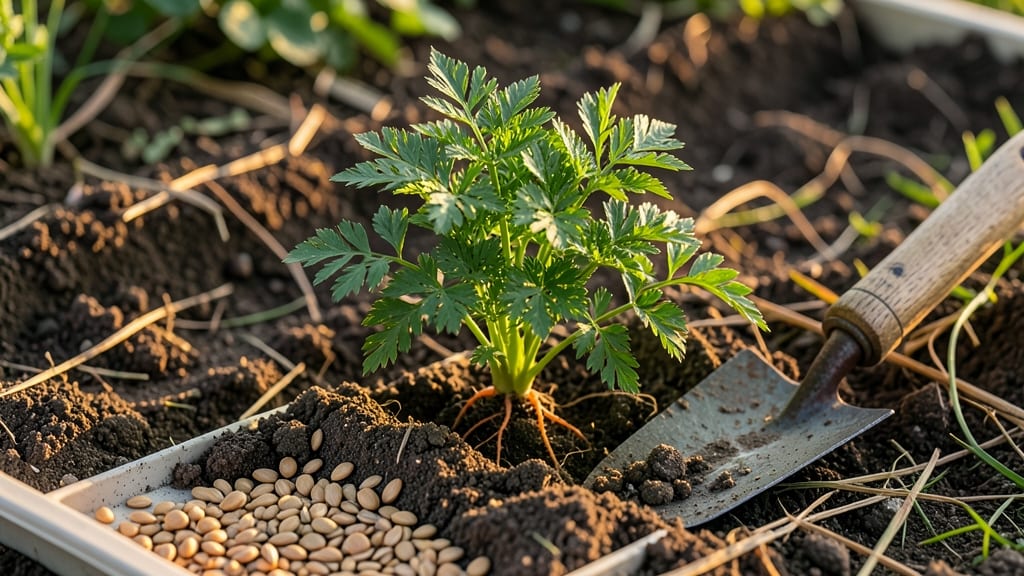
Timing your carrot planting in Connecticut can mean the difference between a bountiful harvest and a disappointing patch of stunted roots—especially with the state’s unpredictable frost patterns and microclimates. If you’ve ever wondered when to plant carrots in CT to avoid those early frosts or late heatwaves, you’re not alone.
With Connecticut’s USDA Zone 6a climate, the ideal windows are surprisingly narrow: March 15 to April 30 for spring plantings and September 1 to October 15 for fall harvests. Missing these dates could leave your 🥕 struggling to mature before the first frost hits around October 25.
But here’s the good news: I’ll walk you through exactly how to time your plantings for success, including soil temperature tricks and variety choices that thrive in Connecticut’s short growing season. Let’s get those roots growing strong!
Whether you’re a first-time gardener or a seasoned green thumb, these insights will help you avoid common mistakes and maximize your harvest. Ready to dig in?
Best planting windows for carrots in Connecticut by hardiness Zone
Connecticut’s USDA hardiness zones 5-7 create unique challenges for carrot growers, thanks to late spring frosts and early fall chills. Timing your plantings around these patterns ensures healthy root development and maximum yield.
Most of the state falls in Zone 6a, where the average last frost date is April 15 and the first frost arrives around October 25.
For spring plantings, aim to sow seeds 4-6 weeks before your last frost date. This means starting as early as mid-March in southern CT (e.g., New Haven) and waiting until late April in northern regions (e.g., Hartford).
Carrots are cold-hardy and can tolerate light frosts, but soil must reach at least 50°F for proper germination.
Fall plantings are equally critical, with seeds sown 8-10 weeks before the first frost. This translates to September 1-October 15 across the state. Fall carrots benefit from cooler temperatures, which reduce bitterness and improve sweetness.
However, avoid planting too late—carrots need 60-80 days to mature, so late October sowings risk stunted growth.
Connecticut’s microclimates can shift planting windows by 2-3 weeks. Coastal areas (e.g., Groton) may experience warmer springs and later frosts, while inland valleys (e.g., Torrington) can have earlier cold snaps.
Always check your local USDA frost map or consult the UConn Home & Garden Education Center for precise dates.
Here’s a quick reference for Connecticut’s carrot planting windows by zone and season, including soil temperature guidelines and frost-free averages:
| Season | Planting Window | Soil Temp (°F) | Frost Risk | Notes |
|---|---|---|---|---|
| Spring (Zones 5-7) | Mid-March – Late April | 50°F+ | High (late frosts) | Use row covers for early plantings. |
| Late Spring (Zones 6-7) | May 1 – May 15 | 55°F+ | Low | Best for fast-maturing varieties. |
| Fall (Zones 5-7) | September 1 – October 15 | 50°F+ | Moderate (early frosts) | Harvest before hard frost for sweetness. |
| Extended Fall (Zones 6-7) | October 1 – October 31 | 45°F+ | High | Use cold frames or mulch heavily. |
For Zone 5 areas (e.g., Waterbury), prioritize early spring and late summer plantings, as the growing season is shorter. In Zone 7 (e.g., Bridgeport), you can push fall plantings into early November if using protective covers. Always monitor 7-day forecasts before sowing, as Connecticut’s weather can shift rapidly.
Pro tip: Stagger plantings every 2 weeks in spring and fall to ensure a continuous harvest. For example, sow a batch on March 15, another on March 30, and a final batch on April 15.
This strategy spreads out your harvest window from June to November and reduces the risk of losing an entire crop to frost or pests.
If you’re new to Connecticut gardening, start with short-season varieties like 'Early Nantes' (58 days) or 'Paris Market' (60 days) for spring. For fall, 'Danvers Half Long' (70 days) or 'Chantenay' (75 days) perform well. These varieties give you flexibility to adjust planting dates based on your local microclimate.
Remember: Soil preparation is just as critical as timing. Connecticut’s clay-heavy soils can cause carrots to fork or split. Amend your beds with compost or sand to improve
Best planting windows for carrots in Connecticut by hardiness Zone
Connecticut’s USDA Hardiness Zones 5-7 create unique challenges for carrot growers, thanks to late spring frosts and early fall chills. The key to success? Planting at the right time—when soil temperatures hit 50°F (10°C) and frost risks drop below 10%.
Most of Connecticut’s last frost date falls around April 15, but inland areas like Hartford can see frost lingering until May 1. Coastal regions like New Haven typically warm up faster.
For a spring harvest, aim to plant between March 15 and April 30. This window balances soil warmth with frost-free conditions. In fall, carrots thrive when planted from September 1 to October 15, allowing roots to mature before the first frost (October 25).
Staggered plantings every 2-3 weeks ensure a continuous supply of fresh carrots.
| Planting Window | Zone 5 (Northern CT) | Zone 6 (Central CT) | Zone 7 (Southern CT) |
|---|---|---|---|
| Early Spring | March 20 - April 15 | March 15 - April 30 | March 1 - April 15 |
| Late Spring | May 1 - May 15 | May 1 - June 1 | April 15 - May 15 |
| Fall | September 1 - October 1 | September 15 - October 15 | September 1 - October 30 |
| Soil Temp Requirement | 50°F+ | 50°F+ | 50°F+ |
If you’re in Zone 5 (e.g., Torrington or Waterbury), prioritize early spring plantings and use row covers to protect seedlings from late frosts. Zone 6 (Hartford, New Britain) offers more flexibility, but avoid planting after May 15—summer heat causes carrots to bolt. Zone 7 (Stamford, Norwalk) can push the envelope with late fall plantings until October 30, thanks to milder coastal climates.
For container gardening, start seeds indoors 6-8 weeks before your last frost date and transplant seedlings when soil is 55°F+. Containers warm up faster than garden beds, giving you a 2-week head start on the season. Just ensure pots have drainage holes to prevent root rot.
Pro tip: Use a soil thermometer to confirm readiness. Carrot seeds won’t germinate well in cold soil (45°F or below). If your soil is still chilly, opt for cold-hardy varieties like ‘Early Nantes’ or ‘Paris Market’, which tolerate cooler temperatures better than standard types.
Remember, succession planting is your best friend in Connecticut. By spacing plantings 2-3 weeks apart, you’ll enjoy fresh carrots from June through November—no more sad, wilted roots in your crisper drawer!