
Plants
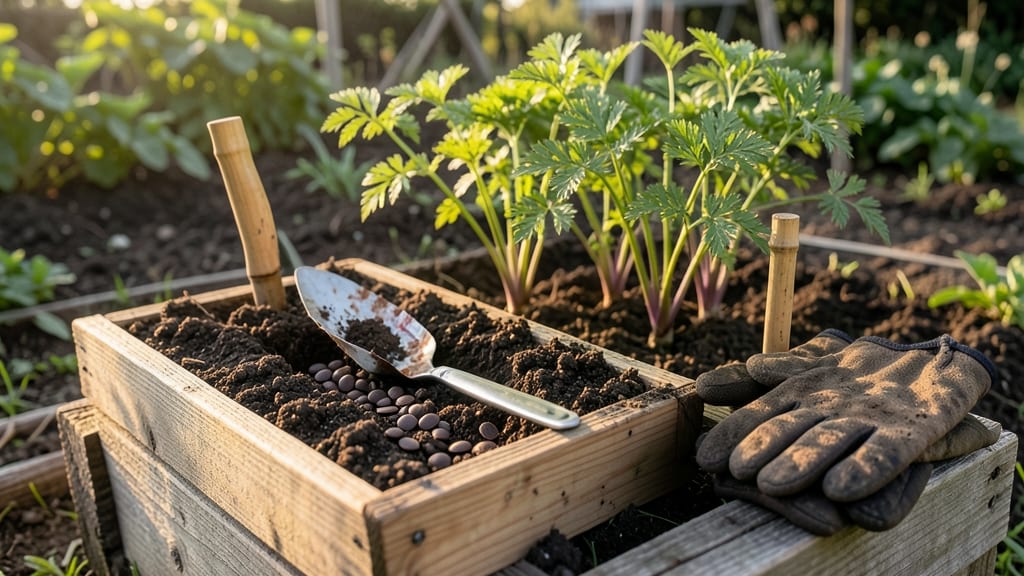
Timing your spring planting of 🥕 carrots can make or break your harvest—especially when cool soil slows germination. If you’ve ever waited weeks for tiny sprouts to appear, you’re not alone.
The key isn’t just checking the calendar but monitoring soil warmth, which directly impacts how quickly (or slowly) those seeds decide to grow.
Most gardeners in USDA Zone 6a start planting 2-4 weeks before the last frost, but that’s just the starting point. Without warm enough soil—ideally between 50-60°F—your seeds may languish for weeks.
I’ll show you how to test soil temperature the easy way, plus which carrot varieties sprout fastest in chilly conditions so you can skip the guessing game.
What if you’re eager to plant early but worried about frost? Don’t rush—cold soil can lead to uneven germination or even rot. Instead, I’ll walk you through simple tricks to warm your soil naturally, so your carrots pop up in 7-10 days instead of dragging out for weeks.
Ready to turn your spring planting into a fast, foolproof success?
From choosing the right varieties to avoiding common mistakes, this guide cuts through the confusion. You’ll learn exactly when to plant for your region, how to prep soil for speedy growth, and even how to extend your harvest with succession planting. Let’s get those 🥕 carrots growing—without the wait!
Best spring planting dates for carrots by US growing Zones
Carrots thrive when planted in warm soil—not just warm air. The ideal soil temperature for germination is between 50°F and 60°F, but they sprout best at 60°F or higher.
Planting too early in cold soil leads to slow germination and rot, while waiting too long risks bolting (premature flowering).
Your USDA hardiness zone determines the best window. Northern zones (3-5) have shorter growing seasons, so start 2-3 weeks before the last frost date. Southern zones (6-8) can plant as early as February or as late as July for fall harvests, but focus on spring planting in March-April.
Here’s how to align your planting with your zone’s soil warmth timeline, including adjustments for early vs. late spring:
In Zone 6a (like much of the Midwest), aim to plant 2–4 weeks before your last frost date. For example, if frost typically ends around April 15, start sowing seeds in early to mid-March.
If your soil stays cold, use black plastic mulch or straw mulch to warm it faster.
For northern climates (Zones 3–5), prioritize early-maturing varieties like ‘Early Nantes’ (60 days) to avoid bolting. In southern climates (Zones 7–8), you can plant twice a year: once in early spring and again in late summer for a fall harvest.
Pro tip: If your soil temperature drops below 50°F, carrots may rot before sprouting. Use a soil thermometer to check—it’s the most accurate way to confirm readiness. If it’s too cold, wait or use row covers to create a microclimate.
Timing isn’t just about the calendar—it’s about soil readiness. In my garden, I’ve learned that March plantings in Zone 6a often fail if the ground is still frozen, while April plantings (when dandelions bloom) almost always succeed. Pay attention to natural indicators like blooming weeds or thawing soil.
Once you’ve nailed the planting window, focus on succession planting every 2–3 weeks to keep a steady supply. This works especially well in Zones 6–8, where the growing season is long enough to support multiple plantings.
Common mistakes? Planting too deeply (carrots need 1/4-inch depth) or in compacted soil (which causes forking). Loosen the soil with a broadfork or add compost to improve drainage.
Ready to plant? Grab your soil thermometer and check the temperature—your carrots will thank you with fast, even germination and a bountiful harvest.
How to test soil warmth for carrots before planting
Carrot seeds need soil temperatures between 50-60°F to germinate reliably. Planting too early in cold soil often leads to uneven sprouting or seeds that rot before emerging. The good news? You don’t need fancy equipment to check—just a few simple tricks from my garden toolkit.
First, grab a soil thermometer (they’re cheap and worth it). Stick it 1-2 inches deep—where your carrot seeds will sit—and wait 30 seconds for an accurate reading. If it’s below 50°F, your seeds will struggle. Pro tip: Check temperatures at 10 AM when soil is warmest.
No thermometer? No problem. Use these three DIY methods to gauge soil readiness:
Still too cold? Warm your soil naturally with black plastic mulch (lay it down 1-2 weeks before planting) or cover the bed with straw bales. For raised beds, add compost or aged manure—it decomposes and generates heat.
Even a clear plastic bottle (cut in half) over seeds can create a mini greenhouse effect.
Remember, consistency is key. Soil temperature fluctuates daily, so check it for 3 consecutive days before planting. Once your soil hits that sweet 55-60°F range, your carrots will sprout in 7-14 days—no more waiting!
For extra peace of mind, plant a test row of fast-sprouting seeds like radishes first. If they pop up in 5-7 days, your carrots are next! 🌱