
Plants
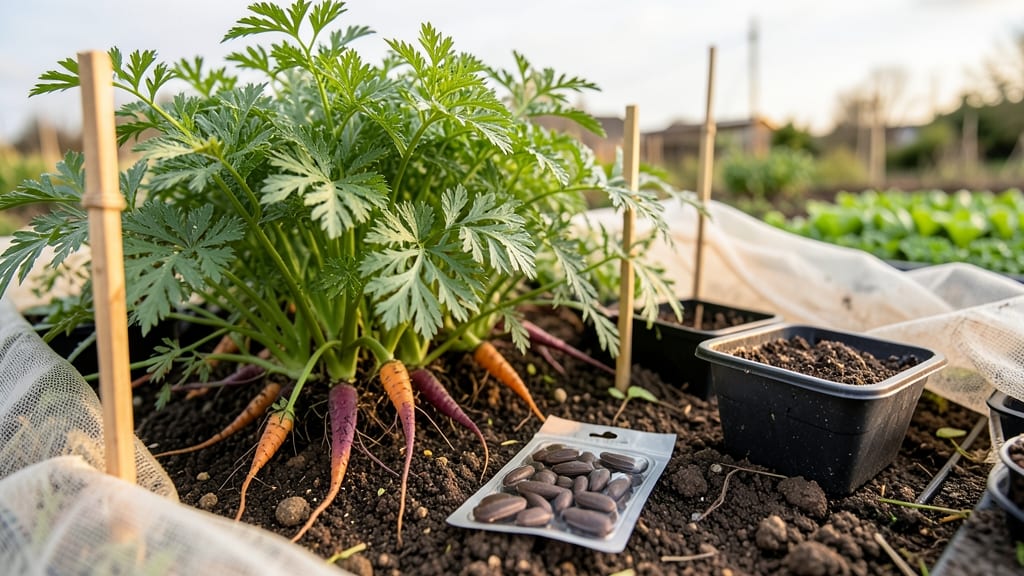
Timing your carrot seed planting in Michigan isn’t just about following a calendar—it’s about outsmarting Zone 5b-6a’s fickle frost dates and short growing season. Plant too early, and seedlings get nipped by late frosts; too late, and you miss the 150-180 frost-free days these crunchy roots need to mature.
The key? Staggered plantings from March through August, with soil temps hovering above 50°F—the magic threshold for germination.
Most Michigan gardeners swear by early spring plantings in March or April, but don’t stop there. Successive sowings every 2-3 weeks ensure a steady harvest from June through October.
Whether you’re in Detroit, Grand Rapids, or Traverse City, local frost averages (last frost: mid-April; first frost: mid-October) dictate your rhythm. Miss the window, and you’ll end up with stunted 🥕 or bitter roots.
Here’s the game-changer: cold-hardy varieties like ‘Danvers’ or ‘Nantes’ buy you extra time, while row covers shield seedlings from surprise late frosts. But timing isn’t just about frost—it’s also about soil prep.
Loose, well-drained earth and seeds planted just ¼-inch deep set the stage for success. Skip these steps, and even the best timing won’t save your crop.
Ready to turn Michigan’s unpredictable climate into your carrot-growing advantage? I’ll walk you through the exact frost-resistant schedule, from early spring to late summer, so you can enjoy homegrown 🥕 all season long—no guesswork required.
Michigan carrot planting timeline by frost dates (Zone 5b-6a)
Timing is everything when planting carrot seeds in Michigan, where last frost dates can vary by 2-3 weeks across regions. For Zone 5b-6a, I’ve broken down the ideal windows for early, mid, and late-season plantings to ensure your carrots thrive without frost damage.
Detroit’s average last frost is April 15, while Traverse City sees it May 1—so adjust accordingly!
Carrots need consistent soil temperatures above 50°F to germinate properly. In Michigan, this typically aligns with late April to early May for most areas. However, you can start indoor seedlings in March to get a head start, then transplant after the last frost.
For fall harvests, aim for July-August plantings to mature before first frost (usually mid-October).
Here’s the frost-resistant planting timeline tailored to Michigan’s USDA Zones 5b-6a, including soil temp thresholds and regional adjustments:
| Planting Window | Soil Temp Threshold | Last Frost Date (Avg.) | Harvest Window | Notes |
|---|---|---|---|---|
| Early Spring (Indoor Start) | N/A (Indoor) | March 15-April 1 | June-July | Start seeds indoors; transplant after last frost. |
| Primary Outdoor Planting | 50°F+ (Consistent) | April 15-May 15 | July-August | Best for Detroit, Lansing; use row covers if late frost risk. |
| Successive Plantings (Every 2 Weeks) | 50°F+ (Consistent) | May 1-June 15 | August-September | Extends harvest; ideal for Grand Rapids, Traverse City. |
| Fall Planting (Cold-Hardy Varieties) | 55°F+ (Minimum) | July 15-August 15 | October (Before Frost) | Use 'Danvers' or 'Nantes'; protect with row covers. |
For northern Michigan (e.g., Traverse City), delay outdoor plantings until May 1 to avoid late spring frosts, which can kill seedlings. In southern Michigan (e.g., Detroit), you can start as early as April 1 if soil temps are stable. Always monitor weekly frost forecasts—Michigan’s weather is famously unpredictable!
Pro tip: Use a soil thermometer to confirm temps before planting. Carrot seeds won’t germinate below 50°F, and cold, wet soil can cause rot. If your soil is too cold, wait or use black plastic mulch to warm it faster.
For fall plantings, choose cold-tolerant varieties like 'Chantenay' or 'Paris Market' to handle fall temperature drops.
In Zone 6a areas (e.g., Kalamazoo), you can push the envelope with late August plantings if you use row covers to extend the season. Just ensure your carrots have 60-70 days to mature before the first frost.
For Zone 5b (e.g., Marquette), stick to June plantings for fall harvests to avoid early frosts.
Remember: Carrots need consistent moisture to grow straight and sweet. After planting, keep soil evenly moist (not soggy) to prevent forked or hairy roots. Mulch with straw or shredded leaves to retain moisture and suppress weeds.
This is especially critical in Michigan’s dry summers, where soil can dry out quickly.
If you’re new to carrots, start with short-season varieties like 'Little Finger' (58 days) or 'Nantes' (65 days) for reliable harvests. Longer varieties (e.g., 'Danvers', 70+ days) need warmer soil and longer growing seasons, making them riskier in northern Michigan.
Always check seed packets for days to maturity and adjust your planting timeline accordingly.
Finally, mark your calendar for Michigan’s average first frost—typically October 10-20—to plan your last planting. For a continuous harvest, stagger plantings every 2 weeks from April to July. This way, you’ll have fresh carrots from June through October, even if Michigan’s weather throws a curveball.
How to extend carrot growing season in Michigan’s short summers
Michigan’s short growing season (just 150-180 frost-free days) can make carrot harvesting feel like a race against time. But with the right strategies, you can extend your harvest well into fall—even after the last frost date.
The key? Succession planting, cold-hardy varieties, and protective tools to shield tender seedlings.
Start by choosing slow-maturing varieties like ‘Danvers’ or ‘Nantes’, which tolerate cooler temps better than faster varieties. These can handle light frosts once established, giving you a 3-4 week extension into October.
Pair them with row covers or low tunnels to create a microclimate that delays frost damage by 2-3 weeks.
Succession Plant Every 2 Weeks
Sow new seeds every 2 weeks from mid-May to early July for staggered harvests. This ensures a continuous supply until frost.
Use Row Covers for Late Plantings
Install floating row covers over seedlings planted after July 15. This adds 5-10°F protection and extends the season by 3-4 weeks.
Choose Cold-Tolerant Varieties
Opt for ‘Chantenay’ or ‘Paris Market’—they handle 40°F soil temps and light frosts better than standard types.
Harvest Before Hard Frost
Pull carrots when soil temps drop below 40°F—even if tops are still green. Store in sand in a cool, dark place for 2-3 months.
For early spring plantings, use black plastic mulch to warm soil faster. This lets you start seeds 2-3 weeks earlier than the last frost date. Just remove the mulch once seedlings emerge to prevent overheating.
Pro tip: Interplant carrots with radishes (which mature in 30 days). The radishes mark carrot rows and signal when to harvest the slower-growing carrots. This dual-purpose trick maximizes space and time in Michigan’s tight schedule.
With these techniques, you’ll turn Michigan’s short summers into a long harvest—no more rushing to pull carrots before frost! 🥕🌱