
Plants
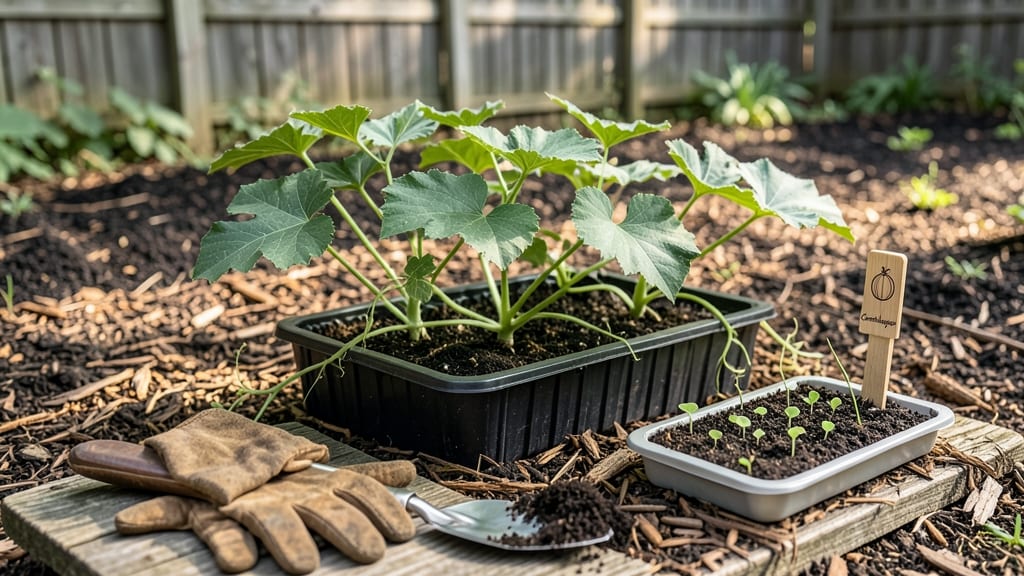
Timing your cantaloupe planting in Tennessee can make the difference between a bountiful harvest and a wasted season. The April 15 to May 15 window is your golden opportunity, but getting it wrong means watching your vines bolt before producing sweet 🍈 fruit.
This isn't just about avoiding frost—it's about soil temperatures hitting that critical 60-65°F range for strong germination. In zones 6a-7b, waiting too long risks summer heat stress, while planting too early can leave seedlings vulnerable to late frosts.
I'll show you exactly how to nail the timing, whether you're direct sowing seeds or transplanting seedlings. You'll learn the key soil prep steps and regional variations that make East Tennessee's cooler springs different from West Tennessee's warmer microclimates.
By the end, you'll have a clear planting schedule that accounts for Tennessee's unpredictable weather patterns. Let's get those cantaloupe vines thriving instead of struggling!
Optimal planting timeline for cantaloupe in Tennessee (soil temps & moon phases)
Cantaloupes thrive in Tennessee’s warm climate, but timing is everything. Plant too early, and you risk frost damage or bolting—when plants flower prematurely. Too late, and you’ll miss the 75-90 day harvest window.
The key is waiting for soil temperatures to hit 60-65°F consistently, which typically aligns with mid-April to mid-May across most of the state.
Tennessee’s USDA Zones 6a-7b mean your exact planting window varies by region. East Tennessee (e.g., Knoxville) often waits until late April, while Middle Tennessee (Nashville) and West Tennessee (Memphis) can start mid-April.
Always check your local last frost date—most areas see it between March 15 and April 15, but cold snaps can push it later.
For best results, align planting with the moon’s waxing phase, especially for the root crop that is cantaloupe. This traditional method boosts germination and root development.
Use a moon phase calendar to plan your direct sowing or transplanting dates, aiming for 2-3 weeks after the last frost when soil is warm enough.
Here’s a quick breakdown of your planting timeline by Tennessee region, including soil temp targets and moon phase tips to maximize success:
If you’re direct sowing seeds (the most common method for cantaloupes), plant ½ inch deep in mounds spaced 4-6 feet apart. This gives vines room to sprawl and improves air circulation, reducing disease risk.
For transplants, wait until seedlings are 3-4 weeks old and hardy enough to handle Tennessee’s spring temperature swings.
Pro tip: Use black plastic mulch to warm the soil faster and retain moisture. This can shave 1-2 weeks off your planting timeline, especially in East Tennessee’s cooler microclimates. Just remove it once vines start running to prevent overheating.
After planting, monitor soil temps with a soil thermometer—cantaloupes won’t germinate below 60°F. If nights dip below 50°F, use row covers or cloches to protect young plants.
Once established, cantaloupes love full sun (6-8+ hours daily) and well-draining soil with a pH of 6.0-6.8. Amend heavy clay soil with compost to improve drainage.
For a second harvest, you can try succession planting in late June if your summer stays hot. Choose fast-maturing varieties (like ‘Sugar Bush’) to ensure fruits ripen before the first frost, which typically hits October 15-November 15 in Tennessee.
🌱
How to prevent cantaloupe bolting in Tennessee’s unpredictable spring
Tennessee’s spring temperature swings can trick cantaloupes into bolting—sending vines skyward before fruiting. This happens when plants sense cool nights or soil temps below 60°F, triggering premature flowering.
The result? Bitter, undersized melons or no harvest at all. But with these proactive strategies, you can keep your cantaloupes focused on growth instead of reproduction.
First, monitor soil temperatures daily using a soil thermometer. Cantaloupes won’t germinate well below 60°F, and seedlings can bolt if nights dip below 55°F. In East Tennessee’s cooler microclimates, wait until May 1 to plant—even if West Tennessee gardeners start earlier.
Use black plastic mulch or row covers to warm the soil 5-10°F faster than bare earth.
🚨 Bolting Warning Signs
- Rapid vine growth without leaf expansion
- Yellowing leaves at the base of plants
- Flowers appearing within 3 weeks of germination
- Bitter-tasting test fruits (harvest a small one)
If you spot these, your cantaloupes are already bolting. Try next year’s soil warming or shade cloth strategies.
For extra protection, use shade cloth (30-50%) during late spring heatwaves (common in May). This mimics consistent summer conditions and prevents the plant’s stress response that triggers bolting. Pair this with drip irrigation to maintain even moisture—fluctuations stress plants and can accelerate bolting.
Companion planting also helps. Interplant cantaloupes with basil or marigolds, which repel pests that weaken vines. Avoid planting near cucumbers or squash, which compete for nutrients and can increase bolting risk due to shared diseases.
In container gardens, choose heat-tolerant varieties like ‘Athena’ and place pots on black plastic trays to absorb and retain heat.
Finally, adjust your planting date based on 7-day forecasts. If a cold snap is predicted within 2 weeks of planting, delay by 10-14 days. Use biodegradable seed coatings (like those with mycorrhizal fungi) to help seedlings establish faster in cool, wet springshumid valleys.
With these bolting-prevention tactics, your cantaloupes will stay focused on vine growth and fruit development instead of racing to reproduce. The key? Warm soil, consistent moisture, and patience—especially in Tennessee’s unpredictable spring. 🌱