
Plants
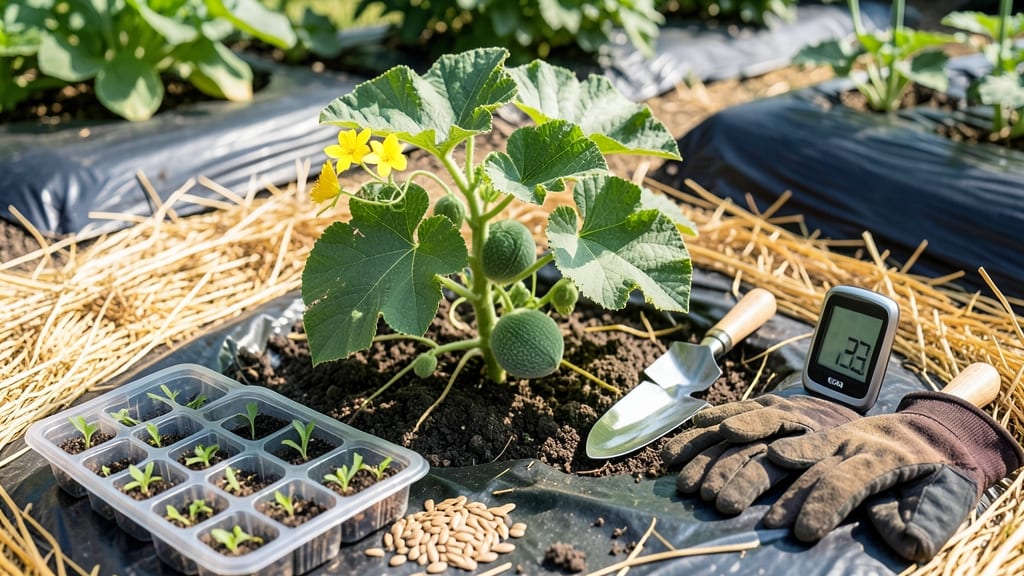
If you’ve ever dreamed of harvesting sweet, sun-ripened 🍈 cantaloupes from your Arkansas garden, when to plant cantaloupe in Arkansas is the secret ingredient—get it wrong, and you’re left with frost-nipped seedlings or missed harvests.
The key to success lies in planting after the last frost, when soil temperatures hit 70°F, ensuring your vines thrive in Arkansas’ 7a-8a climate.
Most Arkansas gardeners know mid-April to early May is the sweet spot, but regional differences matter. In northern areas like Fayetteville, wait until late April, while southern zones near Texarkana can start earlier. The goal? Give your cantaloupes 180-210 frost-free days to mature by September.
You might wonder whether to start seeds indoors or sow directly. Here’s the game-changer: cantaloupes despise cold soil, so direct-sowing after frost is often easier. But if you’re eager to jumpstart growth, transplant seedlings when they’re 2-3 weeks old—just be ready to protect them from late spring chills.
Ready to avoid common pitfalls like overcrowded vines or soil that’s too cool? I’ll walk you through the exact steps to time your planting perfectly, so your garden yields juicy, vine-ripened cantaloupes every summer. Let’s get started.
Best planting dates for cantaloupe in Arkansas by region
Cantaloupe thrives in Arkansas’ hot summers, but getting the timing right means avoiding frost damage while maximizing harvest potential. Unlike cooler crops, cantaloupe seeds need soil temperatures above 70°F to germinate—air temperature alone won’t cut it.
Let’s break down the ideal planting windows for Arkansas’ three key regions: North (Fayetteville), Central (Little Rock), and South (Texarkana).
Most Arkansas gardeners aim for mid-April to early May as their primary planting window, but regional differences in last frost dates and soil warming mean adjustments are key.
For example, northern Arkansas (USDA Zone 7a) often waits until mid-May, while southern Arkansas (Zone 8a) can start as early as late March if using black plastic mulch to warm the soil faster.
Here’s why soil temperature matters more than air temperature: cantaloupe seeds won’t sprout until the soil hits 70°F, even if the air is warm. Use a soil thermometer (just $10 at garden centers) to confirm readiness—planting too soon leads to rotten seeds or slow, uneven germination.
For direct sowing (planting seeds outdoors), Arkansas gardeners should wait until after the last average frost date and ensure nighttime temperatures stay above 55°F. If you’re starting seeds indoors, begin 4–6 weeks before your target outdoor planting date to give seedlings a head start in warmth-loving cantaloupe.
Here’s a regional breakdown of when to plant cantaloupe in Arkansas, including soil temperature thresholds and last frost averages to guide your schedule:
| Region | Last Frost Date | Ideal Planting Window | Soil Temp Threshold | Notes |
|---|---|---|---|---|
| Northern Arkansas (Fayetteville) | April 15 | Mid-May to early June | 70°F+ | Use black plastic mulch to warm soil faster. |
| Central Arkansas (Little Rock) | March 30 | Late April to mid-May | 70°F+ | Best for early varieties like 'Athena' or 'Hale’s Best'. |
| Southern Arkansas (Texarkana) | March 15 | Late March to early April | 65°F+ (earlier with mulch) | Longer growing season; can plant successive crops. |
If you’re starting seeds indoors, begin 4–6 weeks before your target outdoor date to ensure seedlings are 3–4 inches tall with 2–3 true leaves before transplanting. Use biodegradable pots to avoid root disturbance, and harden off seedlings for 7–10 days before moving them outside.
Arkansas’ humidity and heat can stress young plants, so shade cloth during the first week helps.
For direct sowing, plant seeds 1 inch deep and 3–4 feet apart in raised beds or mounds to improve drainage—cantaloupe hates soggy roots. Space rows 5–6 feet apart to allow vines to sprawl.
In Arkansas, black plastic mulch warms the soil 5–10°F faster, letting you plant 2–3 weeks earlier and extend the season by 2–3 weeks later. It also suppresses weeds and retains moisture, critical during Arkansas’ dry spells.
Pro tip: Plant cantaloupe near corn or beans—these nitrogen-fixing companions improve soil fertility, while marigolds deter pests like cucumber beetles, a common Arkansas nuisance. Avoid planting near potatoes or squash, which compete for nutrients and attract similar pests.
Timing isn’t just about the calendar—it’s about soil warmth, regional microclimates, and preparation. By aligning your planting with local frost-free dates and soil temperature thresholds, you’ll give your cantaloupe vines the best shot at a bountiful harvest before Arkansas’ first frost in November.
How to extend your Arkansas cantaloupe growing season
Arkansas summers are perfect for cantaloupe, but what if you want to push your harvest earlier or later? With the right techniques, you can extend your growing season by weeks—even months. Cold frames, row covers, and black plastic mulch are game-changers for Arkansas gardeners.
These methods help warm soil faster in spring or protect plants from unexpected late frosts.
I’ve tested these strategies in my own garden, and they’ve helped me harvest cantaloupes as early as June or as late as October. The key is balancing cost, effort, and effectiveness.
For example, black plastic mulch raises soil temperatures by 10-15°F, which is critical for cantaloupe seeds that need 70°F+ soil to germinate.
Here’s a quick breakdown of the best methods to extend your cantaloupe season in Arkansas, along with their pros and cons:
Extend Your Cantaloupe Season: Pros & Cons
Black Plastic Mulch
- Pros: Warms soil 10-15°F, suppresses weeds, retains moisture
- Cons: Requires upfront cost (~$20/roll), can overheat soil if not removed
Row Covers
- Pros: Protects from light frosts (28°F tolerance), extends spring/fall harvests
- Cons: Reduces airflow (can increase humidity), needs staking for vines
Cold Frames
- Pros: Extends season by 4-6 weeks, reusable for years
- Cons: Labor-intensive to build, limited space for large vines
Companion Planting
- Pros: Natural pest control (e.g., marigolds repel nematodes), no cost
- Cons: Limited effectiveness alone, requires planning
For Arkansas gardeners, black plastic mulch is my top recommendation if you’re planting early. It’s affordable and dramatically speeds up soil warming, which is critical for cantaloupe seeds.
If you’re dealing with late spring frosts, row covers are a lifesaver—they can protect young plants down to 28°F, giving you an extra buffer.
Pro tip: Combine methods for maximum results. Use black plastic mulch to warm the soil early, then add a row cover for extra frost protection. I’ve even seen gardeners in northern Arkansas use cold frames to start seeds 4 weeks earlier than the traditional timeline.
Just be sure to remove covers during the day to prevent overheating.
Remember, cantaloupes need full sun and warm soil to thrive. Any extension method should prioritize these needs. Start small—test one technique at a time—and adjust based on your Arkansas microclimate. With the right approach, you could be enjoying homegrown cantaloupes throughout the summer and into early fall! 🍈