
Plants
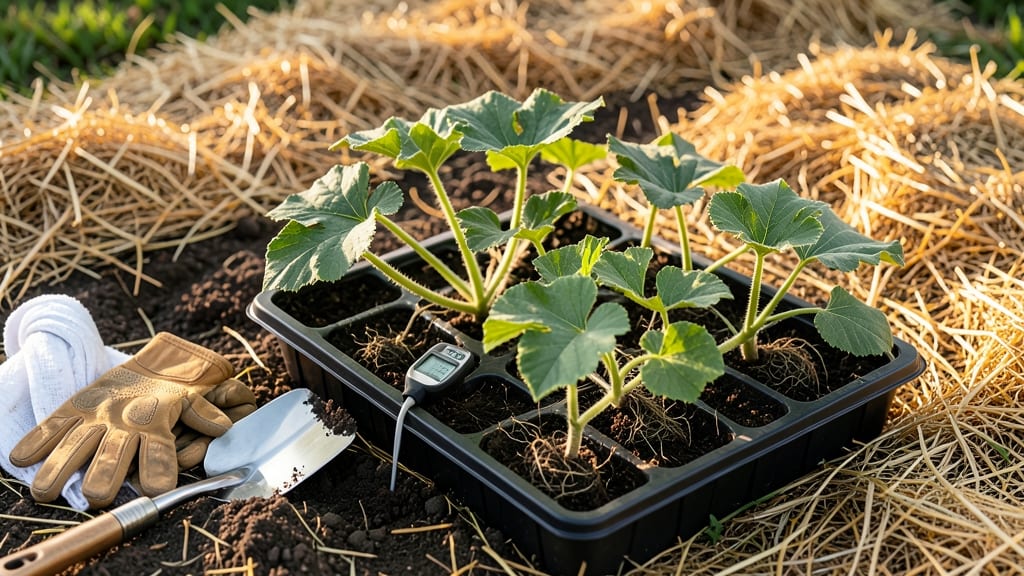
Knowing when to plant cantaloupe in Michigan can mean the difference between a sweet summer harvest and a wasted season. 🍈 Michigan's cool springs often trick gardeners into planting too early, causing seedlings to bolt before they even fruit.
The key isn't just the calendar date—it's understanding your soil's hidden secrets.
Most gardeners wait until after the last frost, but that's only half the battle. Cantaloupes need soil that's warmed to atstrong>70°F before they'll thrive. In Michigan's 5b-6b zones, that typically means holding off until late May in the north and early May in the southern regions.
Without this warmth, your plants will struggle to establish roots and produce fruit.
I've learned the hard way that rushing cantaloupe planting leads to disappointment. Whether you're starting seeds indoors or planting directly in the garden, timing is everything. Let me show you exactly how to read your soil's temperature cues and choose the perfect planting window for your Michigan location.
In this guide, you'll discover proven methods to avoid common pitfalls like bolting and poor fruit set. From soil thermometers to regional planting charts, I'll walk you through everything you need to grow cantaloupes that actually ripen in Michigan's climate. Let's get those vines growing strong!
Michigan cantaloupe planting dates by hardiness Zone (with soil temperature rules)
Michigan's diverse climate—from the Upper Peninsula's chilly Zone 3-4 to the Thumb's warmer Zone 6-7—demands precise cantaloupe planting timing. The key? Soil temperature, not just air temperature.
Cantaloupe seeds need soil at least 70°F to germinate, while seedlings thrive when nighttime temps stay above 55°F. Planting too early triggers bolting (premature flowering), wasting your effort.
Southern Michigan (Zones 5-6) has a 150-day frost-free window, perfect for cantaloupe's 75-90-day maturity. Northern regions (Zones 3-4) must start seeds indoors or use black plastic mulch to warm soil faster.
The Thumb region (Zone 6-7) can direct-sow as early as mid-April if soil is ready.
Here’s how to align your planting with Michigan’s zones and soil conditions:
| Region | USDA Zone | Last Frost Date | Direct Sow Window | Transplant Window | Soil Temp Requirement |
|---|---|---|---|---|---|
| Upper Peninsula | 3-4 | Mid-May | Late May - Early June | After June 1 (start indoors in April) | 70°F+ (use black plastic mulch) |
| Northern Lower | 4-5 | Mid-May | Early May (if soil warm) | Late May - Early June | 70°F+ (wait for consistency) |
| Southern Michigan | 5-6 | Early May | Mid-April - Early May | Late April - Early May | 65°F+ (minimum for germination) |
| Michigan Thumb | 6-7 | Late April | Mid-April (earliest in state) | Early April (transplant hardy starts) | 60°F+ (soil warms faster here) |
For direct sowing, wait until soil reaches 70°F consistently for 5 days. Use a soil thermometer (cheap and game-changing) to avoid guesswork. In cooler zones, transplanting 4-6 week old seedlings after last frost works better—just harden them off first.
Pro tip: Black plastic mulch raises soil temps by 10-15°F, letting you plant 2-3 weeks earlier in Northern Michigan. Lay it down 1-2 weeks before planting to warm the soil faster.
Even in warm zones, nighttime temps below 55°F stunt growth. Use row covers for early starts, then remove them when flowers appear to prevent overheating.
Remember: Cantaloupe’s 75-day minimum to harvest means you’ve got a tight window. In Zone 4, aim for June 1 planting to harvest by Labor Day. In Zone 6, you can stretch it to July 4 with success.
🌱
How to test soil temperature for cantaloupe success (step-by-step guide)
Testing soil temperature is the secret weapon against wasted cantaloupe planting efforts. Unlike air temperature, soil warms slowly—especially in Michigan's cool springs. A soil thermometer (just $10 at garden centers) reveals when your cantaloupe's roots will finally thrive.
Without it, you're guessing, and guesswork leads to bolting or stunted growth.
Cantaloupe seeds need soil at 70°F to germinate, while established plants prefer 75-85°F for optimal growth. Morning soil temps are 2-5°F cooler than afternoon readings, so take measurements in the late afternoon (between 2-4 PM) when soil has absorbed maximum heat from the sun.
Here's my foolproof step-by-step guide to testing soil temperature like a pro:
-
Step 1: Choose the Right Tool
Use a digital soil thermometer (like the ThermoPro TP11) with a 4-inch probe. Avoid cheap glass ones—they break easily and give inconsistent readings.
-
Step 2: Test at Planting Depth
Insert the probe 2 inches deep (where cantaloupe roots will first establish). Take readings from 3-5 spots in your garden bed for accuracy.
-
Step 3: Time Your Test
Measure between 2-4 PM on a sunny day. Cloud cover can drop temps by 10°F+, so avoid testing after rain or on overcast mornings.
-
Step 4: Monitor for Consistency
Check temps daily for 3-5 days. Soil needs to stay at 70°F+ for 5 consecutive days before planting. Morning temps can drop below 55°F, which stresses seedlings.
-
Step 5: Adjust Your Plan
If soil isn't warm enough, use black plastic mulch (raises temps by 10-15°F) or switch to transplanting hardened-off seedlings.
For gardeners without a thermometer, watch for these natural cues: Dandelions blooming means soil is 55°F+, while blackberries leafing out signals 65°F+. But these are rough estimates—nothing beats a thermometer for precision.
Pro move: Place your thermometer in the sunniest part of your garden (south-facing beds warm fastest). If you're using raised beds, they warm 3-5°F faster than ground soil, so adjust your planting timeline accordingly.
Remember, cantaloupe vines won't tolerate cold snaps. Even if soil hits 70°F, a 45°F night can shock plants. Use row covers for the first week after transplanting to protect young seedlings.
🌡️