
Plants
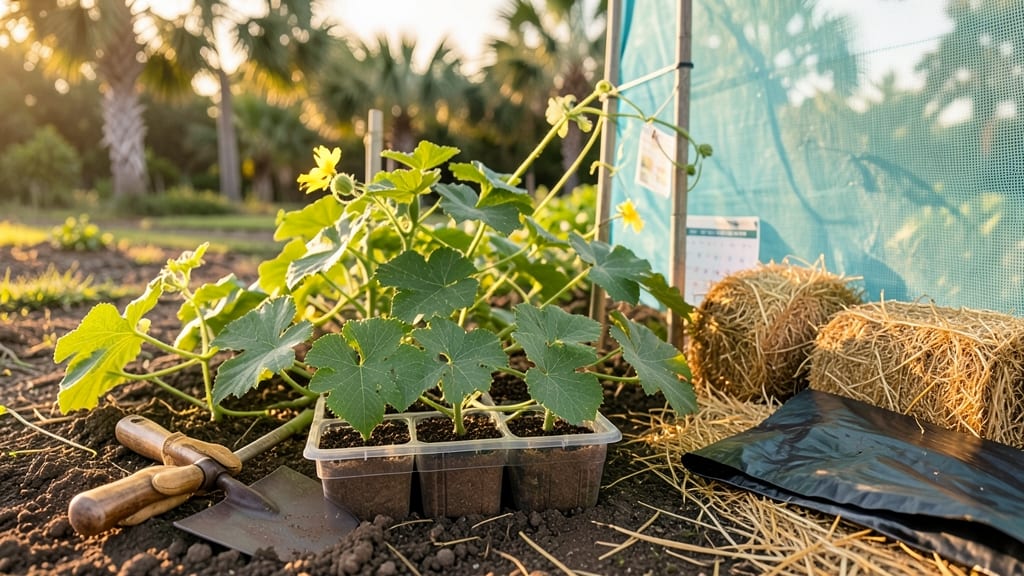
Timing your cantaloupe planting in Florida could mean the difference between a bountiful harvest of sweet 🍈 melons and a disappointing garden. Since Florida’s frost-free climate gives you year-round growing potential, knowing the exact window to plant is the key to success.
Unlike northern states, you don’t have to worry about frost ruining your crop—but that doesn’t mean you can plant anytime. The secret lies in waiting for soil temperatures to hit at least 70°F, which typically happens between February and April for most Florida regions.
In this guide, I’ll break down the perfect planting schedule for your zone, whether you’re starting seeds indoors or sowing directly into the warm Florida soil. You’ll also discover how to avoid common mistakes that could leave your vines struggling in the heat.
Ready to grow cantaloupes that taste like summer? Let’s get started with the exact timing and techniques that work in Florida’s unique climate.
Florida’s cantaloupe planting zones: hardiness, frost dates, and heat tolerance
Florida’s frost-free climate makes it one of the best places to grow cantaloupe, but timing still matters. Unlike northern states, Florida gardeners don’t have to worry about last frost dates, but soil temperature and heat tolerance dictate when to plant.
Cantaloupe thrives in USDA zones 9a-11, which covers all of Florida, but regional microclimates create slight variations.
The state is divided into 10 planting zones (A-D), each with unique temperature patterns. For example, North Florida (Zone A) experiences occasional winter chills, while South Florida (Zone D) stays warm year-round. Understanding these zones helps you avoid early-season cold snaps or mid-summer heat stress.
Cantaloupe seeds need soil temperatures above 70°F (21°C) to germinate properly. In Florida, this typically aligns with February to April for most regions. However, South Florida gardeners can plant as early as January in protected beds, while North Florida may need to wait until mid-March to avoid unexpected cold snaps.
Here’s how Florida’s planting zones break down for cantaloupe success:
In North Florida (Zone A), I recommend starting seeds indoors 8 weeks before your target planting date to give seedlings a head start. For example, if you’re planting in mid-March, begin seeds around January 15th.
This buffer helps seedlings survive any late cold snaps that might dip below 60°F.
For Central and South Florida (Zones B-D), direct sowing outdoors is often easier. The warmer soil in these regions allows for earlier planting, but I still suggest waiting until soil temperatures consistently reach 70°F. Use a soil thermometer to monitor—this tool is a game-changer for avoiding failed germination.
One common mistake I see is planting cantaloupe too early in North Florida without protection. Even a light frost can kill young seedlings, and cantaloupe is far more sensitive than squash or pumpkins.
If you’re eager to start early, use row covers or black plastic mulch to warm the soil faster and shield seedlings from unexpected cold.
In South Florida, the real challenge is heat stress during summer months. Cantaloupe can bolt (flower prematurely) if temperatures exceed 95°F (35°C).
To combat this, I plant shade cloth over young plants or choose heat-tolerant varieties like ‘Athena’ or ‘Hale’s Best’, which handle Florida’s summer heat better than standard types.
Finally, remember that cantaloupe is a warm-season crop that hates cold. Even in frost-free Florida, North Florida gardeners should avoid planting before March 1st, while South Florida can push the envelope to January for an early harvest.
The key is balancing soil warmth, air temperature, and regional microclimates.
Step-by-step planting timeline: when to start seeds indoors vs. direct sowing outdoors
Florida’s long growing season gives you flexibility with cantaloupe, but timing still matters. Whether you’re starting seeds indoors or direct-sowing outdoors, your goal is to plant when soil temps hit 70°F+—cantaloupes hate cold soil.
In North Florida, this means waiting until mid-March to April, while South Florida gardeners can start as early as late January.
For indoor seed starting, begin seeds 8 weeks before your last frost date (though Florida rarely has frost). North Florida gardeners should start seeds indoors by late January, while South Florida can begin as early as December. Use biodegradable pots to avoid transplant shock.
Here’s your exact planting timeline for Florida’s regions:
North Florida: Late January (8 weeks before last frost)
South Florida: December (soil warms faster)
Move pots outdoors gradually (7–10 days) before transplanting
Avoid direct sun at first to prevent stress
North Florida: Mid-April (after soil hits 70°F)
South Florida: Late February (earlier in warm microclimates)
Apply 2–3 inches of mulch to retain moisture
Water deeply at the base (avoid wetting leaves)
If you’re direct-sowing outdoors, wait until soil temps are consistently 70°F+. Use a soil thermometer to check—cantaloupe seeds won’t germinate in cooler soil. For fall harvests, try planting late August in North Florida or July in South Florida, but expect smaller yields due to shorter days.
Pro tip: Black plastic mulch warms soil faster and speeds up germination. Just remove it once vines start spreading to prevent overheating. With the right timing, you’ll be harvesting cantaloupes by late spring—just in time for summer picnics! 🍈