
Plants
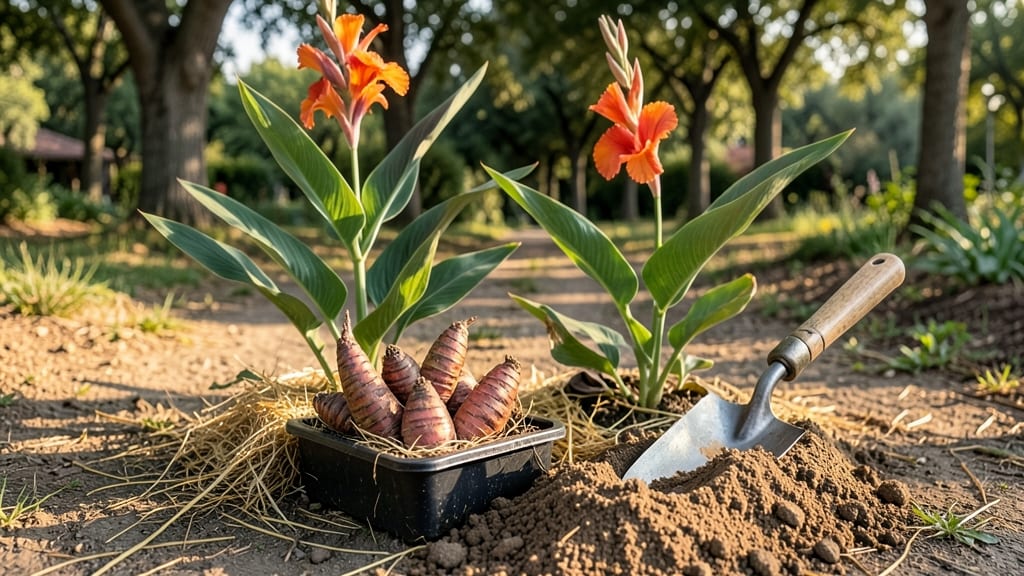
Timing is everything when it comes to growing vibrant Canna Lily displays in Nebraska's unpredictable climate—but knowing when to plant canna bulbs in Nebraska is the secret to unlocking bold summer blooms that thrive despite the state's heat.
Plant too early, and frost will nip your tropical beauty in the bud. But get the schedule just right, and you'll unlock bold summer blooms that thrive in the state's heat.
Nebraska's 5a-6b zones demand precision - we're talking after last frost, typically mid-May, when soil temperatures hit that sweet spot of 60°F. That's when those rhizomes wake up and start growing like crazy, giving you that lush foliage and stunning flowers by July.
I've learned the hard way that rushing the process can mean wasted effort. The key is patience - waiting for those warm soil conditions ensures your Canna Lily establishes strong roots before summer's full heat arrives.
This isn't just about planting dates; it's about understanding how Nebraska's climate plays with these tropical plants.
Let me show you exactly how to time your planting for maximum impact, including smart strategies to extend that bloom season through Nebraska's short growing period. We'll cover everything from soil prep to protecting your plants when temperatures dip unexpectedly.
Best planting timeline for canna bulbs in Nebraska’s climate zones
Nebraska’s USDA Zones 5a-6b create unique challenges for growing canna lilies, which crave warmth. The key to success lies in planting after the last frost date—typically mid-April to early May—but also ensuring the soil temperature reaches at least 60°F.
In colder microclimates like western Nebraska, this might mean waiting until late May.
Unlike frost-sensitive annuals, cannas can handle short growing seasons if planted early enough. However, rushing the process risks frost damage to tender rhizomes. My rule of thumb? Wait until nighttime temperatures consistently stay above 55°F before planting—this usually aligns with late May in most of Nebraska.
Here’s the critical window broken down by region: Eastern Nebraska (warmer) can plant as early as mid-May, while Western Nebraska (cooler) should wait until early June. Container-grown cannas offer flexibility, allowing you to move them indoors if frost threatens unexpectedly.
For gardeners in USDA Zone 5a, where late frosts are common, consider starting cannas in containers indoors under grow lights. This gives you a 2-3 week head start before transplanting outdoors after Memorial Day.
I’ve had great success with this method in Lincoln’s climate, where unexpected May frosts can still occur.
Another pro tip: Use a soil thermometer to monitor temperatures. Canna rhizomes won’t sprout until soil reaches 60°F, and planting too early in cooler soil can lead to rot. In Nebraska’s clay-heavy soils, warming happens slower—so don’t rush the process.
If you’re in a microclimate with slower warming (like near water bodies or shaded areas), extend your planting window by 1-2 weeks. These spots often stay cooler longer, delaying the ideal 60°F soil temperature threshold.
For container gardening, the timeline shifts slightly. You can plant canna rhizomes in pots 2 weeks earlier than in-ground because containers warm up faster. Just ensure your containers have drainage holes and use a lightweight potting mix to prevent waterlogging.
Remember: Canna lilies are heat-loving powerhouses that reward patience. The longer you wait for ideal conditions, the more dramatic your summer blooms will be. In my Omaha garden, waiting until late May consistently yields taller stems and bigger flowers than early plantings.
Once planted, maintain consistent moisture and watch for new growth within 2-3 weeks. If planted correctly, your cannas will thrive through Nebraska’s hot summers and provide stunning late-season color when many other plants fade.
Best planting timeline for canna bulbs in Nebraska’s climate zones
Nebraska’s USDA Zones 5a-6b mean canna bulbs need precise timing—plant too early, and frost will kill them; too late, and you’ll miss peak summer blooms. The key is waiting until soil temperatures reach 60°F and all frost risk has passed, typically mid-to-late May in most of the state.
For Zone 5a (western Nebraska), aim for May 15-30 when nights stay above 50°F. In Zone 6b (southeastern Nebraska), you can plant as early as early May, but monitor forecasts for late frosts. Urban areas like Omaha may experience 2-3 weeks earlier planting due to heat islands.
Canna bulbs (rhizomes) thrive in heat and humidity, so Nebraska’s summer heat is perfect once established. However, early planting risks rot from cool, wet soils—a common issue in Nebraska’s spring. Use a soil thermometer to confirm readiness before planting.
🌱 Pro Tip: If you’re eager to start, plant in containers indoors under grow lights in April, then transplant outdoors after the last frost. This gives you a 2-3 week head start on garden-planted cannas.
| USDA Zone | Last Frost Date | Ideal Planting Window | Soil Temp Requirement |
|---|---|---|---|
| 5a (Western NE) | May 15-30 | Mid-to-late May | 60°F+ |
| 6a (Central NE) | May 1-15 | Early-to-mid May | 60°F+ |
| 6b (Southeast NE) | April 25-May 10 | Early May | 60°F+ |
Once planted, cannas grow 3-4 inches per week in Nebraska’s heat. By late June, you’ll see dramatic foliage, and July-August brings those showstopping blooms. To maximize growth, choose south-facing beds with 6+ hours of sun—critical in Nebraska’s shorter summer days.
For container gardening, plant rhizomes in well-draining pots with a heat-retentive fabric (like black plastic) around the base to warm the soil faster. This extends your planting window by 1-2 weeks in cooler microclimates.
Remember: Canna bulbs are tender perennials in Nebraska. Dig up and store rhizomes before the first frost (typically mid-October) to replant next spring. 🌺