
Plants
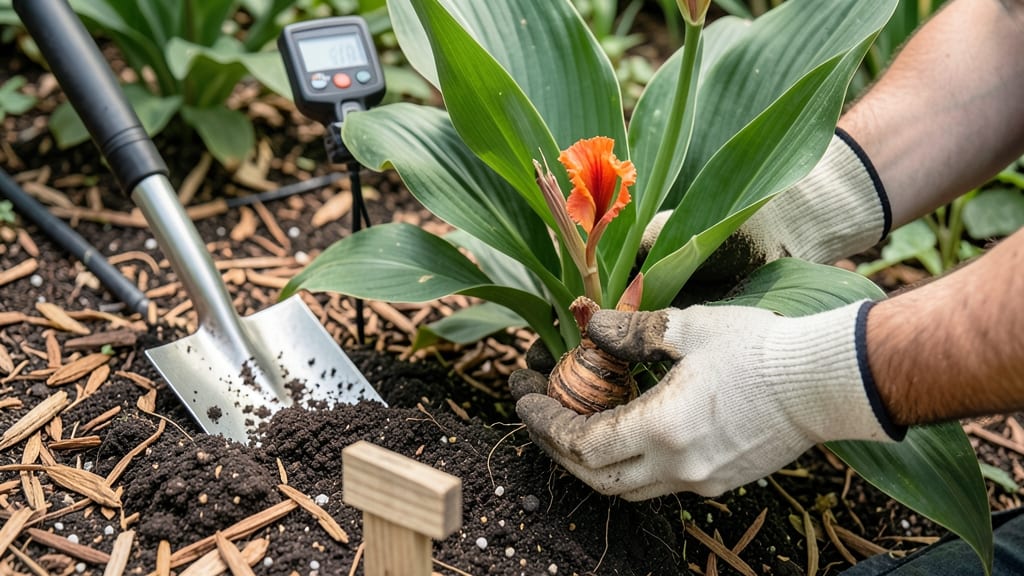
Planting Canna Lily bulbs at the wrong time in Wisconsin could mean losing those stunning 🌸 blooms before they even appear. The key to success isn't just waiting until spring—it's knowing exactly when your soil reaches the perfect temperature for these tropical plants to thrive.
Wisconsin's 4b-6a climate zones mean last frost dates vary dramatically, from early May in southern areas to late May or even June in the north. But timing isn't just about frost—it's about soil warmth.
These dramatic plants need temperatures consistently above 60°F to sprout properly, which often means waiting until mid-to-late May even in warmer regions.
I've learned the hard way that rushing canna bulbs into cold soil leads to rot, while waiting too long might mean missing the ideal planting window.
The good news? With the right approach, you can get these bold beauties established just in time for their late summer to early fall showstopper blooms.
In this guide, I'll walk you through exactly when to plant—plus soil prep tips, depth guidelines, and care tricks—to ensure your canna lilies put on the biggest, most vibrant display Wisconsin summers have to offer. Let's make sure your garden gets the drama it deserves!
Ideal soil temperature for planting canna bulbs in Wisconsin (60°F rule explained)
Wisconsin’s variable climate makes soil temperature the #1 factor for successful canna bulb planting. These tropical plants won’t thrive until the ground warms to at least 60°F—any earlier, and frost will kill tender rhizomes.
In USDA Zones 4b-6a, this typically means waiting until late May or early June, but timing shifts dramatically between southern Wisconsin (Zone 5b) and northern areas (Zone 4a).
The 60°F rule isn’t arbitrary—canna rhizomes need warmth to activate growth. Below this threshold, roots stay dormant, and the plant wastes energy trying to sprout. Use a soil thermometer (just $10 at garden centers) to check temperatures 1 inch deep—this is where rhizomes will sit.
In Milwaukee (Zone 5a), you might plant by May 20, while in Duluth (Zone 4a), wait until June 10 or later.
Here’s the kicker: even after last frost, cold soil can stall growth. I’ve seen cannas planted in early May in Madison wither because the soil was still 50°F. Patience pays off—waiting an extra week for consistent 60°F+ soil ensures vigorous blooms by July.
🌱
Pro tip: Black plastic mulch can raise soil temps by 5–10°F, letting you plant 1–2 weeks earlier in cooler zones. Lay it down 2 weeks before planting to warm the soil naturally.
I’ve used this trick in Green Bay (Zone 4b) to get cannas blooming by mid-July instead of August.
Watch for false springs—those warm April days that trick you into planting early. Canna rhizomes can sprout in 50°F soil, but a single 30°F night will kill them.
If you’re tempted to plant early, cover rhizomes with straw mulch (3–4 inches thick) as a frost blanket—but only if you’re committed to monitoring temps nightly.
For container gardeners, soil warms faster in pots, so you can plant 2–3 weeks earlier than in-ground. Use black pots or wrap containers in black plastic to absorb heat. Just ensure pots have drainage holes—cannas hate soggy roots, even in summer.
🌡️
If you’re still unsure, start rhizomes indoors in late April using 6-inch pots and a grow light. Transplant outdoors after the soil hits 60°F—this gives you a 2-week head start on garden-center plants. I’ve had 7-foot cannas by August using this method in Waukesha (Zone 5a).
Remember: rushing cannas leads to stunted growth or no blooms. The 60°F rule isn’t just a guideline—it’s your ticket to dramatic summer color. Mark your calendar for Mother’s Day weekend (May 12–18) as your target planting window in most of Wisconsin.
Step-by-step guide: when and how to plant canna bulbs in Wisconsin’s climate zones
Wisconsin’s diverse climate zones—from USDA 4b in the north to 6a in the south—mean your planting timeline should match your location. In Milwaukee (Zone 5b), you can start as early as mid-May, while Duluth (Zone 4a) gardeners should wait until late May or early June.
To determine your exact window, check your last average frost date (typically May 15 in southern WI, June 1 in northern WI) and confirm soil temperatures have reached 60°F at 4-inch depth. Use a soil thermometer—this is critical for avoiding rot.
Pro Tip: If you’re in a microclimate (like a sheltered urban garden in Madison), you might plant 1-2 weeks earlier than rural areas. Always prioritize soil warmth over calendar dates.
- Step 1: Prep Soil – Mix compost or aged manure into garden beds for well-draining, fertile soil. Canna lilies thrive in moist but not soggy conditions.
- Step 2: Plant Depth – Place rhizomes (not bulbs!) 2-4 inches deep, with the eyes facing up. Space them 12-18 inches apart for mature plants.
- Step 3: Water Immediately – Give a deep soak after planting to settle soil and encourage root growth. Avoid overhead watering to prevent fungal issues.
- Step 4: Mulch Lightly – Apply 2-3 inches of mulch (straw or shredded leaves) to retain moisture and regulate soil temperature.
- Step 5: Monitor for Sprouts – In 2-4 weeks, you’ll see shoots emerge. Once established, these plants are drought-tolerant but prefer consistent moisture.
For container gardening, use pots at least 12 inches deep with drainage holes. Plant one rhizome per 5-gallon container and place in a south-facing spot for maximum sun exposure.
Remember: Canna lilies are tropical and won’t tolerate frost. If an unexpected late frost threatens, cover young plants with frost cloth or move containers indoors temporarily. Their bold foliage and vibrant blooms are worth the wait!
Once planted, these dramatic perennials will reward you with summer-long color—just don’t rush the process. Patience is key to those showstopping canna blooms by July 4th! 🌸