
Companion Plants
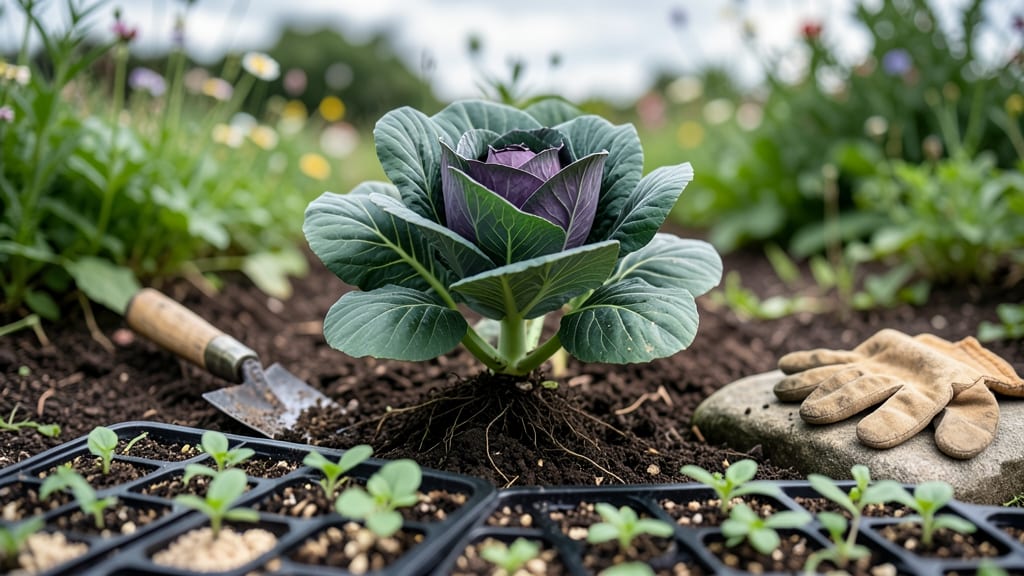
Timing your cabbage 🥬 planting in Pennsylvania can feel like cracking a code—too early, and frost zaps your seedlings; too late, and summer heat sends them bolting before harvest. But get it right, and you'll enjoy crisp, homegrown heads from June through November.
The key lies in Pennsylvania's 5b-7a zones, where spring and fall windows offer the perfect balance. Plant too soon, and those tender seedlings won't survive late frosts. Wait too long, and summer's heat turns your cabbage into a sad, bitter mess.
I'll show you exactly when to start seeds indoors and when to sow directly for foolproof results.
You don't need to guess which varieties will handle Pennsylvania's swings—just a few heat-tolerant picks like 'Golden Acre' or 'Cavalo' that stay cool under summer sun.
I'll walk you through the exact planting schedule, from March 15 to August 31, so you can avoid the common mistakes that waste garden space.
Whether you're a first-time gardener or a seasoned grower, these strategies will help you maximize your harvest. Let's break down the science of timing so you can enjoy fresh 🥬 cabbage straight from your garden all season long.
Best planting times for cabbage in Pennsylvania’s climate zones
Pennsylvania’s USDA hardiness zones 5b-7a create unique challenges for cabbage growers, but understanding frost dates and heat tolerance lets you plan for two successful harvests. The average last frost arrives around April 15, while the first frost typically hits October 15. These dates frame your planting windows perfectly.
For spring cabbage, aim to plant 4-6 weeks before your last frost date. In Pennsylvania, this means mid-March to early May for most regions.
Starting seeds indoors in late February gives seedlings a head start before transplanting outdoors. Fall cabbage requires a different approach—plant 10-12 weeks before the first frost, which translates to August 1 to August 31 in PA.
Microclimates within Pennsylvania can shift these timelines by 1-2 weeks. For example, southern PA (Zone 7a) has a longer growing season, while northern PA (Zone 5b) faces earlier frosts. Always check your local frost-free days (around 165 days in PA) to adjust planting dates accordingly.
Here’s a quick reference for optimal planting windows based on Pennsylvania’s climate zones:
Direct sowing is possible in early spring if soil temperatures reach 45°F (7°C), but transplanting 4-6 week old seedlings yields better results. For fall crops, prioritize late August plantings to avoid summer heat stress while allowing enough time to mature before frost.
Pennsylvania’s summer heat (often exceeding 90°F (32°C)) can cause cabbage to bolt prematurely. To mitigate this, choose shade-tolerant varieties or provide afternoon shade with row covers. Succession planting every 2 weeks in spring and fall ensures a continuous harvest.
Soil temperature is just as critical as air temperature. Cabbage thrives in soil temps between 60-70°F (15-21°C). Use a soil thermometer to confirm readiness—planting too early in cold soil delays germination. Amend soil with compost to improve warmth retention and drainage.
Regional variations matter: Western PA (warmer) may extend spring plantings to early May, while Eastern PA (cooler) should stick to mid-April deadlines. Always monitor local weather forecasts and adjust your schedule accordingly.
For gardeners in Zone 5b, consider cold frames to extend the season. In Zone 7a, you might even squeeze in a small fall crop by planting as late as September 1, using fast-maturing varieties like 'Early Jersey Wakefield'.
Timing isn’t just about dates—it’s about plant maturity. Most cabbage varieties take 60-100 days to harvest. Plan your schedule so heads mature 2-3 weeks before the first expected frost for fall crops, ensuring a frost-proof harvest.
Best planting times for cabbage in Pennsylvania’s climate zones
Pennsylvania’s USDA hardiness zones 5b-7a create unique challenges for cabbage growers. The key to success lies in understanding your local frost dates and selecting the right planting windows. Most of PA experiences its last spring frost around April 15, while the first fall frost typically arrives by mid-October. These dates serve as your planting anchors. For spring cabbage, I recommend starting seeds indoors 4-6 weeks before your last frost date. This means planting them in late February to early March for most of PA. Direct sowing outdoors can begin 2-3 weeks after your last frost, usually around early April. Timing is critical—planting too early risks cold damage, while planting too late may result in bolting before harvest.| Planting Window | Zone 5b | Zone 6a | Zone 7a |
|---|---|---|---|
| Spring Planting (Indoors) | Late Feb - Early Mar | Late Feb - Early Mar | Early Feb - Early Mar |
| Spring Planting (Outdoors) | Early - Mid Apr | Mid - Late Apr | Late Apr - Early May |
| Fall Planting (Outdoors) | Mid - Late Aug | Late Aug - Early Sep | Early - Mid Sep |
| Harvest Window | June - July | June - July | June - July |
| Fall Harvest Window | Oct - Early Nov | Oct - Early Nov | Oct - Early Nov |
For consistent results, I always recommend keeping a gardening journal to track your planting dates and local frost patterns. Over time, you’ll refine your timing to match your specific microclimate—whether you’re in the Poconos, Pittsburgh, or the Philadelphia area. 🌱