
Plants
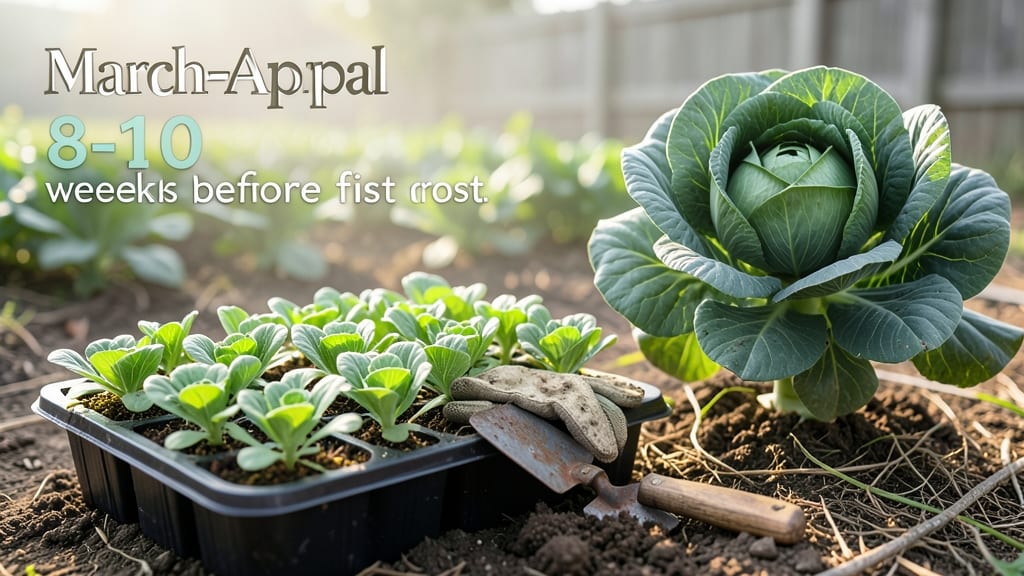
Timing your 🥬 cabbage planting in Maryland wrong can mean the difference between a bountiful harvest and wasted effort. Too early, and frost will damage tender seedlings; too late, and your plants might bolt before forming heads.
Maryland’s 7a-7b climate gives you two prime windows—early spring and late summer—but getting the exact dates right is everything.
Most gardeners in Maryland focus on March-April for spring planting, but your county’s last frost date (around March 15) can shift that window by weeks. The key is planting 4-6 weeks before the last frost, giving your cabbage enough time to mature before summer heat sets in.
For fall crops, aim for July-August to harvest before the first frost in November.
Why does this matter? Because cabbage thrives in cool weather—50-75°F is ideal—and Maryland’s summers can push it into bolting mode. The right timing ensures you avoid that bitter disappointment of watching your plants flower instead of forming the crisp heads you planted for.
In this guide, I’ll break down the exact frost-free planting timeline by county, plus pro tips to extend your harvest season. Whether you’re a first-time gardener or a seasoned pro, these strategies will help you grow bolt-resistant cabbage all season long.
Maryland cabbage planting calendar by county: avoid bolting with frost-free deadlines
Maryland’s diverse microclimates mean your cabbage planting dates should vary by county—even just 30 miles apart can shift your ideal window by weeks.
The last frost date (typically March 15) and first frost (around November 15) create two critical windows: early spring for spring harvests and late summer for fall crops.
For spring cabbage, plant 4-6 weeks before your county’s last frost. In Baltimore County, that’s mid-to-late February, while Western Maryland (e.g., Frederick County) can wait until early March. The goal? Seedlings should be 4-6 inches tall before frost hits.
Fall planting is trickier—aim for July-August to harvest before frost. Eastern Shore counties like Talbot can push into early September, but Montgomery County should finish by mid-August. Soil temps must stay below 80°F to prevent bolting.
Here’s the breakdown by region, including county-specific deadlines and harvest windows to avoid wasting your effort:
| Region | Last Frost Date | Spring Planting Window | Fall Planting Window | Harvest Window |
|---|---|---|---|---|
| Eastern Shore (Talbot, Dorchester) | March 10 | Late Feb - Early Mar | Early July - Early Sep | May-June & Sep-Oct |
| Baltimore Metro (Baltimore, Anne Arundel) | March 15 | Mid-Feb - Late Feb | Mid-July - Mid-Aug | May-June & Sep-Oct |
| Western MD (Frederick, Carroll) | March 20 | Early Mar - Mid-Mar | Late July - Early Aug | June-July & Sep-Oct |
| Southern MD (Charles, St. Mary’s) | March 5 | Late Jan - Early Feb | June - Late Aug | April-May & Aug-Oct |
Notice how Southern Maryland can plant earlier in spring and later in fall? That’s because milder winters and coastal influence delay frost. Meanwhile, Western Maryland has a tighter window—don’t miss it!
Pro tip: Use row covers to extend your spring window by 2-3 weeks if frost threatens. For fall, shade cloth (30-50%) can protect seedlings from late-summer heat while keeping soil temps cool.
Miss the window? No problem. Succession planting every 2 weeks in spring (or every 3 weeks in fall) ensures a steady supply. Just mark your calendar for July 1—that’s your last chance to start fall cabbage in most counties.
Bolting is the biggest risk if you plant too late. Cabbage detects long days and heat, triggering flower production instead of head formation. To prevent this, choose bolt-resistant varieties like ‘Golden Acre’ or ‘Tendercrisp’ and keep soil moist during hot spells.
🌱
How to extend Maryland cabbage season: fall planting tips for zero bolt risk
Fall cabbage in Maryland is a gardener’s secret weapon—harvest crisp heads just as summer heat fades, avoiding the bolting risk that plagues spring plantings. The trick?
Start seeds indoors 8-10 weeks before your county’s first frost (typically late July for Baltimore, early August for western Maryland) and transplant when soil temps dip below 80°F. This timing ensures heads form before cold snaps, while still benefiting from Maryland’s long growing season.
Why does this work? Cabbage thrives in 50-75°F soil temps, and Maryland’s fall weather delivers perfect conditions. By late August, daytime highs drop to the mid-80s°F, giving your plants the cool relief they crave.
The key is succession planting—stagger transplants every 2 weeks from July through August for a continuous harvest through October-November.
🚨 NON-NEGOTIABLE: Test soil temps before planting—use a soil thermometer to confirm 70°F or lower. Hotter soils trigger bolting faster than any other factor. If temps stay above 85°F, delay planting until September and choose heat-tolerant varieties like ‘Golden Acre’ or ‘Tendercrisp’.
- 📅 Start seeds indoors 8-10 weeks before first frost (late July).
- 🌡️ Transplant when soil temps drop below 80°F (use thermometer!).
- 🌱 Space plants 18-24 inches apart for airflow (prevents rot).
- 💧 Water deeply in mornings—keep soil consistently moist but not soggy.
- 🍂 Harvest before hard frost (use row covers to extend season).
For western Maryland counties like Frederick or Garrett, where frosts arrive earlier, focus on early July transplants of fast-maturing varieties like ‘Early Jersey Wakefield’ (ready in 50 days).
In eastern Maryland, where mild winters delay frosts, you can push fall plantings into early September for a late harvest—just use row covers to protect from light frosts.
Pro tip: Add 2-3 inches of compost to planting holes before transplanting. This boosts soil fertility and helps cabbage recover from transplant shock, which is critical in Maryland’s humid summers. Mulch with straw to retain moisture and suppress weeds, saving you hours of maintenance.
Don’t forget to thin seedlings to 12-18 inches apart—crowded plants compete for nutrients and are more prone to disease. If you’re short on space, try container growing with dwarf varieties like ‘Miniature Peanut’ in 5-gallon pots.
With these strategies, you’ll enjoy crisp, homegrown cabbage long after your spring crop bolts in the heat.