
Plants
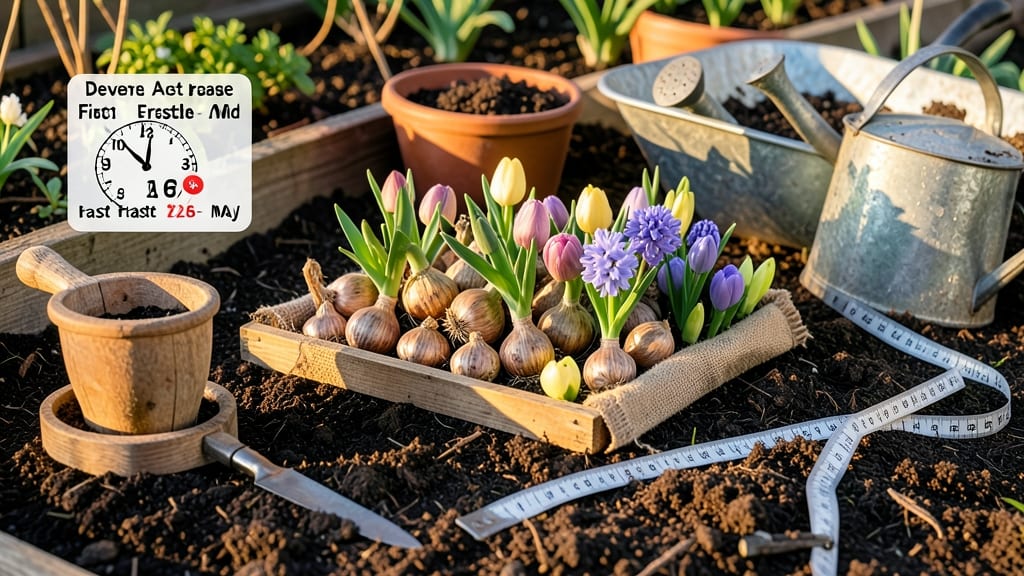
Timing your bulbs (general) 🌷 planting in Denver isn’t just about the calendar—it’s about beating the 5,280-foot frost that can turn your spring dreams into a frozen mess.
Whether you’re planting daffodils in your front yard or alliums on a high-altitude balcony, getting it right means vibrant blooms by April instead of wilted disappointment.
Here’s the secret: Denver’s elevation creates two distinct planting zones, and missing the window by even a week can mean bulbs rotting in soggy soil or freezing before they root.
I’ve dug into local frost data and talked to gardeners who’ve mastered this—so you don’t have to learn the hard way.
In this guide, I’ll break down the exact fall and spring deadlines for your elevation, plus how to adjust for Denver’s sneaky microclimates. No more guessing—just a foolproof plan to get those 🌷 bulbs in the ground at the perfect moment.
Ready to skip the trial-and-error? Let’s get those bulbs planted with confidence—before the next frost sneaks in.
Denver’s elevation-based bulb planting deadlines by month
Denver’s 5,280–7,000 ft elevation range creates dramatic shifts in frost timing. Lower elevations near Union Station (5,280 ft) have earlier frost dates than high-altitude areas like Golden (6,000 ft) or Evergreen (7,000 ft).
For tulips and daffodils, this means a 2–3 week difference in planting windows. Always check NOAA’s Denver frost data for your exact neighborhood.
Fall planting is critical—6–8 weeks before your area’s first frost gives bulbs time to root before winter. In Denver, this typically means mid-September to early October for most zones.
Spring planting is riskier but possible if you wait until after the last frost (mid-May). Never plant bulbs in freezing soil—they’ll rot instead of root.
Here’s how to adjust your timeline based on elevation:
🌷 Denver Bulb Planting Deadlines by Elevation
| Elevation Zone | First Frost Date | Fall Planting Window | Spring Planting Window | Key Bulbs to Plant |
|---|---|---|---|---|
| 5,280–5,500 ft (Downtown, LoDo) | October 20–25 | September 15–October 5 | April 20–May 10 | Tulips, Daffodils, Hyacinths |
| 5,500–6,000 ft (Capitol Hill, Wash Park) | October 15–20 | September 10–October 1 | April 15–May 5 | Alliums, Crocus, Snowdrops |
| 6,000–6,500 ft (Golden, Lakewood) | October 10–15 | August 30–September 25 | April 10–April 25 | Fritillaria, Grape Hyacinths |
| 6,500–7,000 ft (Evergreen, Genesee) | October 5–10 | August 20–September 20 | April 5–April 20 | Siberian Squill, Starflower |
Note: Use a soil thermometer (60°F minimum) to confirm readiness. Higher elevations need earlier planting due to cooler soil temps.
For container gardening, plant bulbs 2–3 weeks earlier than in-ground deadlines. Pots cool faster and are more exposed to wind chill. Use black plastic pots to absorb sunlight and extend the growing season by 1–2 weeks.
If you’re unsure about your elevation’s frost date, err on the earlier side—bulbs can wait in storage but won’t survive frost after planting.
Denver’s urban heat islands (like downtown) can delay first frost by 5–7 days, while windy suburbs (e.g., Arvada) may experience frost 1–2 weeks earlier. Monitor local Denver Botanic Gardens alerts or use a frost calendar app like FrostWatch for real-time updates.
Pro tip: Plant crocus in late summer—they’re frost-hardy and bloom early, signaling when it’s safe to plant other bulbs.
Spring planting is a gamble unless you’re in a microclimate pocket. Even then, use frost blankets for the first 2–3 weeks after planting. Daffodils and alliums are the most frost-tolerant spring-planted bulbs, while tulips need consistent warmth to thrive.
If you miss fall planting, opt for potted bulbs you can move indoors during cold snaps.
Soil temperature is more critical than air temperature. Aim for 60°F soil at 4 inches deep before planting. Use a soil warming mat in containers if your yard stays below 55°F.
In high-altitude areas, mulch heavily (4–6 inches of straw) to insulate bulbs from freeze-thaw cycles. This is especially important for hyacinths, which struggle with soil heaving in Denver’s clay-heavy soils.
Denver’s variable weather means even the best-laid plans can go awry. If you plant in late October, cover bulbs with straw or leaves until snowfall. For early spring plantings, use row covers until May 15.
Remember: Bulbs need time to root, not just survive frost. A well-rooted bulb will bloom 2–3 weeks earlier than one planted late.
Test your soil’s drainage before planting—waterlogged bulbs rot. Denver’s clay soil can trap moisture, so amend with
How Denver’s microclimates affect bulb success (and what to do)
Denver’s diverse landscapes—from sunbaked urban pockets to wind-swept foothills—create microclimates that can shift your bulb’s success by weeks.
A south-facing yard in Capitol Hill might warm up 2 weeks earlier than a north-facing balcony in Five Points, while elevation gains above 6,500 ft can delay spring blooms by 3–4 weeks compared to downtown.
Even within the same neighborhood, concrete heat islands trap warmth, letting you plant tulips in late October where cooler microclimates freeze them by November. Conversely, high-altitude suburbs like Genesee Park (6,500+ ft) need bulbs in the ground by mid-September to avoid frost damage.
🌱 Key microclimate factors to watch:
- Urban heat islands (pavement, buildings) → Plant 2 weeks later than rural areas
- Wind exposure (mountain slopes) → Use windbreaks or plant deeper
- Soil temperature (shady spots) → Test with a soil thermometer (aim for 50–60°F)
- Elevation shifts (every 1,000 ft up = 3–5°F cooler)
⚠️ Microclimate Mistake to Avoid
Planting daffodils in late November in a windy, high-exposure yard risks frost heave—even if your neighbor’s sheltered garden thrives. Solution: Add 2–3 inches of mulch or plant near a fence/wall to break wind.
For balcony gardens, container bulbs need extra insulation.
Use black plastic pots (absorb heat) and move them to south-facing spots during the day, then insulate with bubble wrap at night. Spring-planted bulbs (like gladiolus) can go in after May 15, but only if your microclimate’s last frost is confirmed passed.
Pro tip: Group early bloomers (crocus, snowdrops) near heat-retaining walls and late bloomers (tulips, hyacinths) in cooler, shadier areas. This staggered approach extends your bloom season by 4–6 weeks—perfect for Denver’s short growing window.
🌿 **Quick microclimate