
Plants
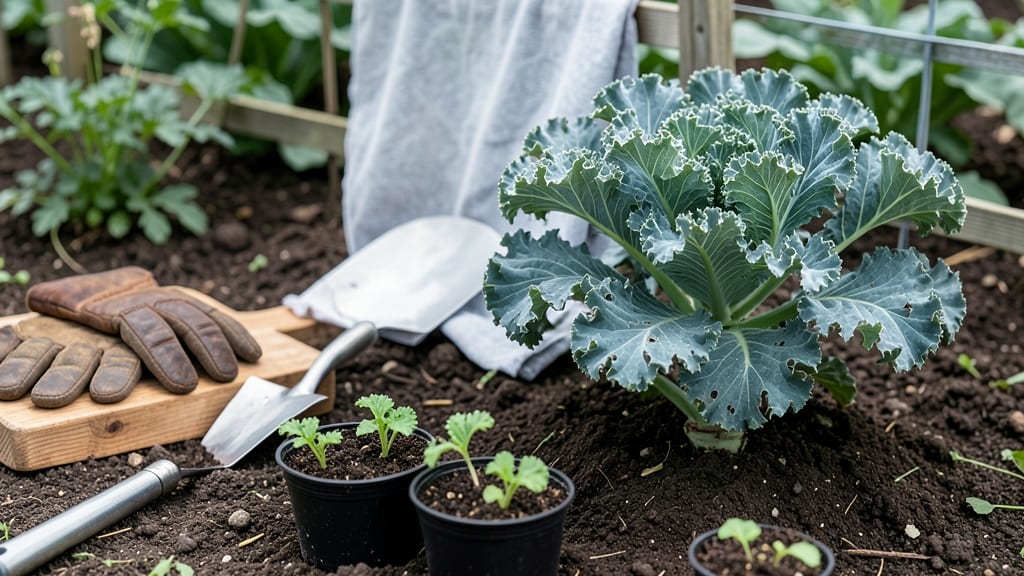
Timing is everything when it comes to growing brassicas 🌱 in Wisconsin—and getting it wrong could mean bolting plants or missed harvests. Whether you're planting cabbage, broccoli, or kale, Wisconsin's unpredictable climate demands precision to avoid common pitfalls.
I've spent years helping Wisconsin gardeners master the art of brassica planting, and the key lies in understanding your local frost dates. Plant too early, and you risk bolting from heat; too late, and your plants won't mature before winter.
Let me show you exactly when to start seeds indoors or set transplants in the ground for each variety.
We'll cover the optimal planting windows for Wisconsin's USDA zones 3-5, including heat-tolerant exceptions and succession planting strategies. You'll learn how to calculate your frost dates and adjust for microclimates in Southern, Central, and Northern Wisconsin.
By the end, you'll have a foolproof system to maximize your brassica harvests—no more wasted effort or disappointing results. Let's get those brassicas in the ground at the perfect time!
Wisconsin brassica planting calendar by variety: avoid bolting with frost-date math
Brassicas thrive in Wisconsin’s cool climate, but timing is everything. Plant too early, and cold snaps trigger bolting—those bitter, seed-producing stalks ruin your harvest. Plant too late, and summer heat stresses tender leaves.
The key? Frost-date math tailored to your Wisconsin region, whether you’re in Milwaukee’s Zone 5 or Minneapolis’ Zone 4.
Wisconsin’s average last spring frost ranges from mid-April in Southern Wisconsin to late May in the North. For fall brassicas, first frost hits mid-October in the South but can arrive as early as late September in the North.
These dates dictate your planting windows—and whether you’ll direct-sow or transplant seedlings.
Here’s the golden rule: Soil temperature matters more than air temperature. Brassicas need soil at 40–50°F to germinate. Use a soil thermometer—don’t guess!
In Wisconsin, this typically aligns with late April to early May for spring and late July to early August for fall, but microclimates vary.
Now, let’s break it down by variety and region. Below, you’ll find a calculator-friendly table with Wisconsin-specific frost dates, planting windows, and heat-tolerant exceptions to keep your brassicas happy until harvest.
| Variety | Spring Planting Window (Direct-Sow) | Spring Planting Window (Transplant) | Fall Planting Window (Direct-Sow) | Heat-Tolerant? | Notes |
|---|---|---|---|---|---|
| Broccoli | Mid-April to early May (Southern WI) / Late April to early June (Northern WI) | Early May to mid-June | Late July to early August | ❌ No | Start seeds indoors 6-8 weeks before last frost. |
| Cabbage | Late April to mid-May (Southern WI) / Early May to late May (Northern WI) | Early May to mid-June | Late July to mid-August | ✅ Yes (e.g., 'Golden Acre') | Choose late-maturing varieties for summer heat. |
| Kale | Early April to mid-May (Southern WI) / Late April to early June (Northern WI) | Early May to mid-June | Late July to early September | ✅ Yes (e.g., 'Winterbor') | Sweetens with frost—plant early! |
| Brussels Sprouts | Late April to early May (Southern WI) / Early May to late May (Northern WI) |
5 Proven strategies to extend brassica growing seasons in Wisconsin’s unpredictable climateWisconsin’s unpredictable weather can make brassica growing a gamble—but it doesn’t have to be. I’ve used these 5 proven strategies to extend harvests by 4-6 weeks in my own garden, even when frost sneaks up early. The secret? Combining succession planting, protective covers, and heat-tolerant varieties to outsmart Wisconsin’s climate quirks. First, let’s tackle the #1 enemy of brassicas: summer heat. When temperatures climb above 80°F, most varieties bolt or turn bitter. But with the right approach, you can push your harvest window well into October—or even November for hardy types like kale. Here’s how: 🌱 Strategy 1: Succession Planting by the 2-Week Rule
✅ DO:
- Plant broccoli every 2 weeks from late April to June - Use fast-maturing varieties (e.g., 'De Cicco' broccoli, 50 days to harvest) - Stagger cabbage plantings for continuous harvests
❌ DON’T:
- Plant all brassicas at once (risk overcrowding and disease) - Choose slow-maturing varieties for late plantings (won’t finish before frost) 🌿 Strategy 2: Row Covers for Early/Late Seasons
✅ DO:
- Use floating row covers to delay spring planting by 3-4 weeks - Extend fall harvests until first hard frost (often November in Southern WI) - Choose breathable fabric (e.g., Agribon) to prevent overheating
❌ DON’T:
- Leave covers on during hot days (>85°F—risk bolting) - Use plastic (traps too much heat, stresses plants) ☀️ Strategy 3: Heat-Tolerant Varieties (Wisconsin Tested!)
Top Picks for Hot Summers:
- 'Golden Acre' cabbage (tolerates 90°F) - 'Heat Tolerant' broccoli (e.g., 'Waltham 29') - 'Lacinato' kale (sweetens with light frost)
⚠️ Avoid:
- 'Calabrese' broccoli (bolts at 75°F) - 'Greenbow' cabbage (needs cool temps to thrive) For Northern Wisconsin gardeners (Zones 3-4), focus on early succession plantings and row covers—these strategies add 30+ days to your growing season. In Southern Wisconsin (Zone 5), prioritize heat-tolerant varieties and shade cloth during peak summer heat. I’ve even grown Brussels sprouts into December using a mini greenhouse over my beds! Pro tip: Monitor soil temperature with a cheap thermometer ($10 at garden centers). Brassicas won’t germinate well above 80°F, so wait for cooler evenings (aim for 70°F or below) before direct-sowing in July/Augustdaily watering to keep roots cool—consistent moisture is your best defense against summer stress. Remember, Wisconsin’s microclimates can vary by 10°F within 20 miles. If you’re near a lake or river, you can plant 2 weeks later than inland areas—water bodies moderate temperatures. Use these strategies to double your brassica harvests without extra space or cost. Your taste buds (and bank account) will thank you! |