
Plants
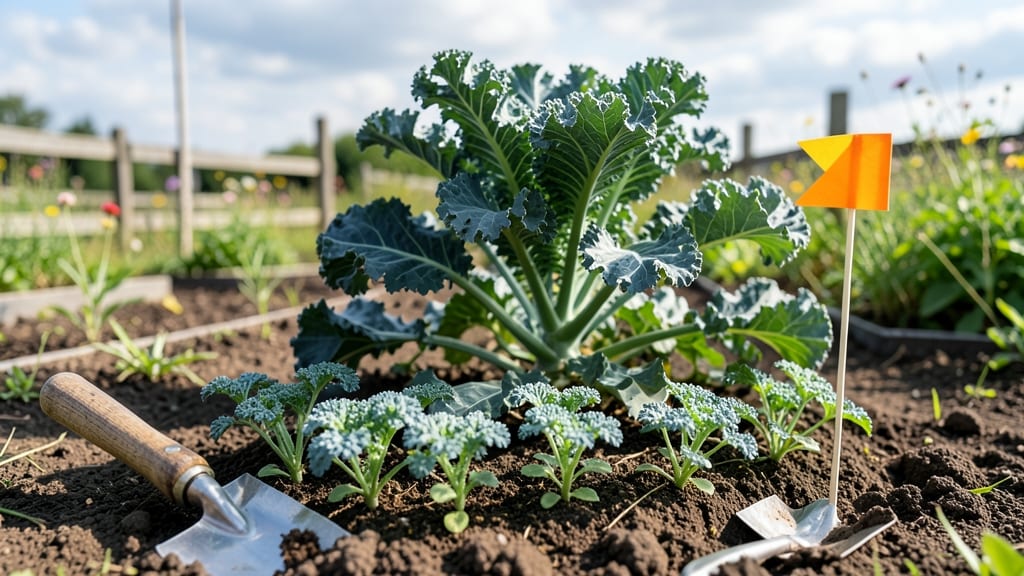
Planting brassicas in Michigan at the wrong time means watching your broccoli, kale, or cabbage bolt into bitter flowers before you even get to harvest—unless you nail the Zone 5B timing like a pro. The difference between a bountiful fall crop and a wasted spring effort often comes down to those few weeks before the last frost or after the summer heat kicks in.
I’ve grown brassicas 🥬 in Michigan’s 5b-6b climate for years, and here’s what I’ve learned: Spring plantings need to go in the ground by April 30 at the latest, while fall crops should start July 15 to avoid the heat.
Skip these windows, and you’ll either lose your plants to frost or watch them bolt in the sweltering August sun.
What if you want to squeeze in a second harvest? The secret is succession planting—staggering your sowing every 2-3 weeks to keep a steady supply. But timing is everything: Too early, and frost will nip your seedlings; too late, and your brassicas will rush to flower before they mature.
In this guide, I’ll break down the exact planting schedule for Michigan’s climate, which varieties handle our short summers best, and how to protect your crops from bolting. Let’s get those brassicas growing the right way—so you can enjoy fresh harvests from June through November.
Michigan zone 5B planting windows for brassicas: avoiding bolt risk
Michigan’s Zone 5B climate demands precision when planting brassicas like broccoli, cabbage, and kale. The key is avoiding heat-induced bolting (premature flowering) in summer and frost damage in early spring or late fall. Timing your plantings around soil temperatures and frost dates is the secret to a successful harvest.
Brassicas thrive in cool weather but struggle when temperatures climb above 75°F (24°C). In Michigan, this means focusing on spring and fall plantings while avoiding the dog days of summer.
The last frost date (typically April 15) and first frost date (around October 15) are your anchors for planning.
🌱 Did You Know? Michigan’s Upper Peninsula has a slightly shorter growing season than the Lower Peninsula, so adjust your planting windows by 1-2 weeks earlier in the north.
For spring plantings, start seeds indoors 4-6 weeks before your last frost date. Transplant seedlings outdoors when soil temperatures reach 45°F (7°C) and nighttime temps stay above 35°F (2°C). This typically aligns with late April to early May in most of Michigan.
Heat-sensitive brassicas like broccoli and cauliflower will bolt quickly if planted too early in spring or too late in summer. To extend your growing season, use shade cloth (30-50%) during peak summer heat. This simple trick can buy you 2-4 extra weeks of viable growth before bolting.
Fall plantings are your best bet for late-season harvests. Begin sowing seeds outdoors 8-10 weeks before the first frost date (usually late July to early August).
Choose late-maturing varieties like 'Winterbor' kale or 'January King' cabbage, which tolerate light frosts and even improve in flavor after a light freeze.
Pro tip: Succession plant brassicas every 2-3 weeks from spring through early summer. This staggered approach ensures a continuous harvest and reduces the risk of bolting from heat stress on a single large planting.
Always monitor soil moisture during critical growth stages. Brassicas need consistent watering to prevent stress, which can trigger bolting. Use drip irrigation or soaker hoses to keep roots evenly moist without wetting the foliage (which promotes disease).
🌿 Key Takeaway: Michigan gardeners should prioritize two planting windows: early spring (March-April) for cold-hardy varieties and mid-summer (July-August) for fall harvests. Adjust for your specific microclimate—southern Michigan can push windows 1-2 weeks later than the Upper Peninsula.
How to extend brassica growing seasons in Michigan’s short summers
Michigan’s short growing season (just 120-160 frost-free days) can make brassicas bolt before harvest. The key? Extend your season with smart strategies like row covers and succession planting. I’ll show you how to push harvests into fall or start earlier in spring—without risking frost damage or heat stress.
For spring brassicas, start seeds indoors 4-6 weeks before your last frost date (typically March 15-April 1 in Zone 5B).
Transplant outdoors 2-3 weeks before the last frost to give them a head start. Hardy varieties like kale can even handle light frosts, so don’t rush to harvest them early!
Fall brassicas are your best bet for late harvests. Plant seeds July 15-August 15 (8-10 weeks before first frost) for a September-November harvest. Use shade cloth in late summer to protect heat-sensitive varieties like broccoli from bolting when temps hit 80°F+.
5 Proven Ways to Extend Your Brassica Season
- 🌱 Row Covers: Use lightweight fabric to protect seedlings from early spring frosts or late summer heat. Remove during pollination to avoid pest issues.
- ✂️ Succession Planting: Sow new seeds every 2 weeks in spring/fall for a staggered harvest. Works best with fast-maturing varieties like bok choy (30-40 days).
- 🌡️ Monitor Soil Temps: Brassicas thrive in 50-75°F soil. Use a soil thermometer—wait to plant until temps hit 40°F+ in spring or below 80°F in fall.
- ☀️ Shade Cloth: Deploy 30-50% shade in July-August to keep broccoli/cabbage from bolting. Remove by late August to harden off plants for frost.
- 📋 Fall Prep