
Plants
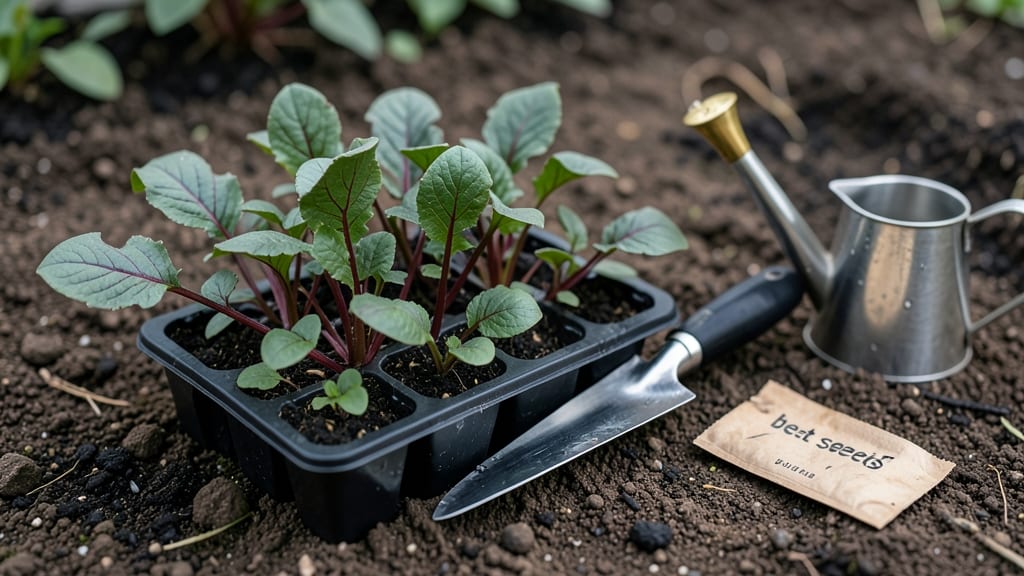
Timing your beet 🍠 planting in South Carolina can mean the difference between a thriving harvest and bolted greens—especially in our 7b-8a zones where heat and humidity play tricks on gardeners.
If you’ve ever watched your beets send up flower stalks before forming roots, you know how critical the right window is.
Most gardeners in South Carolina’s Coastal & Piedmont regions plant beets in February-March or August-September, but those dates aren’t one-size-fits-all. The key is avoiding soil temps above 80°F, which sends beets into bolting mode faster than you can say “summer salad.”
I’ve tested this myself—skipping the early spring window led to stunted growth, while late summer plantings thrived with consistent moisture. The secret? Planting when daytime highs stay below 85°F and nights dip below 70°F, giving roots time to bulk up before the heat sets in.
Ready to nail your beet harvest? Let’s break down the exact frost-free windows, soil prep tips, and variety choices that work for SC’s climate—no guesswork, just consistent results from your garden to the table.
South Carolina beet planting calendar: best months by region
South Carolina’s diverse microclimates mean your beet planting schedule should vary slightly between Upstate, Midlands, and Coastal areas. The key is planting when soil temps hit 40-50°F and avoiding summer heat stress that triggers bolting.
Let’s break down the optimal frost-free windows by region to ensure your beets thrive year-round.
For Upstate SC (USDA Zones 7a-7b), the first frost typically arrives in mid-November, while the last frost lingers until mid-April. This gives you a longer growing window for both spring and fall plantings.
Coastal areas (Zones 8a-8b) enjoy warmer winters with first frosts in late November and last frosts by early March, allowing for earlier starts.
| Region | Spring Planting Window | Fall Planting Window | Soil Temp Threshold | Key Varieties |
|---|---|---|---|---|
| Upstate (Greenville, Spartanburg) | February 15 - March 31 | August 1 - September 15 | 45-50°F | Detroit Dark Red, Boltardy |
| Midlands (Columbia, Rock Hill) | February 1 - April 15 | July 15 - September 30 | 40-45°F | Chioggia, Golden |
| Coastal (Charleston, Myrtle Beach) | January 15 - March 15 | July 1 - October 1 | 50-55°F | Cylindra, Ruby Queen |
Spring is the prime time for beet planting in SC, but don’t overlook fall plantings—they often yield sweeter roots. Coastal gardeners can even enjoy year-round harvests with staggered plantings.
Always test your soil before planting; beets prefer loamy, well-draining soil with a pH of 6.0-7.0. Amend heavy clay soils with compost to improve drainage.
If you’re tempted to plant in late summer, opt for heat-tolerant varieties like Boltardy and provide afternoon shade to prevent bolting. Mulch heavily with straw to retain moisture and regulate soil temperature during SC’s humid summers. This simple step can extend your harvest window by 3-4 weeks.
For succession planting, sow seeds every 2-3 weeks from February through April and again from July through August. This ensures a continuous supply of fresh beets without overcrowding. Thin seedlings to 3-4 inches apart once they develop 2-3 true leaves—this prevents competition and encourages larger roots.
Remember, soil temperature is more critical than air temperature for beet germination. Use a soil thermometer to confirm temps are consistently above 40°F before planting. In cooler regions like the Upstate, consider using black plastic mulch to warm the soil faster and jumpstart your spring crop.
Pro tip: Direct sow seeds rather than transplanting seedlings, as beets hate root disturbance. Plant seeds ½ inch deep and 1-2 inches apart in rows spaced 12-18 inches apart. This spacing gives roots room to grow without competing for nutrients.
Finally, keep an eye on rainfall patterns. SC’s summer downpours can lead to waterlogged soil, which causes beets to split or rot. If heavy rains are forecasted, create raised beds or install drip irrigation to maintain consistent moisture without overwatering.
With these region-specific guidelines, you’ll avoid the most common beet-growing mistakes in SC and enjoy a bountiful harvest from spring through fall. Happy planting! 🌱
How to avoid common beet planting mistakes in SC’s climate
South Carolina’s humid summers and occasional late frosts create unique challenges for beet growers. One wrong move—like planting too late in spring or skipping soil prep—and you’ll end up with bolted greens instead of plump roots.
I’ve seen gardeners in Charleston lose entire crops to overwatering or Upstate growers struggle with poor drainage after heavy rains.
The most critical mistake? Ignoring soil temperature. Beets won’t germinate in cold soil, but they’ll bolt prematurely if planted when daytime temps exceed 80°F. Always check soil temps with a thermometer—aim for 40-70°F for ideal germination and growth.
🚨 WARNING: Overcrowding is another silent killer. Planting seeds too close together leads to stunted roots and pale greens. Thin seedlings to 3-4 inches apart once they reach 2-3 true leaves—this gives roots room to expand without competing for nutrients.
🚨 Critical Mistakes & Fixes
❌ Mistake: Planting in hot summer months (June-August) without shade.
✅ Fix: Use row covers or afternoon shade cloth to keep soil temps below 80°F.
❌ Mistake: Skipping soil amendments in heavy clay or sandy soil.
✅ Fix: Mix in compost or aged manure to improve drainage and fertility.
❌ Mistake: Letting soil dry out between waterings.
✅ Fix: Water deeply 2-3 times per week (1-2 inches total) and mulch with straw.
❌ Mistake: Harvesting when roots are too small or too large.
✅ Fix: Pull beets when they’re 1-3 inches wide—smaller roots are tender, but oversized ones get woody.
Another pitfall? Poor drainage from SC’s summer storms. Waterlogged soil causes beets to split or rot. If your garden sits in a low spot, create raised beds with a mix of 50% soil, 30% compost, and 20% perlite. This improves airflow while retaining moisture.
For fall plantings, don’t rush—wait until mid-August in the Upstate or early July along the coast. Planting too early means dealing with heat stress before cooler weather arrives. Use heat-tolerant varieties like Boltardy and mulch heavily to regulate soil temps.
Finally, watch for pests like leafminers or aphids. Aphids love beet greens, but a soapy water spray (1 tsp mild soap per quart of water) keeps them at bay. Rotate crops yearly to prevent soil-borne diseases like beet curly top virus, which thrives in SC’s warm climate.
By avoiding these common mistakes, you’ll enjoy sweet, plump beets from spring through fall—no bolting or disappointment in sight! 🌱