
Companion Plants
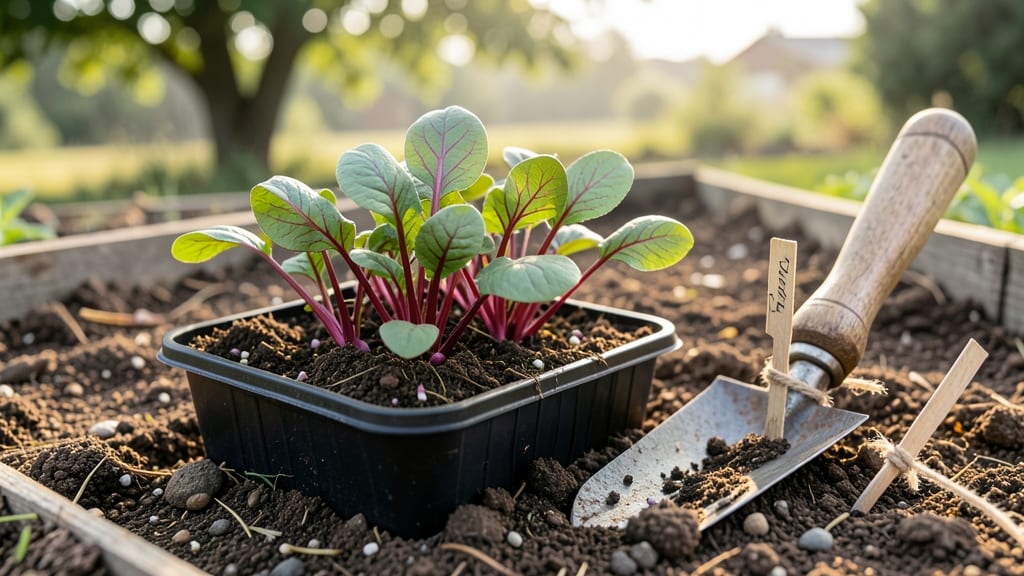
Timing your beet 🍠 planting just right in Zone 7 makes all the difference between sweet, tender roots and bitter, tough failures. Plant too early, and you risk frost damage; too late, and summer heat sends them bolting.
The key window? March through April for spring and August through September for fall—when soil temps hit 40°F-75°F and frost-free days stretch ahead.
I’ve grown beets in Zone 7 for years, and here’s what I’ve learned: fast growth depends on getting the timing right.
Whether you’re a first-time gardener or a seasoned pro, knowing when to sow seeds—plus how to prep your soil and avoid common pitfalls—will give you a bountiful harvest from June to November. Let’s break down the exact steps to maximize your yield.
Most gardeners miss the two best planting windows in Zone 7, but it’s not just about dates—it’s about soil temperature and frost patterns. I’ll show you how to read your local microclimate, adjust for late frosts, and even extend your harvest with succession planting.
No more guessing games—just reliable, delicious beets all season long.
Ready to skip the trial-and-error? You’ll discover the ideal soil prep, how to spot early signs of bolting, and which companion plants keep pests at bay. By the end, you’ll have a clear, actionable plan to grow beets like a pro—no matter what Zone 7 throws your way.
Optimal planting times for beets in Zone 7 based on soil temperature
In Zone 7, beets love cool weather and struggle when temperatures climb above 75°F. The sweetest, most tender beets grow when planted during two key windows: early spring and late summer.
Timing is everything—plant too early, and frost will damage seedlings; too late, and your beets turn woody or bolt. Let’s break down the perfect frost-free window and soil temperature thresholds to ensure a bountiful harvest.
The ideal planting window in Zone 7 starts when soil temperatures reach 40°F and daytime highs stay below 75°F. This typically aligns with mid-March to early April for spring plantings and mid-August to early September for fall plantings.
Use a soil thermometer to confirm—beets won’t germinate well in cold soil, and heat stress can ruin your crop.
🌱 Beet Planting Timeline for Zone 7
| Season | Planting Window | Soil Temp (°F) | Daytime High (°F) | Frost Risk |
|---|---|---|---|---|
| Spring | Mid-March to Early April | 40–50°F | 50–65°F | Low (after last frost) |
| Fall | Mid-August to Early September | 60–70°F | 70–80°F | None (harvest before frost) |
| Summer (Risky) | June–July | 75°F+ | 90°F+ | High (bolting risk) |
💡 Pro Tip: For summer plantings, choose heat-tolerant varieties like 'Detroit Dark Red' or 'Chioggia' and provide afternoon shade to prevent bolting.
Zone 7’s last average frost date is around March 15, but microclimates can shift this by a week or two. To play it safe, wait until 2 weeks after your last frost before planting.
Check your local USDA Plant Hardiness Zone Map for precise dates—some areas in Zone 7 (like the Piedmont) warm up faster than coastal regions.
For fall plantings, aim to harvest before the first frost (November 15). Beets stored in the ground with mulch can tolerate light frosts, but they’ll turn woody if exposed to hard freezes.
Start seeds 8–10 weeks before your first frost to ensure a timely harvest—most varieties mature in 50–60 days.
If you’re eager to plant earlier, use row covers or a cold frame to protect seedlings from late frosts. These tools can extend your growing season by 2–3 weeks in spring and 4–6 weeks in fall. Just remove covers when temperatures rise above 70°F to avoid overheating the soil.
Another trick for Zone 7 gardeners: Plant a small test batch in late February under row covers. If the soil stays above 40°F and seedlings emerge, you can safely expand your planting. If not, wait until early March. This trial-and-error method helps you fine-tune your schedule year after year.
Soil preparation is just as critical as timing. Beets thrive in loamy, well-draining soil with a pH of 6.0–7.0. Work in 2–3 inches of compost before planting to improve fertility and moisture retention. Avoid fresh manure—it can cause bolting (premature flowering) and bitter roots.
Finally, keep an eye on weather forecasts in the days leading up to planting. If a heatwave is predicted, delay planting until temperatures drop. Beets are cool-season crops, and heat stress will turn your sweet harvests into tough, fibrous messes.
With the right timing and care, you’ll enjoy crisp, tender beets from spring through fall in Zone 7!
How to extend your beet harvest season in Zone 7 using succession planting
Succession planting is my secret weapon for continuous beet harvests in Zone 7. Instead of one big planting, I spread out seeds in 3–4 waves every 2–3 weeks. This ensures fresh beets from June through November, even when summer heat threatens.
The trick? Stagger plantings during both spring and fall windows while using heat-tolerant varieties and shade strategies for summer.
Start your first planting in early March (after frost risk passes), then follow up with 3 more plantings every 2 weeks. For fall, begin in mid-August and add 2 more batches spaced 3 weeks apart.
This schedule keeps roots maturing at different rates, so you’re always harvesting something. I’ve even seen gardeners in hotter microclimates pull off late-summer plantings by using shade cloth!
🌱 Zone 7 Succession Planting Schedule
- 📅 March 1–15: First planting (soil 40–50°F)
- 📅 March 25–April 5: Second planting (thin seedlings)
- 📅 April 15–25: Third planting (harvest by June)
- 📅 August 15–25: Fall starter (soil 60–70°F)
- 📅 September 5–15: Final fall batch (harvest by Nov)
✅ Pro Tip: Use 'Early Wonder' for spring and 'Ruby Queen' for fall—they mature in 50–55 days!
For summer plantings (June–July), choose heat-resistant varieties like 'Detroit Dark Red' or 'Chioggia'. These handle 80°F+ temps better than standard types. Pair them with afternoon shade (use a 30% shade cloth) to prevent bolting.
I’ve had success with drip irrigation too—it keeps soil moisture steady without overheating the leaves.
Another trick? Interplant with fast growers. Sow radishes or lettuce between beet rows—they mature quickly and mark where to plant your next beet batch. This space-saving hack lets you fit more crops into small gardens.
Just remove the radishes once beets sprout, and you’re left with perfect spacing for your root veggies.
Watch for bolting signs (long stems, yellowing leaves) in summer plantings. If you see this, harvest immediately or pull the plants—they’ll go to seed fast. For fall extensions, add 2–3 inches of straw mulch in October to insulate roots.
Beets stored this way can survive light frosts (down to 20°F) and keep growing until hard freezes hit.
Finally, keep a harvest journal to track which plantings worked best in your microclimate. Note when you started seeds, how long they took to mature, and any pests or weather issues.
Over time, you’ll refine your schedule to match your Zone 7 garden’s unique conditions. With succession planting, you’ll never run out of fresh beets—just crisp, homegrown goodness all season long!