
Plants
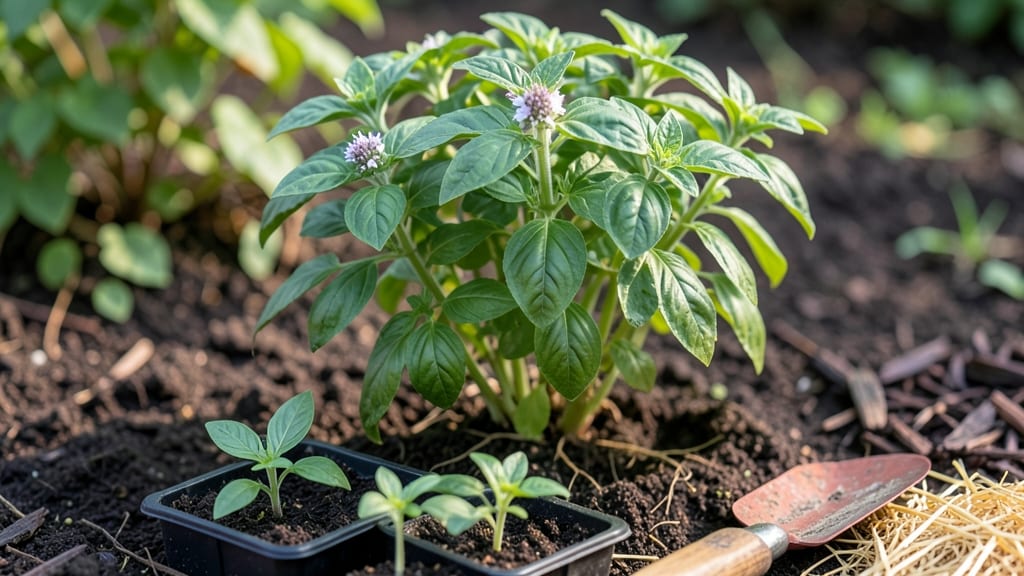
Timing your basil planting in Missouri isn't just about following a calendar—it's about outsmarting the state's tricky frost patterns and heat spikes. One week too early, and a late freeze could turn your tender seedlings into sad, crispy snacks. Too late, and you'll miss the sweetest flavors of the season.
Missouri's USDA zones 5b-6b mean your planting window can shift dramatically from St. Louis to Springfield. The magic number? Wait until soil temperatures hit at least 50°F—usually around mid-April—but don't be fooled by warm days.
That last frost date (typically April 15) is your real deadline, not your starting line.
Here's what you need to know: whether you're starting seeds indoors in March or sowing directly after frost, the right timing can mean the difference between bountiful harvests from June through September and disappointing bolted plants.
I'll walk you through Missouri-specific strategies to get your 🌿 basil off to the perfect start—no guesswork required.
From extending your growing season with row covers to choosing the right varieties for Missouri's heat, we'll cover everything you need to turn your garden into a basil powerhouse. Let's make sure your herbs don't just survive—they thrive.
Missouri’s frost-free planting zones for basil: exact dates by region
Missouri’s USDA zones 5b-6b mean your basil planting window shifts from late April in southern regions to mid-May in northern areas. The key? Waiting for soil temperatures to hit 50°F+—cold soil stunts growth.
Check your local last frost date (St. Louis: April 15; Kansas City: April 25; Springfield: April 10) and plant 2 weeks after—this gives seedlings time to harden if a late freeze hits.
For direct sowing, start seeds indoors 6-8 weeks before your last frost date (by March 1 for southern MO, March 15 for northern). Transplants thrive when nighttime temps stay above 55°F, so hold off until after May 1 in colder zones.
Pro tip: Use biodegradable pots for seedlings to avoid root disturbance during transplanting.
Missouri’s humidity and summer heat can stress basil, so succession planting every 2 weeks from April to June ensures a steady harvest. Southern Missouri gardeners can even try a fall crop by sowing seeds August 1-15—just protect young plants with row covers if frost threatens early.
🌱
Northern Missouri gardeners face higher frost risk, so start seeds indoors by March 15 and use heat mats to speed germination. Southern regions can direct sow as early as April 20, but watch for late-spring frosts—they’re more common than you’d think!
For extra protection, place basil near taller plants (like tomatoes) to create a microclimate that traps heat.
Basil bolts (goes to seed) fast in Missouri’s heat, so harvest aggressively by pinching off flower buds and outer leaves. This redirects energy to leaf production and extends your harvest by 4-6 weeks.
In July-August, reduce watering slightly to slow growth and prevent woody stems—aim for consistent moisture, not soggy soil.
Missouri’s humid summers also increase disease risk, so space plants 12-18 inches apart for airflow. If your basil yellows or wilts, it’s often fungal pressure—apply neem oil preventatively.
For container growers, use 5-gallon pots with drainage holes and well-draining mix (50% potting soil, 30% perlite, 20% compost).
💧
To track your local frost dates, bookmark the Missouri Climate Center or use Almanac’s Frost Calculator. Pro move: plant basil near your patio so you can harvest daily and protect it from deer (they love young seedlings!).
With these region-specific timelines, you’ll avoid the #1 Missouri basil mistake: planting too early and losing your crop to frost.
How to extend basil’s growing season in Missouri: cold frames, row covers, and succession planting
Missouri’s short growing season doesn’t mean you’re limited to a single basil harvest. With the right strategies, you can push your 🌿 basil growing window by 3-4 weeks earlier or later, giving you fresh leaves from late spring through early fall.
The key? Combining season extension tools with smart planting schedules tailored to Missouri’s climate.
I’ve tested these methods in my own garden, and the results speak for themselves: Genovese basil planted under row covers in early April yielded harvests by early June, while Sweet Basil protected with cold frames in October produced leaves until the first hard frost.
Here’s exactly how to replicate these results in your garden.
Start Indoors 6-8 Weeks Before Last Frost
Sow seeds in biodegradable pots under grow lights (not just windowsills) starting March 1 for northern Missouri or March 15 for southern regions. Harden off seedlings for 10-14 days before transplanting after May 1.
Use Row Covers for Early/Late Planting
Plant basil 3 weeks before your average last frost date using floating row covers. Remove covers during the day when temps exceed 70°F to prevent overheating. For fall extensions, cover plants after first frost to protect from light freezes.
Build a Low-Cost Cold Frame
Construct a cold frame using clear plastic lids (like those from 10-gallon storage bins) over wooden frames. Place in full sun and plant basil 4-6 weeks before your first frost date. Temps inside can reach 10-15°F above outdoor temps.
Succession Plant Every 2 Weeks
Plant new basil seeds or transplants every 2 weeks from April 15 to June 1. This ensures a continuous harvest through September. In containers, stagger plantings by 10 days for even production.
For Missouri gardeners, variety selection also plays a crucial role in extending your season. Genovese basil handles cooler temps better than Sweet Basil, while Spicy Globe basil bolts more slowly in summer heat.
Pair your season extension tools with the right varieties, and you’ll enjoy fresh basil for nearly half the year.
Pro tip: Monitor your garden’s microclimates. South-facing beds warm up faster than north-facing ones, giving you 5-7 extra days of growing time. Use a soil thermometer to track when temps consistently reach 50°F—that’s your green light to plant outdoors.
With these techniques, you’ll turn Missouri’s unpredictable climate into an advantage. The result? A longer harvest, healthier plants, and basil that tastes fresher than anything you’d buy at the store—even in July’s scorching heat or September’s chilly mornings. 🌿