
Plants
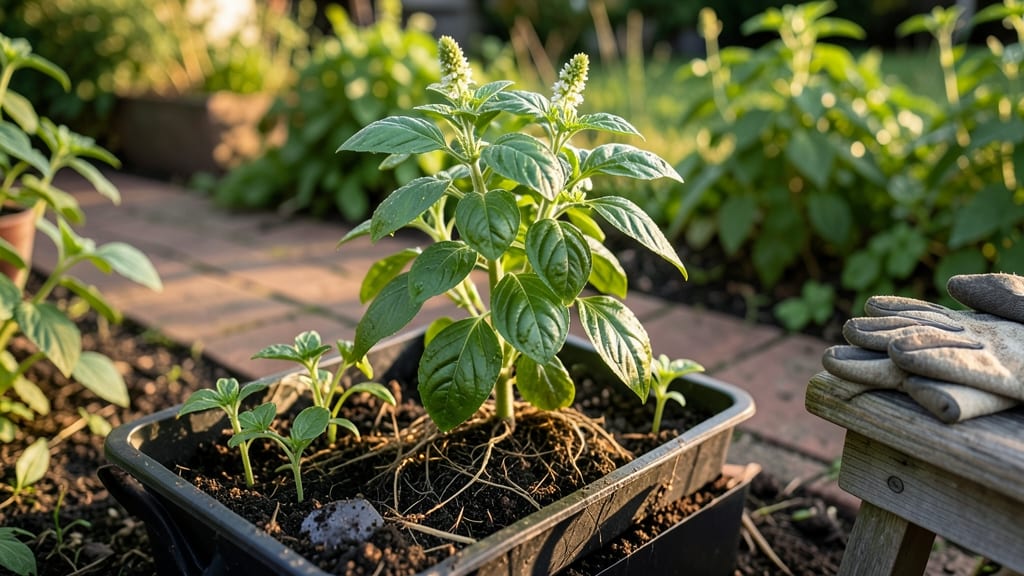
Timing your basil planting in Georgia just right means the difference between a thriving 🌿 herb garden and wasted effort. With Georgia's mild winters and long growing season, you've got two perfect chances each year to grow this aromatic staple—but one wrong move could leave your plants struggling.
Most gardeners in zones 7b-8b know spring and fall are the sweet spots, but the exact window matters. Plant too early, and a late frost will fry your seedlings. Too late, and you'll miss the prime harvest months when basil shines in your kitchen.
Let me break down the exact frost-free timeline so you can start strong and keep your plants flourishing all season.
Whether you're growing sweet basil for pesto or Thai basil for spicy dishes, the key is understanding your local microclimate. We'll cover everything from soil temperature checks to variety selection, so you can confidently plant knowing your basil will thrive from May through October.
Ready to grow basil that's bigger, healthier, and ready to harvest when you need it? Let's dive into the exact planting schedule that works for Georgia's climate—no guesswork required.
Georgia basil planting calendar by USDA zone (frost dates & best months)
Georgia’s USDA zones 7b, 8a, and 8b offer two ideal windows for planting basil: early spring and late summer. The key is avoiding frost—basil hates cold and won’t survive temperatures below 32°F.
In most of Georgia, the last frost typically occurs around March 15, while the first frost arrives in mid-November. Plan your planting around these dates to maximize your harvest.
For spring planting, aim to sow seeds or transplant seedlings 2-3 weeks after your last frost date.
This usually lands between late March and mid-April in most of Georgia. Fall planting works too—start seeds or transplant 8-10 weeks before your first frost, which means mid-August to early September for a second harvest before winter sets in.
Timing also depends on your specific Georgia zone. Northern Georgia (zone 7b) has slightly earlier frosts, while southern Georgia (zone 8b) enjoys a longer growing season. Adjust your planting window by 1-2 weeks based on your microclimate—coastal areas can plant 1-2 weeks earlier than inland regions.
Here’s a quick reference for your zone:
| USDA Zone | Last Frost Date | Best Spring Planting | Best Fall Planting | Harvest Window |
|---|---|---|---|---|
| 7b (Northern GA) | March 15 | Late March - Early April | Mid-August - Late August | May - October |
| 8a (Central GA) | March 1 | Early March - Mid-April | Late August - Early September | April - November |
| 8b (Southern GA) | February 15 | Late February - Early April | Early August - Late September | March - December |
If you’re growing Genovese basil (the classic pesto variety), plant it 2-3 weeks later than sweet basil—it’s more sensitive to heat. Thai basil, on the other hand, thrives in hotter conditions and can handle late summer plantings better.
Always check your local frost dates using resources like the Georgia Climate Project for precision.
For container gardening, you can plant basil 1-2 weeks earlier in spring or 1-2 weeks later in fall since pots warm up faster. Just ensure your containers have drainage holes to prevent root rot—a common issue in Georgia’s humid summers.
Pro tip: Use row covers if planting early spring basil to protect tender seedlings from unexpected late frosts. These lightweight fabrics trap heat and can extend your growing season by 2-3 weeks without stunting growth.
In Georgia’s humid climate, basil can also suffer from powdery mildew if planted too late in summer. To avoid this, space plants 12-18 inches apart and water at the base (never overhead) to keep foliage dry. Mulching with straw or pine needles also helps regulate soil temperature and moisture.
Don’t forget to pinch back your basil plants when they reach 6 inches tall. This encourages bushier growth and more leaves—ideal for Georgia’s long, hot summers. With the right timing, you’ll have fresh basil for pesto, salads, and teas all season long!
🌿
How to extend your basil growing season in Georgia (from seed to harvest)
Extending your basil growing season in Georgia means two harvests per year instead of one. With the right techniques, you can grow basil from early spring to late fall, even in Georgia’s humid heat.
The secret? Start indoors, use season extenders, and protect plants from late frosts and summer stress. Let’s break down how to maximize your basil’s potential.
Most gardeners in Georgia focus on spring planting, but fall basil can be just as rewarding. By starting seeds indoors 6-8 weeks before your last frost (around January 15 for spring or July 15 for fall), you’ll have sturdy seedlings ready to transplant when conditions are ideal.
This method gives your basil a head start and ensures it’s ready to thrive when moved outdoors.
For container gardening, which works especially well in Georgia’s urban areas, choose 5-gallon pots with drainage holes. Containers warm up faster than garden beds, so you can plant 1-2 weeks earlier in spring or 1-2 weeks later in fall.
Place pots in full sun and move them to partial shade during Georgia’s hottest afternoons (June-August) to prevent wilting.
Sow seeds in seedling trays under grow lights or in a sunny windowsill. Keep soil moist but not soggy and maintain 70-75°F temperatures.
Gradually expose seedlings to outdoor conditions for 2-3 hours daily. Start with morning sun and move to partial shade to avoid shock.
Choose a sunny spot with well-draining soil. Space plants 12-18 inches apart and water deeply after transplanting to reduce stress.
Protect seedlings from late frosts (below 32°F) with floating row covers. Remove covers when temps rise above 50°F to prevent overheating.
Sow new seeds every 2 weeks from March to September for a continuous harvest. This ensures fresh basil even if earlier plants bolt.
To protect your basil from Georgia’s summer heatwaves (which can cause bolting or wiltingshade cloth (30-50% coverage) during peak afternoon sun (12 PM - 4 PM).
Mulch with straw or wood chips to keep roots cool and retain moisture. In containers, move pots to shadier spots or elevate them to improve airflow.
For a second fall harvest, start seeds indoors in July and transplant outdoors by mid-August. This gives your basil enough time to mature before the first frost. In zone 8b (southern GA), you can even grow basil year-round in containers with artificial lighting during winter months.
Finally, harvest regularly to encourage bushier growth. Pinch off flower buds as soon as they appear to redirect energy to leaf production. With these techniques, you’ll enjoy fresh basil from May through October—or even longer with containers!
🌱